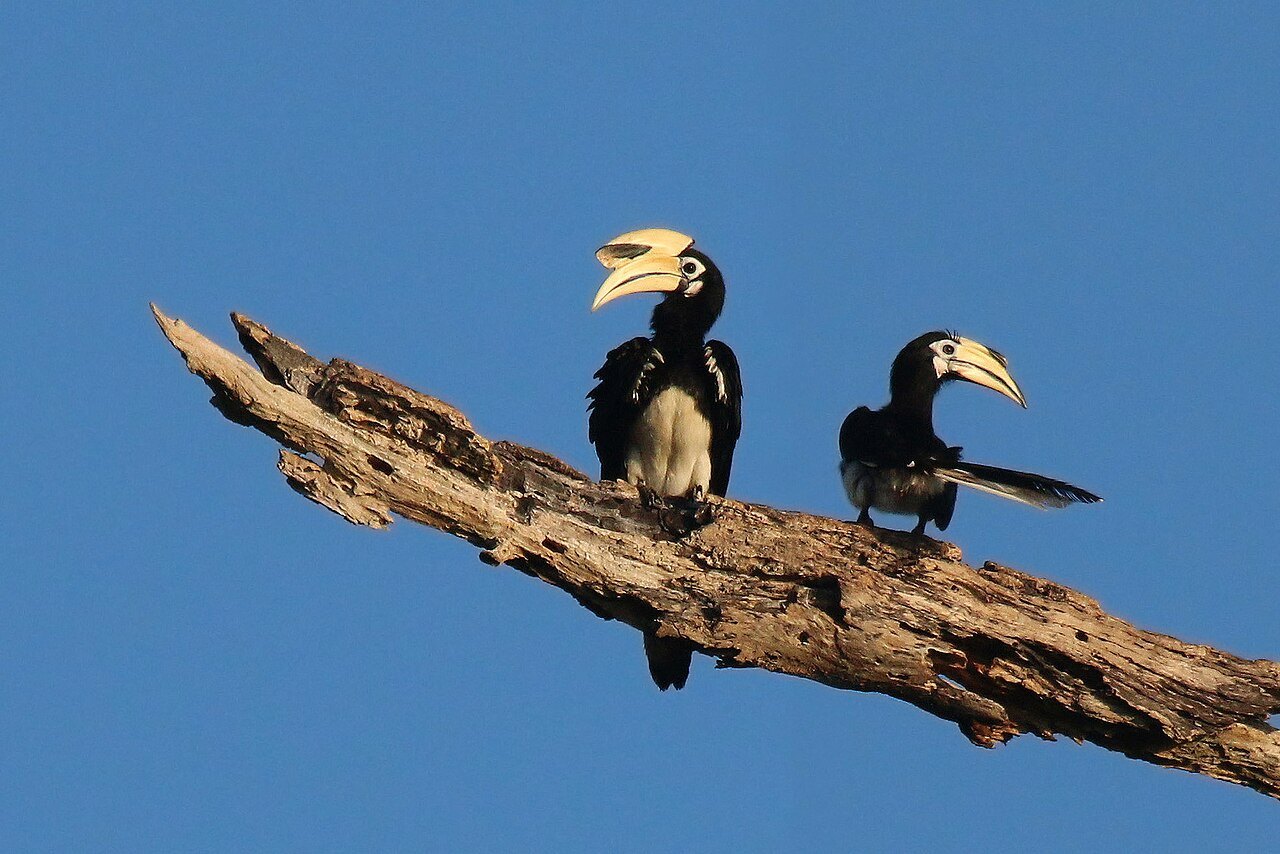
> Quick view: Miri is Sarawak's second city and its oil capital, but the reason to fly in is what sits around it — a UNESCO-listed cave complex, an ASEAN Heritage Park, hornbills inside the city limits and a coastline that occasionally glows blue after dark.
Why Miri is worth the flight
Most Malaysian travellers who make it to Sarawak stop at Kuching and go home. Miri, at the northern end of the state and a short hop from the Brunei border, gets far less attention than it should — and that is largely a labelling problem. The city itself is a working oil town with a decent food scene and no great skyline. What it has instead is access.
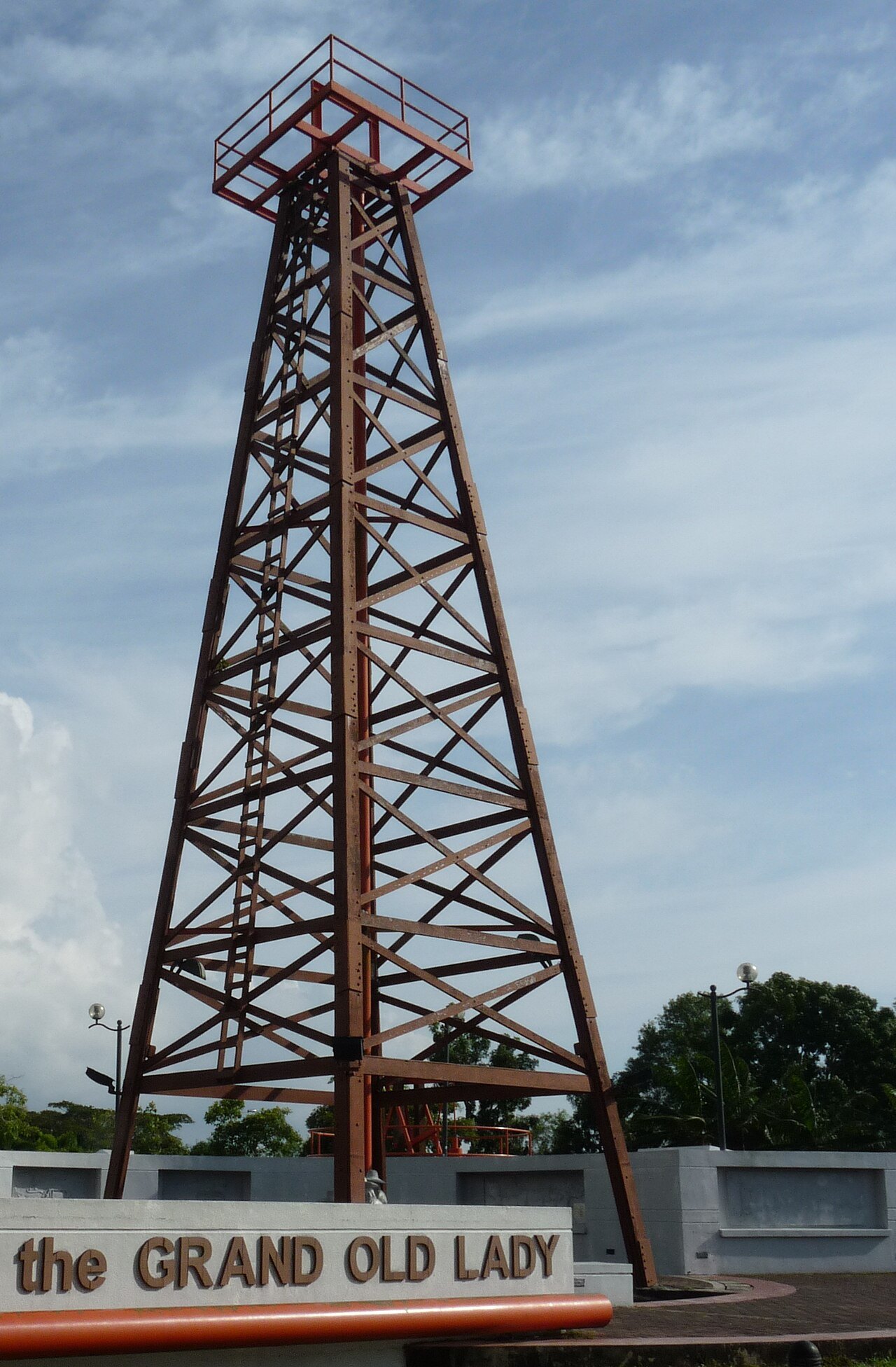
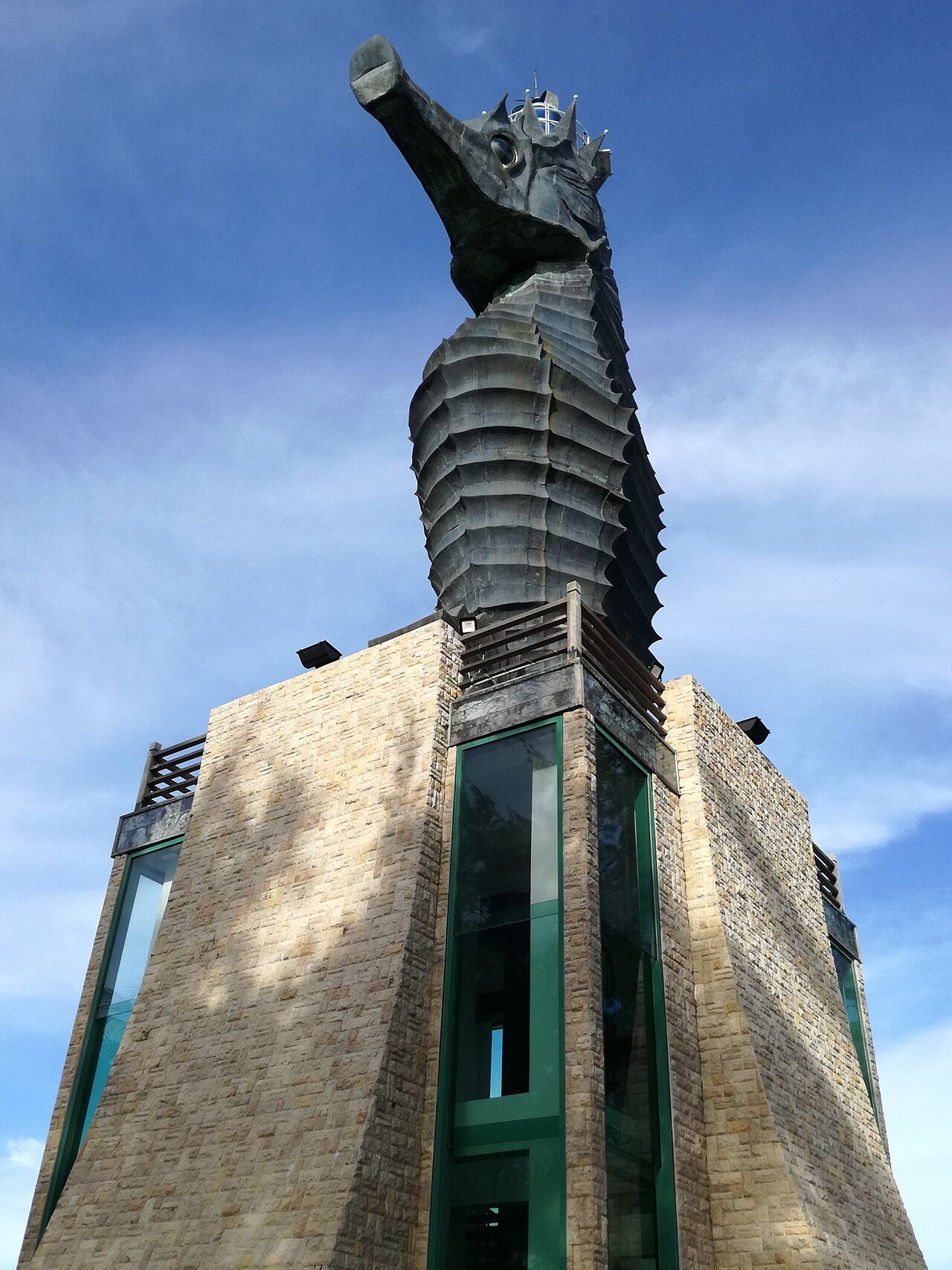
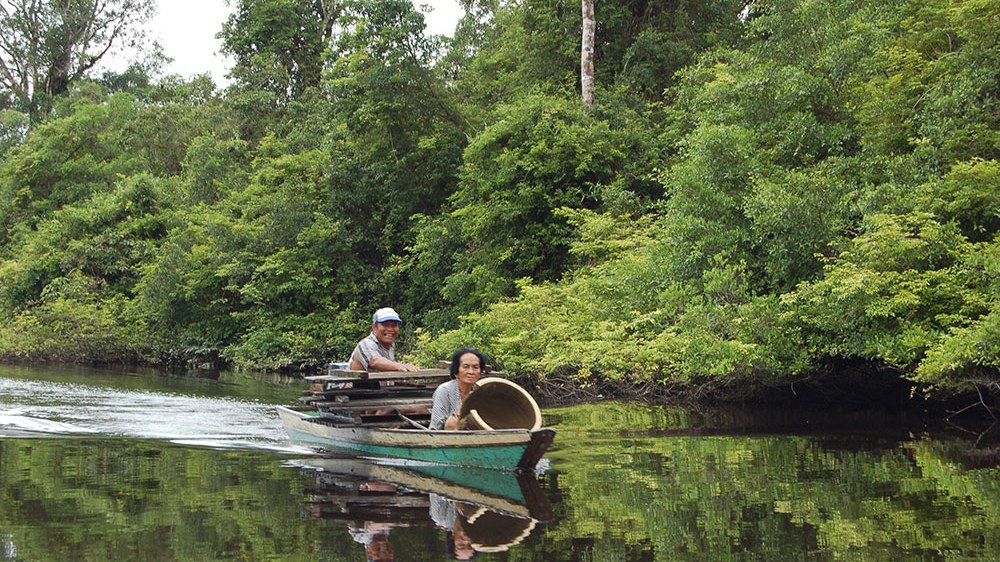
Within a two-hour radius of Miri sit Sarawak's two protected-area headliners of the last two years: the Niah caves complex, inscribed by UNESCO in July 2024, and Lambir Hills, added to the ASEAN Heritage Park network in September 2025. Add a nature reserve five kilometres from the city centre with a resident hornbill population, a peat-swamp lake that physically disappears for part of the year, and the site where Malaysian oil production began in 1910, and you have a two-to-three-day itinerary that is genuinely hard to replicate anywhere else in the country.
How to plan it
Parks need pre-registration. Sarawak Forestry Corporation requires visitors to pre-register before entering its totally protected areas, and accommodation inside the parks is booked through the state's own e-booking system rather than the usual travel platforms. Do this before you fly, not at the gate.
Distances are real, and one of them is usually understated. Sarawak Forestry's own park page puts Niah headquarters at approximately two hours' drive from Miri — not the ninety minutes most itineraries quote. Tusan Beach is about an hour, Lambir Hills roughly 30 km out, and Loagan Bunut considerably further into the interior. Lambir Hills and Piasau are the two that work as half-day trips. Without a car, budget for a hired driver — public transport to the parks is not a practical option.
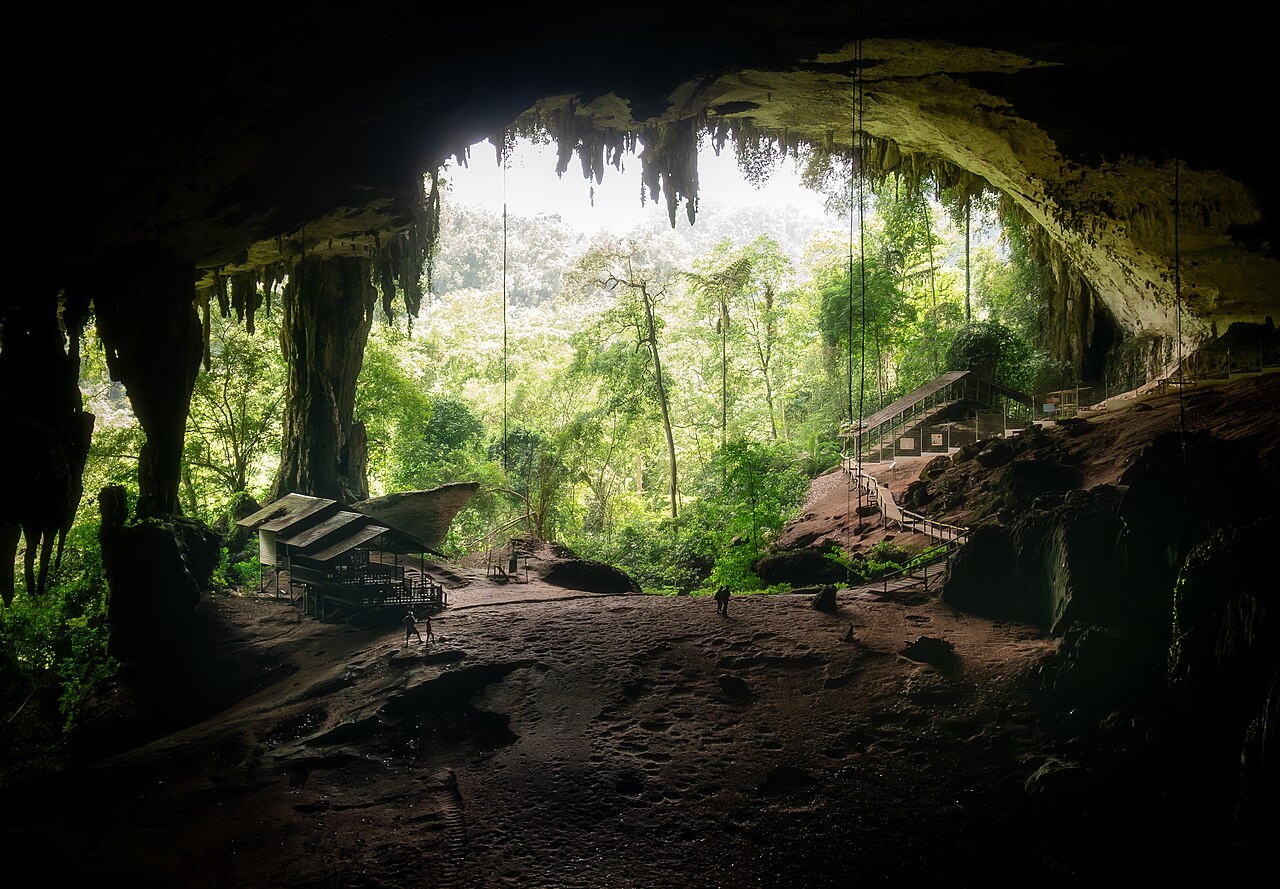
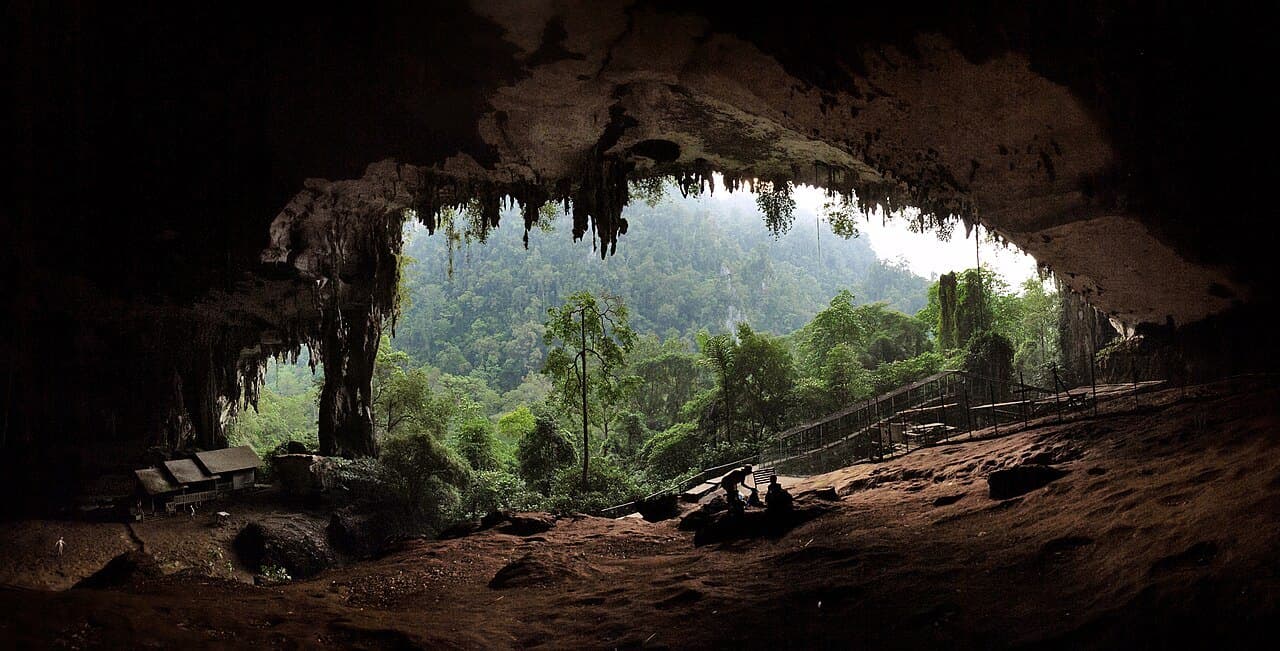
Niah is a walk, not a drive-up. Reaching the Great Cave is a three-part journey: the drive, then a motorised boat across the Niah River, then a 3.5 km raised plankwalk through primary rainforest that takes about an hour each way. That is roughly two hours on your feet and seven kilometres of boardwalk before you have spent a minute inside the caves. Wear shoes you can sweat in, carry water and a torch — Gan Kira (Moon Cave) is genuinely dark — and understand why Sarawak Forestry strongly recommends an overnight stay in the park's chalet or hostel rather than a day trip.
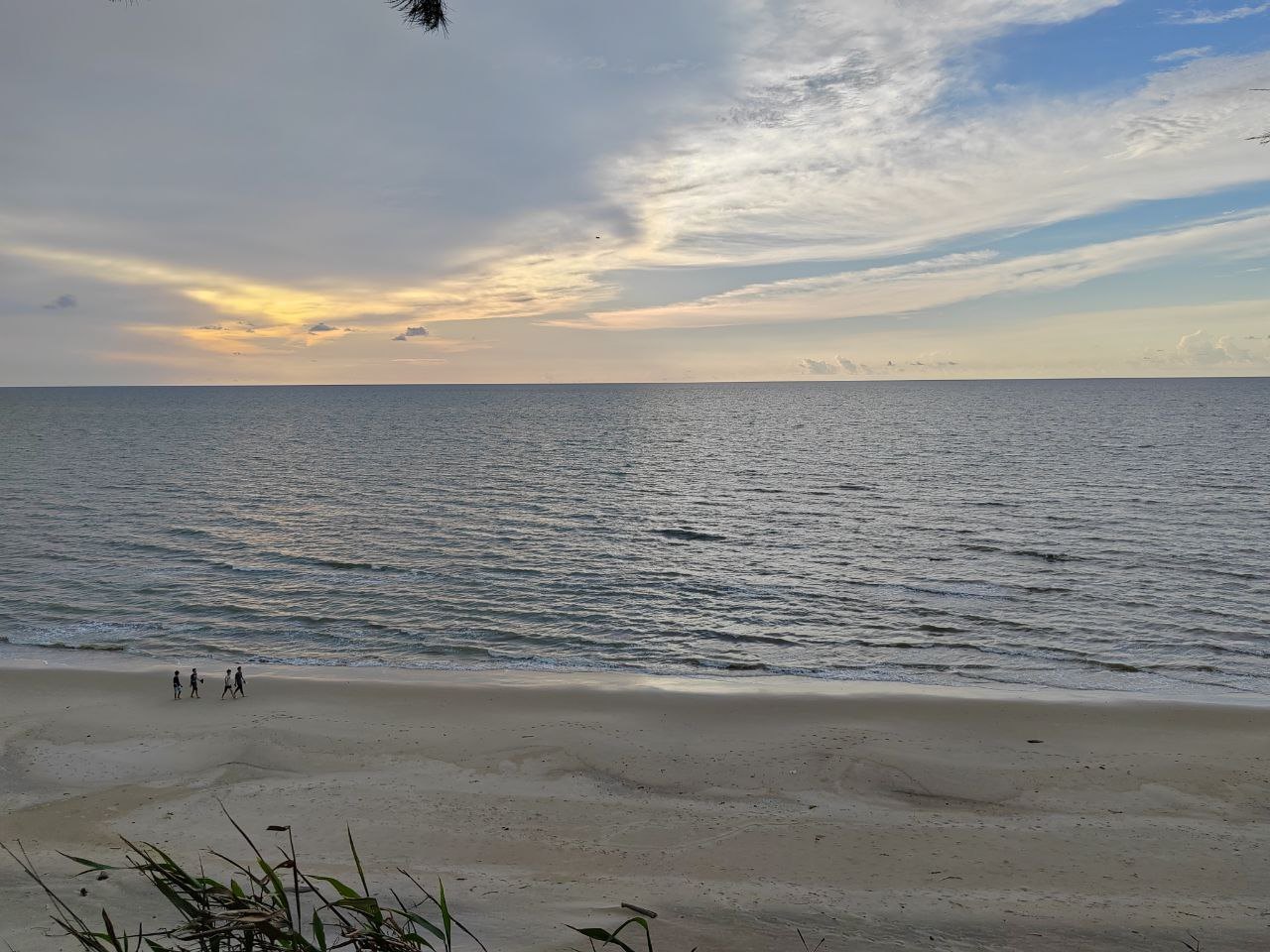
Season matters more than usual here. Loagan Bunut's lake typically drains to a dry mud flat between February and September, which is either the reason to go or the reason not to, depending on what you want to see. The bioluminescent plankton at Tusan appears after dark and is not guaranteed on any given night — moonless nights are the usual advice.
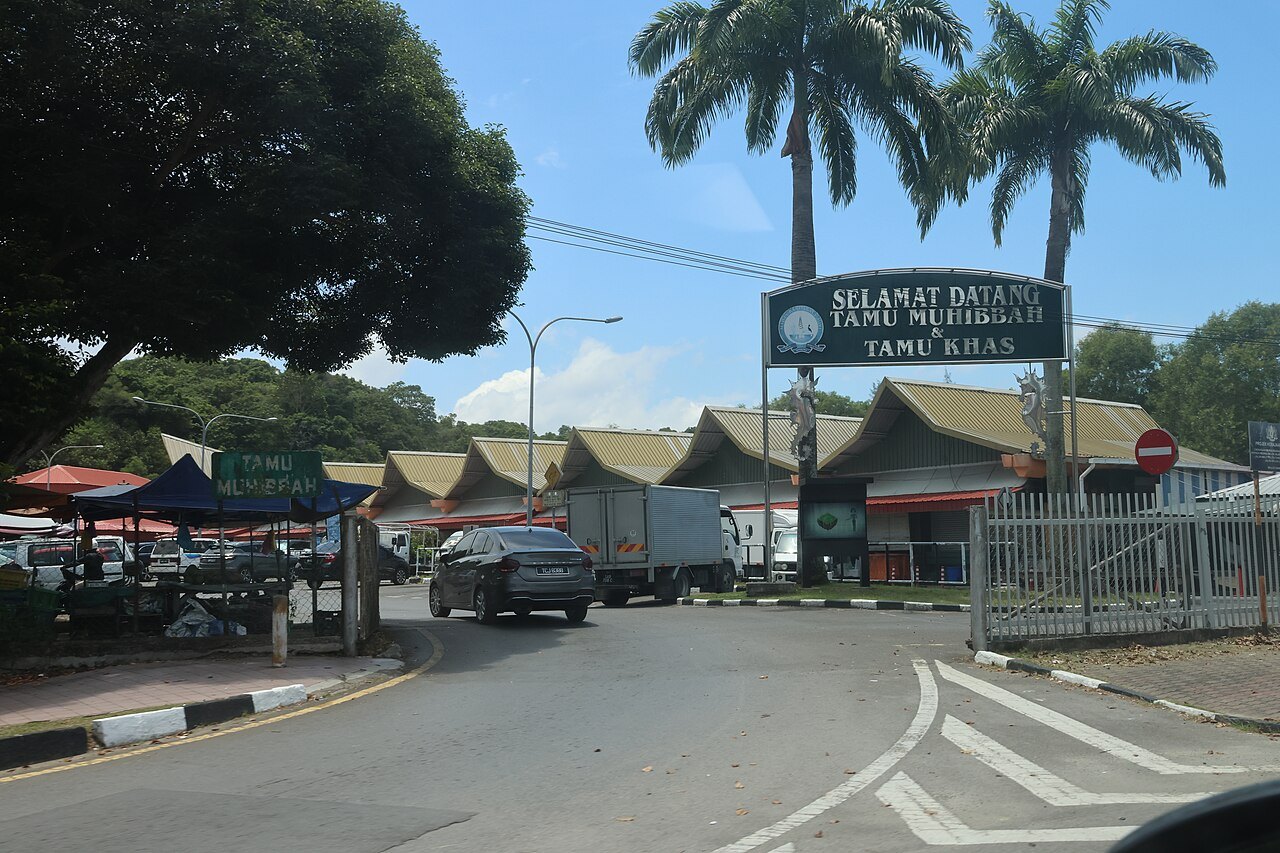
Two of these are honest half-stops. Tamu Muhibbah is a morning market and is finished by lunchtime. The Marina Bay waterfront is a sunset stop, not an afternoon.
What it costs
Sarawak does not price its parks one by one. Admission is fixed by the Second Schedule of the National Parks and Nature Reserves (Amendment) Regulations 2010, published by the Forest Department Sarawak, and the same numbers apply at Niah, Lambir Hills and Loagan Bunut alike. This is the part almost every Miri itinerary leaves out, so here it is plainly.
Single-entry admission — national parks (Niah, Lambir Hills, Loagan Bunut):
- Malaysian adult — RM10
- Malaysian senior citizen or person with disability — RM5
- Malaysian child above 6 and under 18 — RM3
- Any child 6 and under — free
- Non-Malaysian adult — RM20; non-Malaysian child aged 7–17 — RM7; non-Malaysian with disability — RM10
Nature reserves other than Semenggoh — the tier Piasau sits in:
- Malaysian adult — RM1
- Malaysian senior citizens, persons with disability and children — free
- Non-Malaysian adult — RM5; non-Malaysian child aged 7–17 — RM2
If you want to sleep inside a park, the same schedule sets the rates: a forest hostel bed is RM15 a night and a hostel room RM40, a forest hut or wildlife observatory RM10 per person, a campsite RM5 per person, and forest lodges run RM50 to RM300 per room per night depending on type. At Niah, where doing it properly means seven kilometres of plankwalk in and out, that RM15 bed is the difference between a rushed visit and a real one.
Guides are priced per group, not per head. Leisure trekking is RM30 per hour per guide for up to ten people at ordinary parks, and RM50 per hour at World Heritage sites. Adventure caving — the off-plankwalk kind — is RM500 per guide per day, or RM600 at World Heritage sites, for a maximum of eight people.
The one stop with published hours worth writing down is Piasau Nature Reserve, which runs its own visitor site. Its main trail, jogging path, cycling path, Jimmy Trail and Community Trail are open every day 6am to 6.30pm; the interpretation centre opens 9am to 3pm on weekdays and 9am to 5pm on weekends and public holidays; the visitor centre keeps office hours, Monday to Friday 8am to 5pm. The Petroleum Museum is the other one people get wrong — see stop 3.
What to do with a long weekend
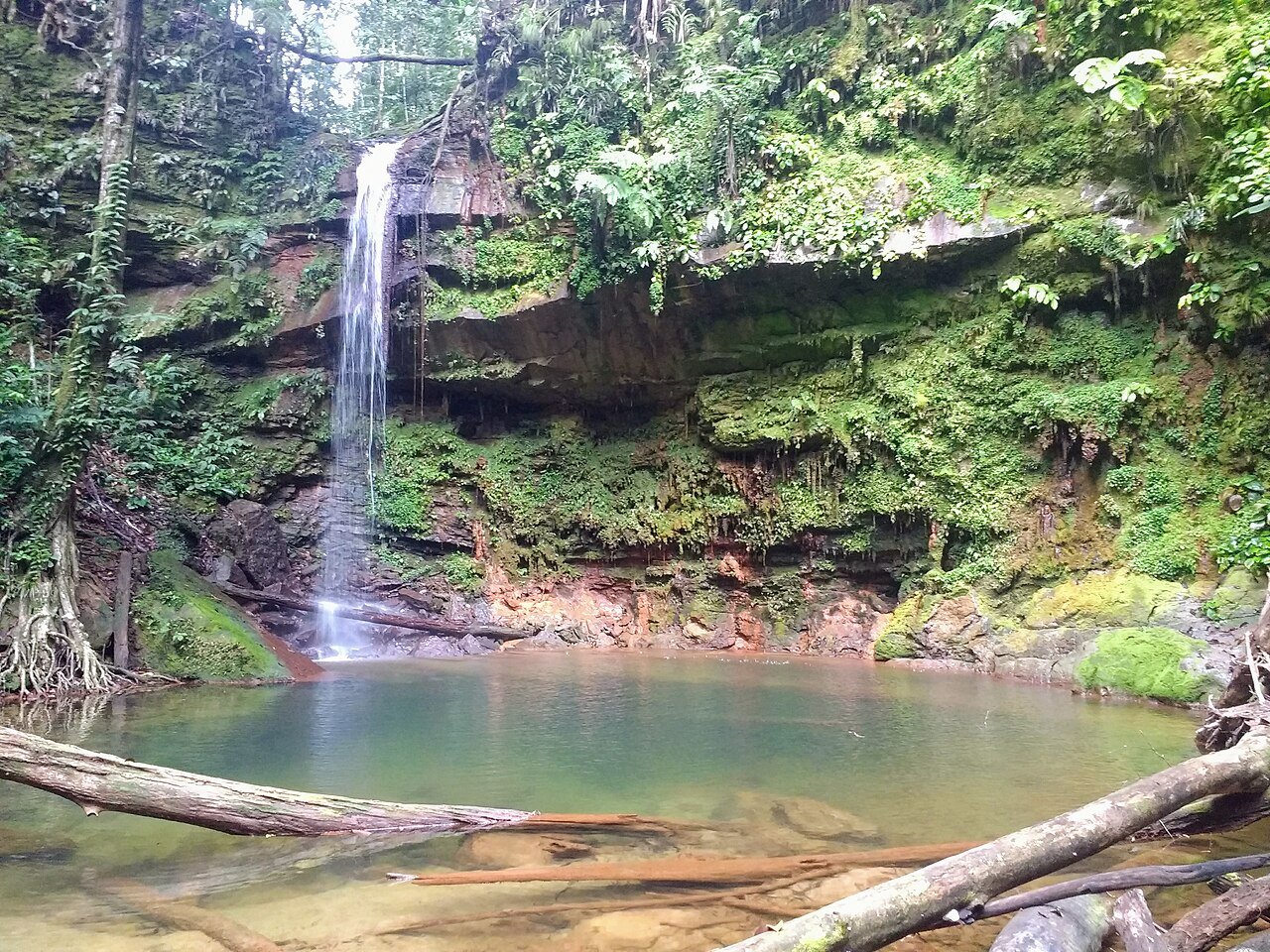
A workable three-day shape: Day 1, arrive and do Piasau Nature Reserve in the late afternoon followed by sunset at Marina Bay. Day 2, full day at Niah — it is the one that justifies the trip, and rushing it is a waste. Day 3, Lambir Hills waterfalls in the morning, Tamu Muhibbah or the Petroleum Museum before your flight. Tusan Beach and Loagan Bunut are the additions if you have a fourth day.
Two more worth knowing about
Miri City Fan is the city's civic park — a fan-shaped, roughly 10.4-hectare public space built in stages through the 1990s, containing an amphitheatre, a musical fountain, a public swimming pool, Islamic, Chinese, botanical and formal gardens, and the Pustaka Miri public library. It was recognised as the country's best landscaped city park. It is free, central, and the obvious place to walk off a heavy lunch.
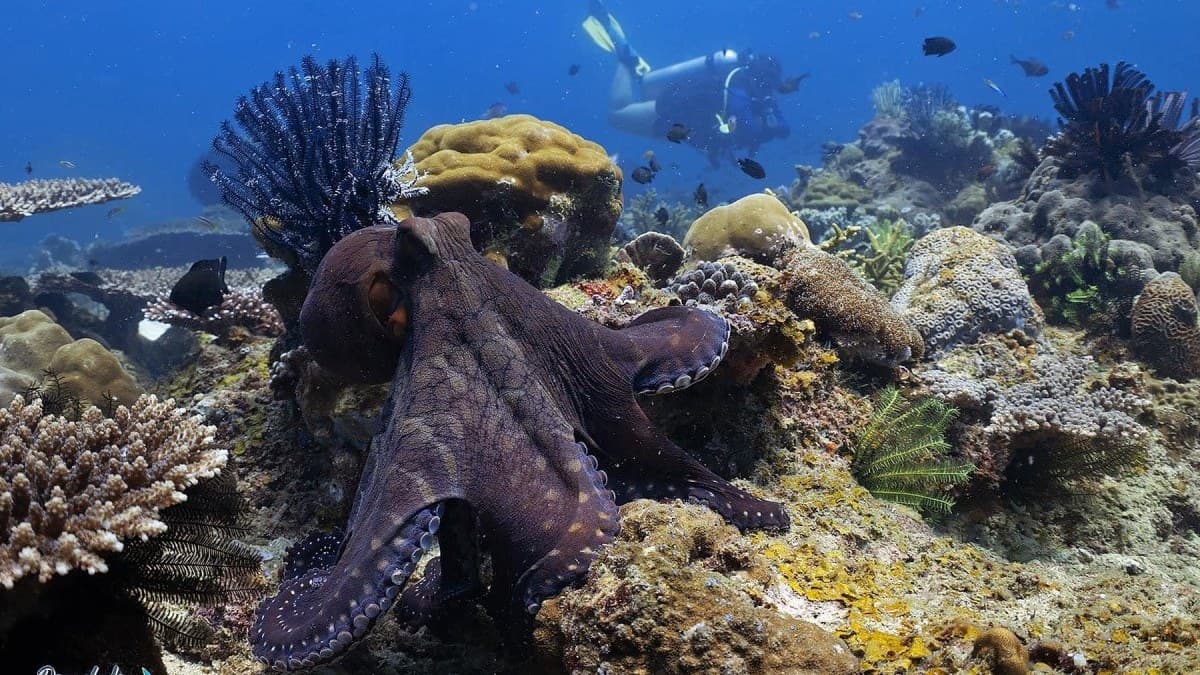
Miri-Sibuti Coral Reefs National Park is the offshore option. Miri is one of the few Malaysian cities with a marine national park essentially on its doorstep, and dive operators run day trips out to it. If you dive, this is the reason to add a day.
Related reads
- Kuching attraction prices in 2026 — the other end of the state
- Kolo Mee & Sarawak Laksa: Where to Eat in Kuching 2026 — the Sarawak dishes worth planning meals around
- Family-Friendly Things to Do in Kuching, Sarawak — if you are pairing Miri with the state capital
*Cover image: The main entrance to the Niah Caves at sunset — Photo: Starlightchild, CC BY-SA 3.0, via Wikimedia Commons*