Topic
#budi95
4 articles
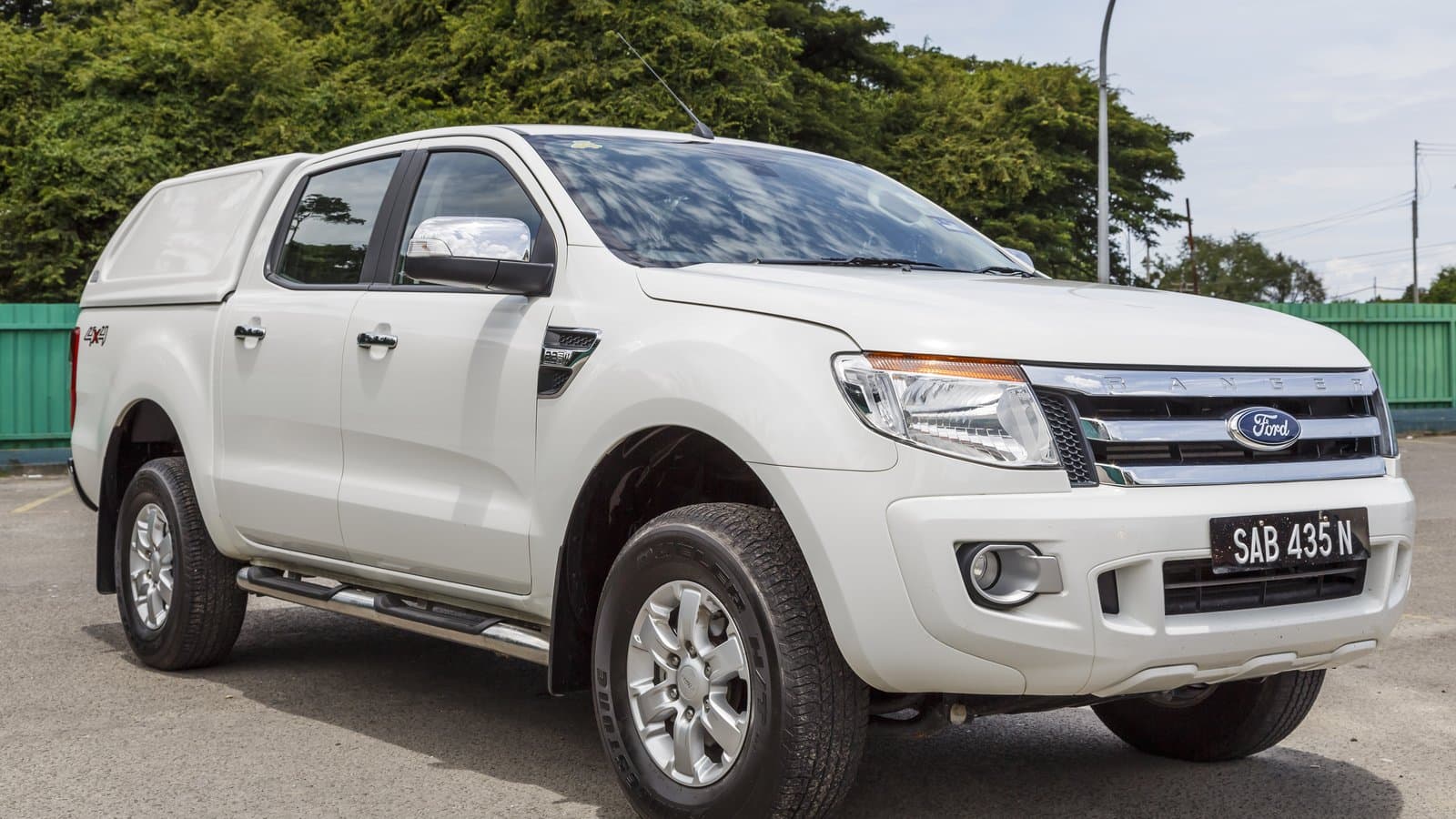
BUDI Diesel Transfer Rules 2026: Any BUDI95 Holder Can Now Get It, Up to Three People, and No Second Chances
Since 16 September 2026 a diesel owner can pass BUDI Diesel to whoever actually drives the vehicle, not just immediate family, and to as many as three people. The transfer is one-way and final. Here is what the Ministry of Finance FAQ says, the 27th-of-the-month cut-off, and what it is worth at this week's pump prices.
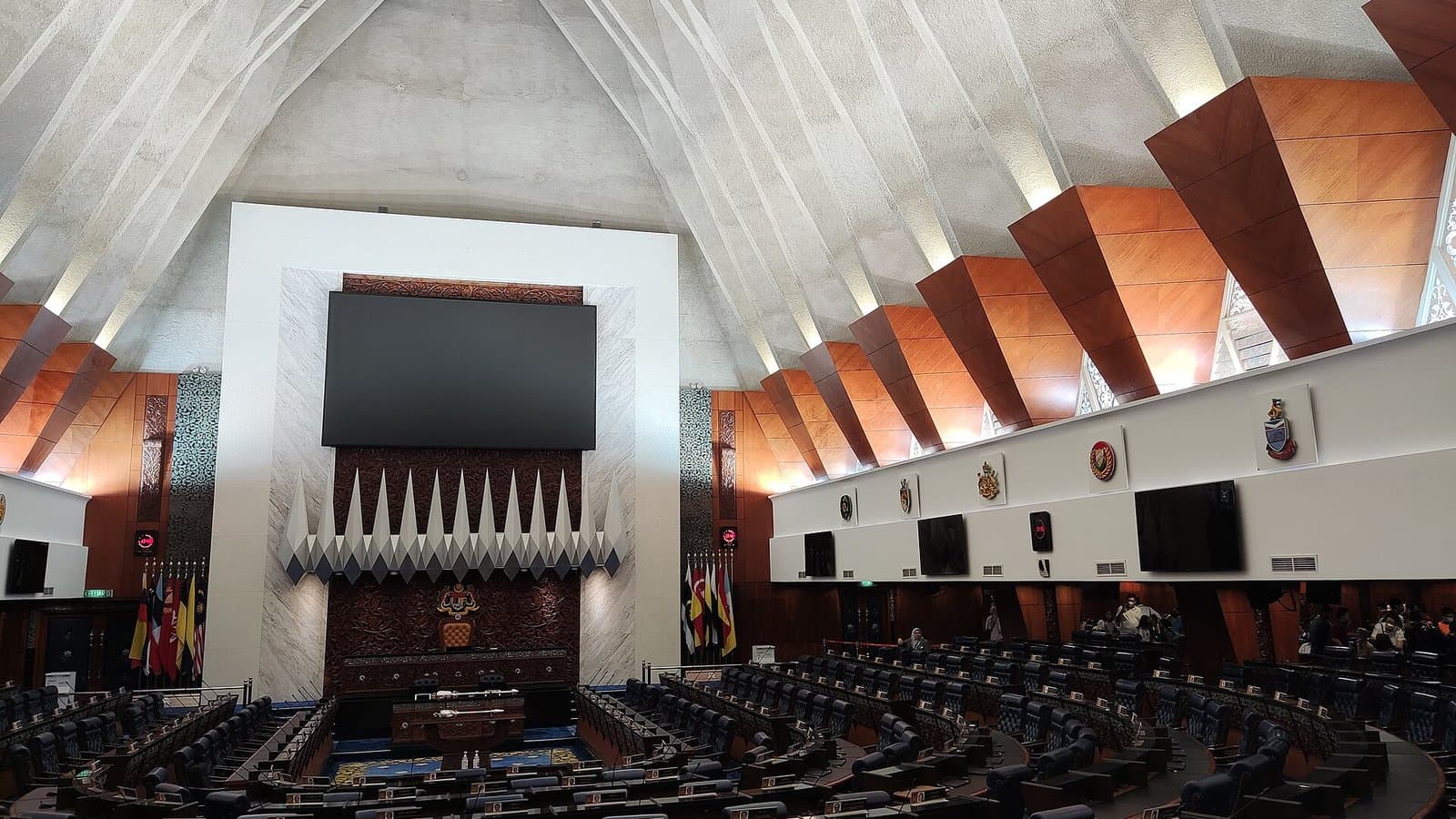
Budget 2027 on 9 October: What Is Already Decided, What the Pre-Budget Statement Signals, and When Any of It Reaches You
Budget 2027 will be tabled in the Dewan Rakyat on Friday 9 October 2026. Here is what the Finance Ministry's own Pre-Budget Statement says, the ten focus areas it named, the figures it chose to publish, which measures are already law or already running so will not be new on the day, and how long a new tax relief takes to reach your return.
The Six Measures That Started on 1 September 2026: BUDI95 Is Back to 300 Litres and the e-Invoice Line Moves to RM3 Million
Prime Minister Anwar Ibrahim announced six immediate cost-of-living measures in the National Day address at PICC on 30 August 2026, all of them effective from 1 September. Two of them change a number a lot of Malaysians already had memorised. The BUDI95 quota goes back to 300 litres a month after five months at 200, restoring the level cut on 1 April, and BUDI Diesel rises from 300 to 400 litres. The e-Invoice exemption threshold triples from RM1 million to RM3 million in annual turnover, which LHDN says takes more than 1.1 million businesses out of mandatory implementation. Re-checked a week on: the AI programme has opened with published rules, the extra diesel litres turn out to need an application, and LHDN's own criteria are narrower than the RM3 million headline.
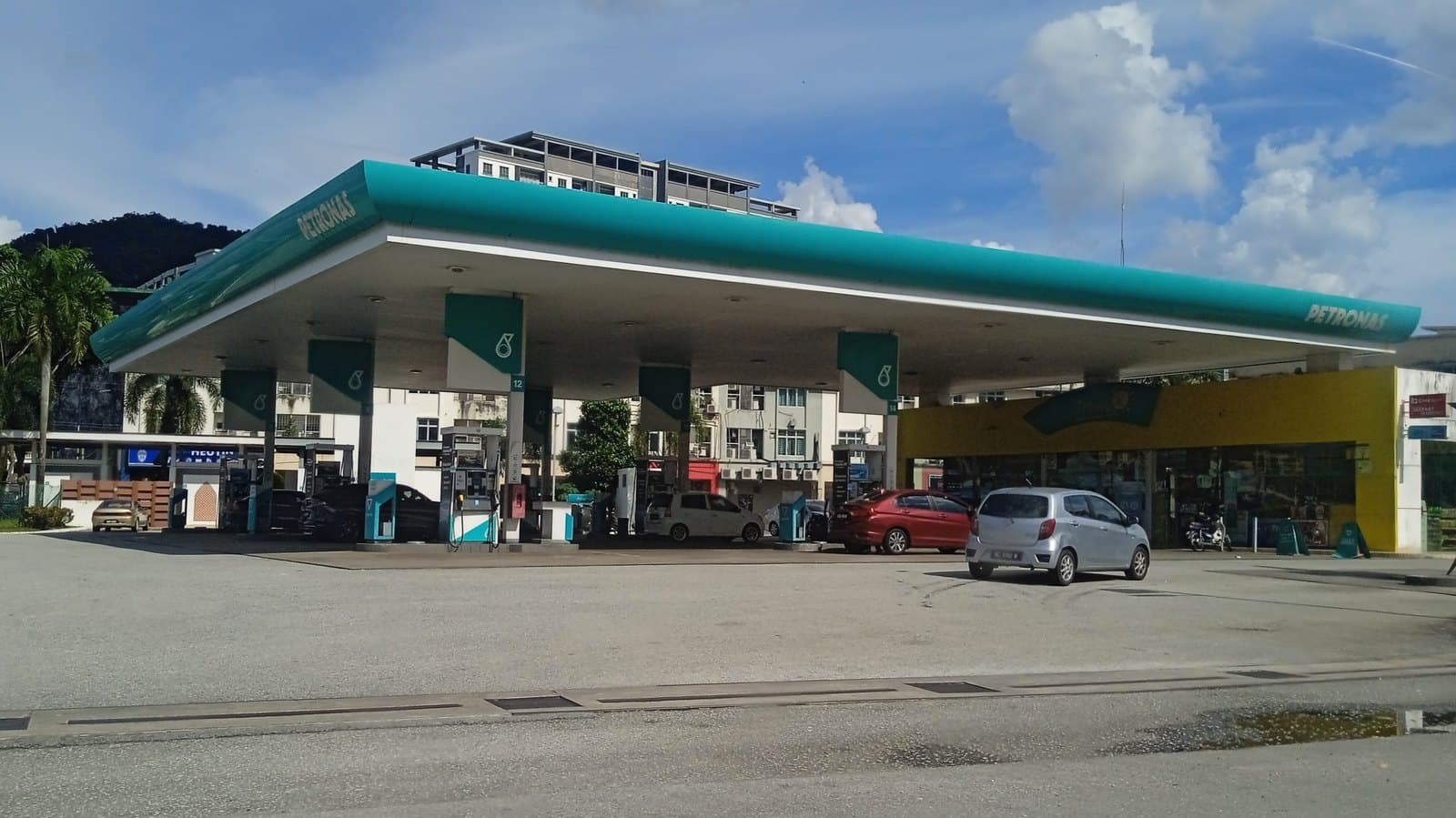
BUDI95 Is Back to 300 Litres: What the Cap Is Worth This Week, and Exactly What Happens at Litre 301
The BUDI95 quota is back to 300 litres a month. It was cut to 200 on 1 April 2026 and restored on 1 September, after Prime Minister Anwar Ibrahim announced the reversal in his National Day address on 30 August; BUDI Diesel moved with it, to 400 litres for jeep and pick-up owners. The restoration landed just ahead of a sharp rise at the pump: unsubsidised RON95 went from RM3.77 in the first week of September to RM4.57 by 24 September, and is RM4.52 a litre for 1 to 7 October 2026. With BUDI95 still fixed at RM1.99, the government is now paying RM2.53 for every subsidised litre — RM759 a month if you use the whole quota, more than double what the 200-litre cap was worth in August. Here is what the cap is worth, the rules that have not changed (one shared balance for petrol and diesel, litres that expire on the 1st, a RM250 ceiling per transaction), the BUDI Diesel transfer rules that changed on 16 September, and what happens at litre 301: nothing dramatic — the pump simply charges you the unsubsidised price.