Topic
#perkeso
8 articles
PERKESO Work Accident Claims 2026: What You Get, Commuting Accidents, and How Borang 34 Works
Hurt at work or on the way there? PERKESO's Employment Injury Scheme pays 80% of your average assumed daily wage while you are on medical leave of 4 days or more, 90% for permanent disablement, free treatment and a RM3,000 funeral benefit. Here is what counts, the 48-hour employer duty, and the documents Borang 34 needs.
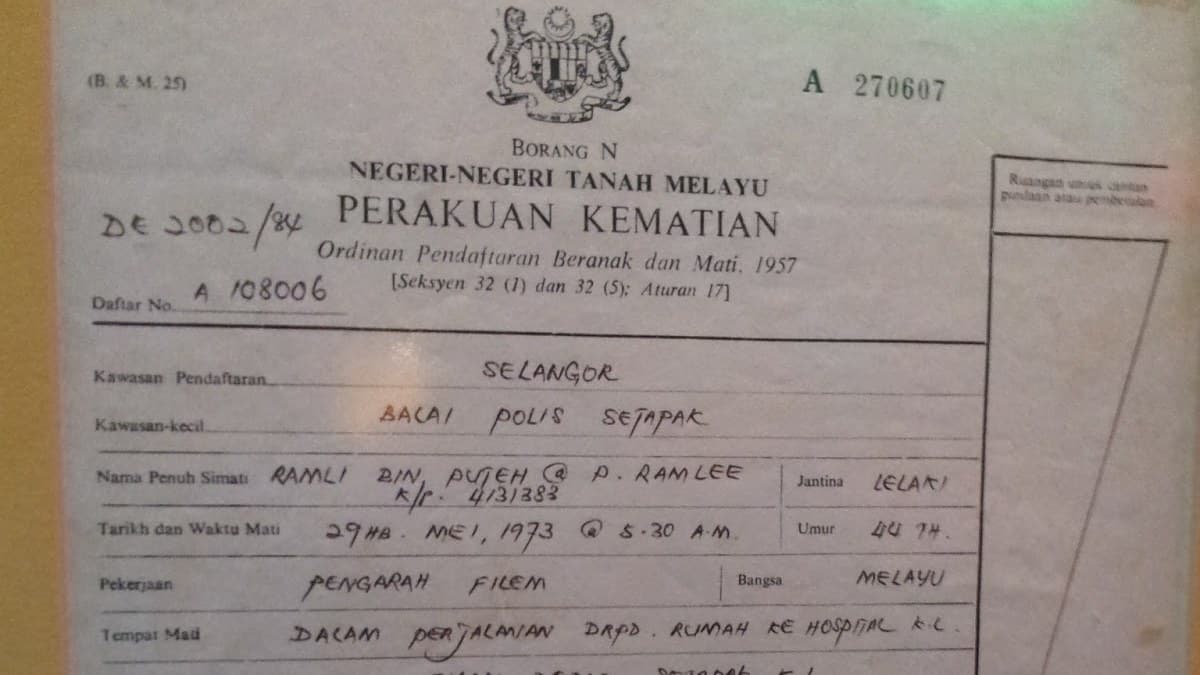
Registering a Death in Malaysia 2026: The Burial Permit, the JPN Certificate, and Why Sabah and Sarawak Count the Hours
When someone dies in Malaysia, two papers matter first: the burial permit you need before the funeral and the death certificate you need for everything after it. Here is who issues each one, what to bring to JPN, what it costs, how Sabah and Sarawak differ, and the PERKESO funeral benefit of up to RM3,000.
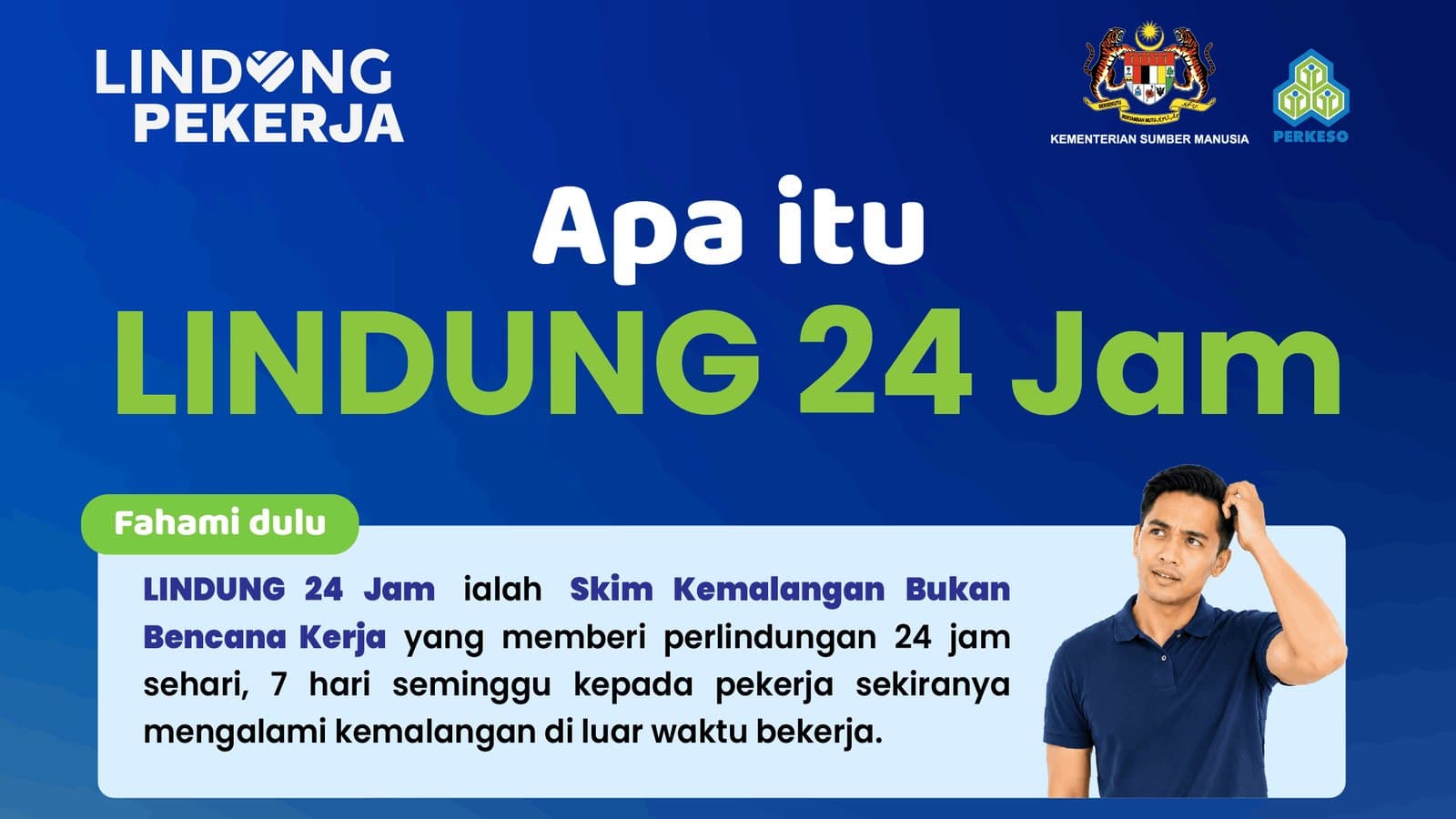
LINDUNG 24 Jam in 2026: What the 0.75% Buys, Who Still Pays It, and How to Opt Back In After 31 August
PERKESO's LINDUNG 24 Jam scheme covers employees for accidents outside work, anywhere in Malaysia, for 0.75% of salary (RM22.15 a month on RM3,000). It began as compulsory on 1 June 2026, became voluntary for Malaysians after the Cabinet's 8 July decision, and the opt-out window closed on 31 August. Here is where that leaves you: who is still covered, what June money cannot be refunded, and how to opt back in from 2 September.
Resigning or Retrenched in Malaysia 2026: Your Notice Period, Final Pay, Unused Leave, and the RM4,000 Line on Termination Benefits
What the Employment Act 1955 actually says when a job ends: 4, 6 or 8 weeks' notice when your contract is silent, final pay due on your last day, every unused annual leave day paid out unless you were sacked for misconduct, and termination benefits of 10 to 20 days' wages a year that stop at RM4,000 a month. Plus who can claim EIS, and the 60-day deadlines nobody warns you about.
Maternity Leave in Malaysia 2026: The 98 Days You Are Owed, the 7 Days for Fathers, and the 30-Day Allowance That Is Not Law Yet
Every female employee in Malaysia is entitled to 98 consecutive days of maternity leave per confinement, and fathers get 7 paid days of paternity leave, whatever they earn. The rules have covered Sabah and Sarawak since May 2025. What is not yet in force is the Post-Maternity Leave Allowance announced on Labour Day 2026: 80% of your monthly wage for up to 30 extra days, paid by PERKESO rather than your employer. Here is what the Employment Act actually says, who misses out, and where EPCB stands.
PERKESO's LINDUNG Kasih for Housewives 2026: What RM120 a Year Pays Out, Who Can Join, and the Age-60 Promise That Is Not Law Yet
LINDUNG Kasih is the new name for PERKESO's Housewives' Social Security Scheme, and it costs RM120 for twelve months. We read the Housewives' Social Security Act 2022 and PERKESO's own forms and pages on 13 September 2026. It covers injuries while running a household, including the school run and the market trip, and pays RM300 a month for invalidity, up to RM30,000 for permanent disablement and RM3,000 for a funeral. Working women can join too. The upper age is still 55, even though the minister announced 60 in May, and PERKESO's own FAQ still prints the old RM2,000 funeral figure.
The Gig Workers Tribunal Heard Its First Case on 1 September. No Lawyers Were Allowed in the Room
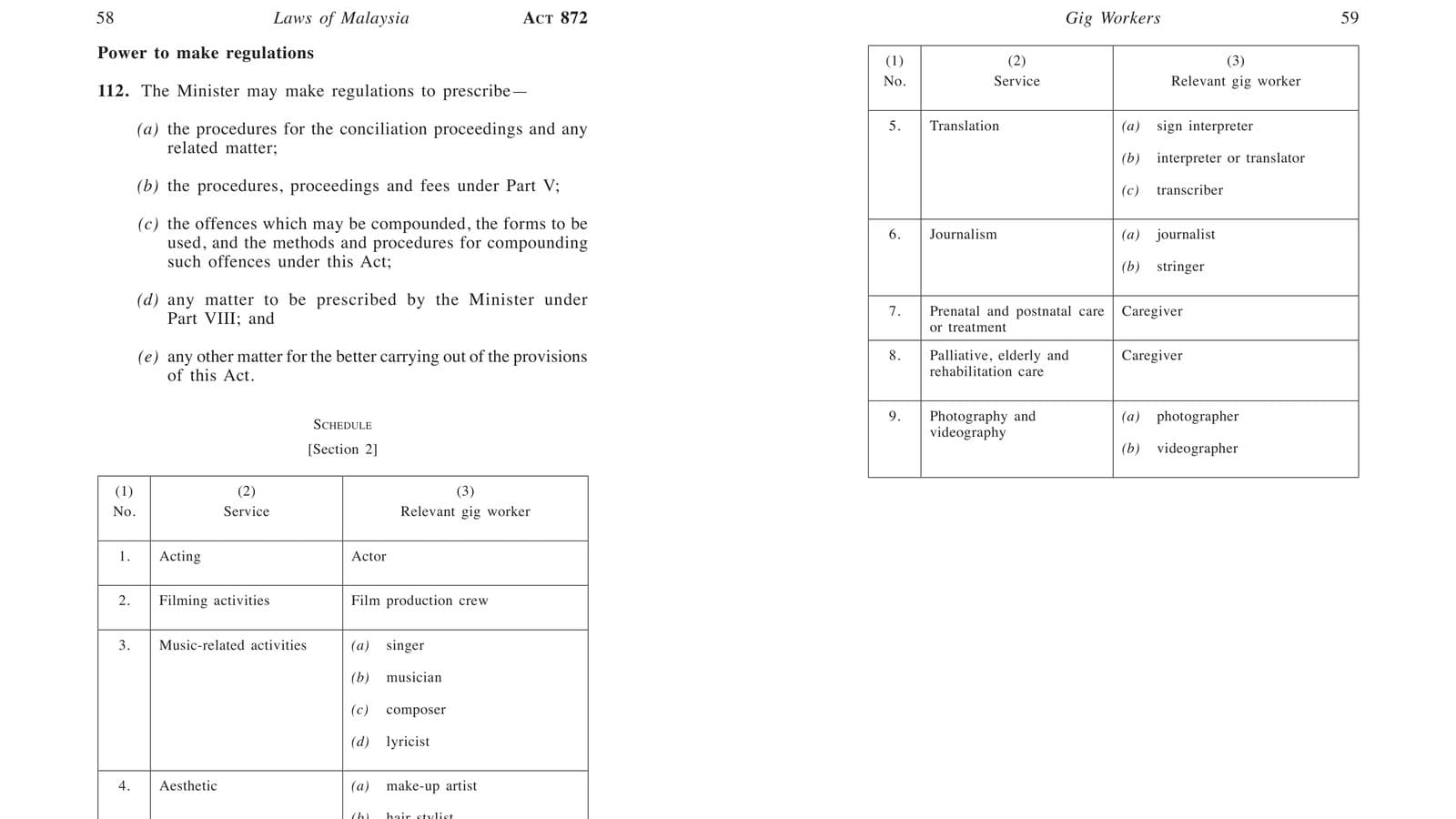
Malaysia's Gig Workers Tribunal sat for the first time on 1 September 2026, at the Kuching labour office in Sarawak. The case was an e-hailing worker against GrabCar Sdn Bhd over Saver Trips, Advance Booking and cashback incentives, and the worker argued it himself because section 36 of the Gig Workers Act 2025 bars advocates and solicitors from representing anyone before the Tribunal. The hearing was adjourned for further testimony. We read the gazetted Act 872 clause by clause and it answers two questions the first case raises: how a rider actually gets to the Tribunal, which is not by walking in, and who the Act covers, which for anyone not working through a platform is a list of exactly nine services printed in the Schedule. Freelance design, copywriting, coding and tutoring are not on it.
The 1.25% Coming Out of Every Job: What the Gig Workers Act Actually Gives Malaysian Riders and Drivers
Since the Gig Workers Act 2025 came into force on 31 March 2026, platforms in Malaysia have been deducting 1.25 per cent of every completed job from riders and drivers and paying it to PERKESO. Most people affected know the deduction is there. Far fewer know what it buys — or that the same Act gives them rights that have nothing to do with money. We read PERKESO's own FAQ, issued the day the Act took effect, and the Bill text tabled in the Dewan Rakyat. The deduction funds Plan 1 of the Self-Employment Social Security Scheme at RM157.20 a year, which covers free treatment at government hospitals, 80 per cent of insured income during sick leave from a work accident, RM500 a month if you need constant care and a RM3,000 funeral benefit. The provisions almost nobody talks about are elsewhere: a platform can suspend your account for a maximum of 14 days while it investigates, must tell you in writing, and if it finds no reason to deactivate you it must reinstate you and pay half your average daily income for the days you were locked out. Here is the full picture, with the figures.