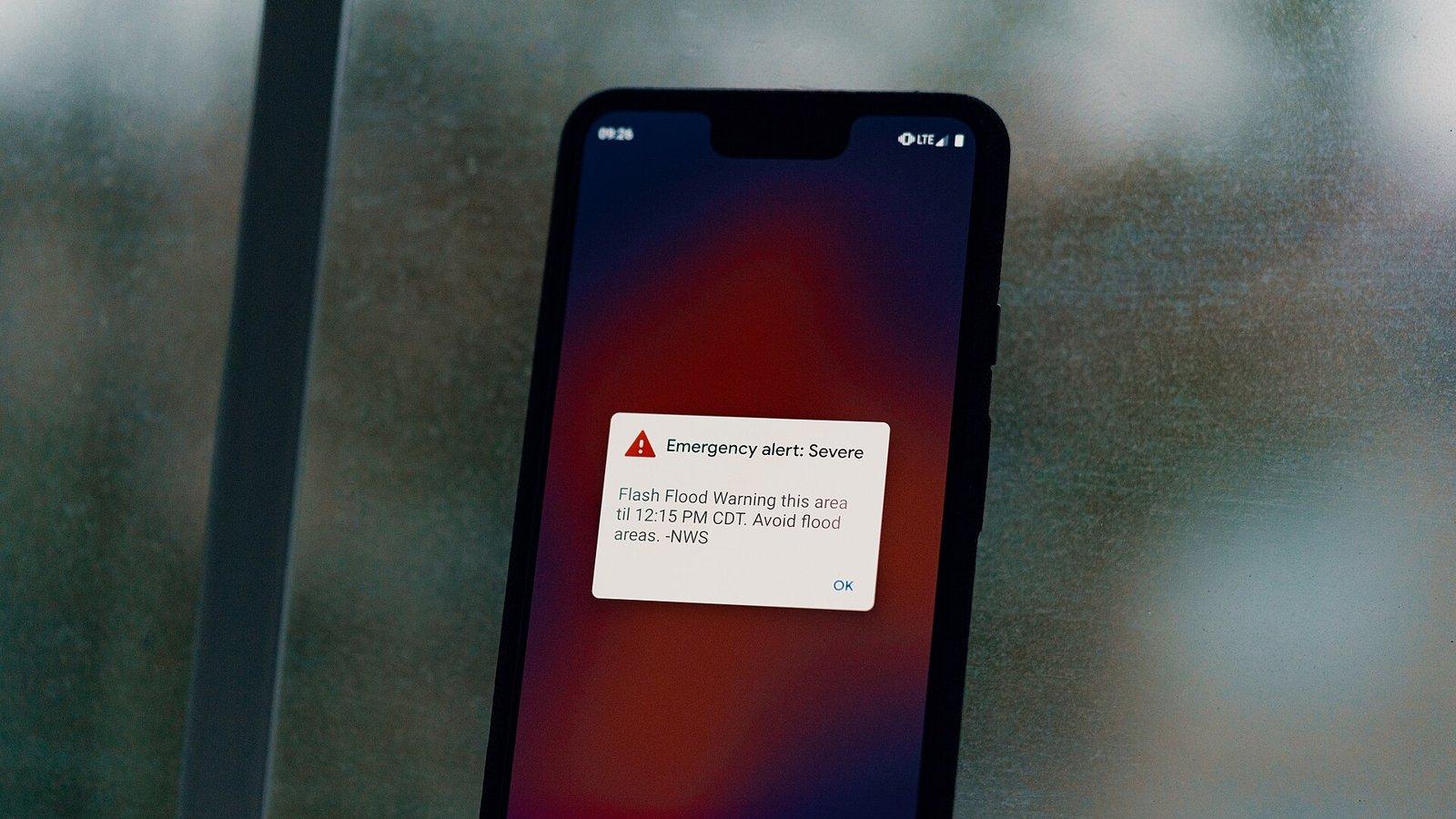
*Cover image: a cell broadcast flash flood alert on an Android phone in the United States, an example of how these alerts look, by Tony Webster via Wikimedia Commons (CC BY 2.0).*
If your phone screams at you on Thursday and shows a message about a disaster near you, check the date before you grab your bags. The Malaysian Communications and Multimedia Commission (MCMC) is testing its new Cell Broadcast System on 19 November 2026, and the test message may look exactly like a real warning. This explainer covers what is confirmed, what is not, and what to do if the alert lands on your phone.
What is happening on 19 November
The Cell Broadcast System (CBS) is a national disaster warning system developed by MCMC. Deputy Prime Minister Ahmad Zahid Hamidi, who chairs the National Disaster Management Agency (NADMA), said on 11 October 2026 that it was in its final phase of development with live testing set for 19 November, as reported by NST. He was speaking at the opening of National Preparedness Month 2026 in Ipoh.
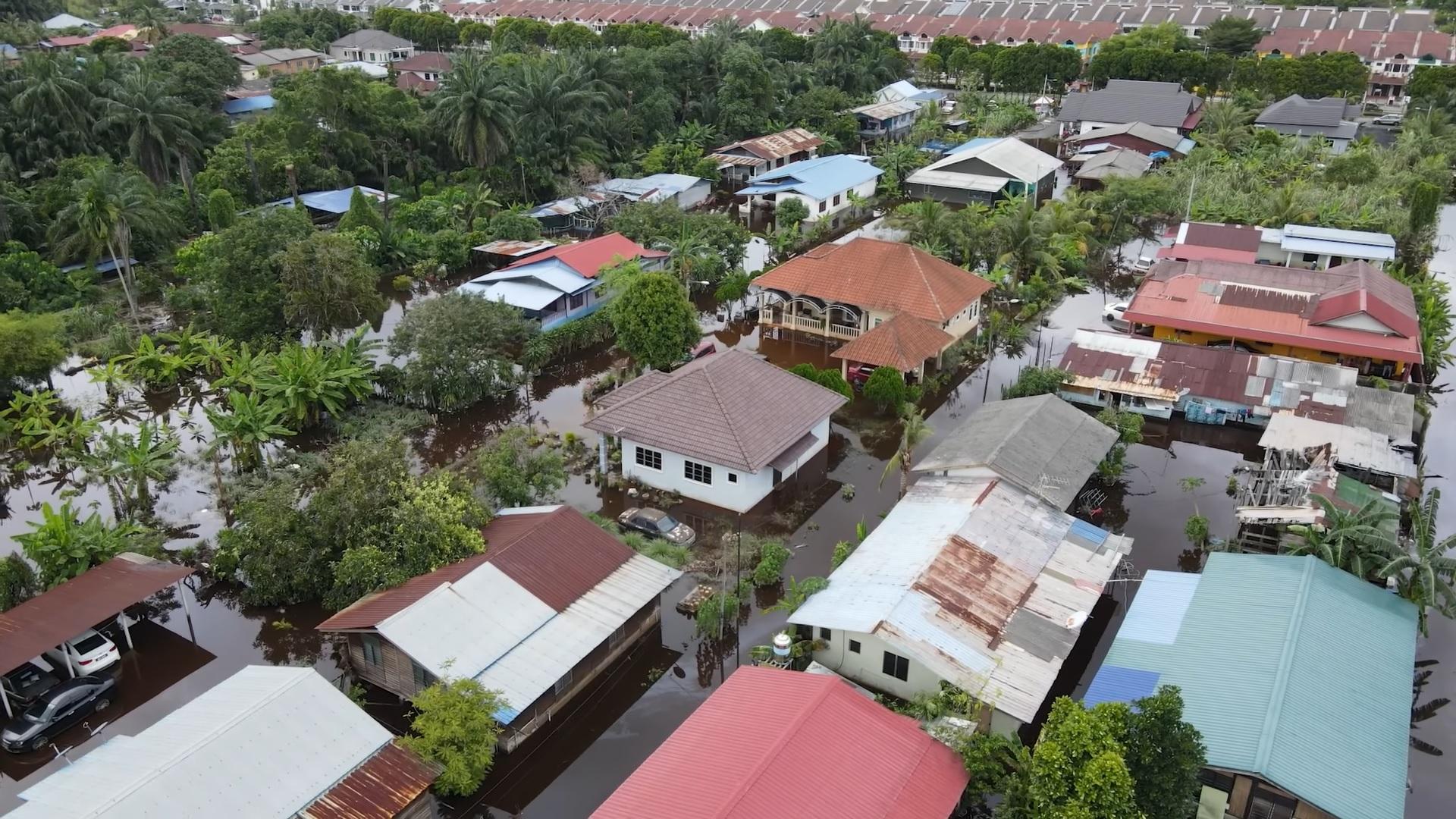
Malay Mail reported on 18 November that the pilot is expected to focus on high-risk, flood-prone locations, including selected areas in Selangor, Kuala Lumpur, Kelantan and Pahang. The simulated broadcast may tell recipients to seek shelter immediately or warn of an imminent natural disaster. It is part of a drill, not an actual emergency.
What has not been announced: when we checked MCMC's press release page on 18 November 2026, it carried no statement on the test, so the exact time, the list of districts and the wording of the message were not public. If you are outside the four states, you will probably receive nothing.
How cell broadcast is different from the SMS alerts
Malaysia's current flood warnings go out as bulk SMS. NADMA launched its SMS flood alert system in November 2024 with CelcomDigi, Maxis and U Mobile, working with the Department of Irrigation and Drainage, MetMalaysia and MCMC. Bulk SMS goes to individual numbers, so messages can queue up when networks are busy.
Cell broadcast works more like a radio transmission. The alert is sent from the cell towers covering a chosen area to every compatible phone connected to them at that moment. According to the Communications Ministry's description reported by NST:
- No phone number is needed, and the government does not access your personal data to send it.
- No SMS service, internet connection or app is needed.
- Your telco does not matter, as long as at least one mobile network is still working in the area.
- Accessibility is built in, with vibration and audio alerts that work with screen readers and voice output on compatible phones.
The limit is physical. If a flood or landslide knocks out every mobile network in an area, the alert cannot be delivered there until service is restored. That is why the system is meant to complement the existing channels first and replace the SMS system only over time.
What to do if your phone sounds on Thursday
- Read the message before reacting. On 19 November, a warning that matches the description above is the drill.
- Do not evacuate or call 999 because of the test. Emergency lines need to stay free.
- Do not forward a screenshot without the date. A test alert reposted next week can start a panic. Zahid urged the public to rely on official channels for disaster information.
- Take note if nothing arrived. If you live in a flood-prone part of the four states and your phone stayed silent, check your settings (below). The pilot may also simply not have covered your area.
Check your phone's emergency alert settings
Menu names vary by brand and software version, but the switches are usually here:
- Android: Settings, then Safety and emergency (or Notifications, Advanced), then Wireless emergency alerts.
- iPhone: Settings, then Notifications, then scroll to the bottom for Government Alerts or Emergency Alerts.
Many phones let you switch off lower-priority or test categories. MCMC has not said which alert category the pilot uses, so leaving all of them on is the safest choice for now. Phones that are switched off, in flight mode or outside coverage will not receive a broadcast.
Where to get real warnings this monsoon
Until CBS goes fully live, keep the existing official channels close:
- MetMalaysia for heavy rain and storm warnings, also on its myCuaca app.
- The Department of Irrigation and Drainage's Public Infobanjir for river levels and rainfall.
- NADMA's Portal Bencana for evacuation centres and flood victims.
The stakes are real. Zahid said, citing the Department of Statistics, that disasters caused RM636.9 million in losses in 2025, down from RM933.4 million in 2024. Early warnings buy the minutes that let families move cars, elderly relatives and documents before the water rises.