> Quick take: Malaysia's remote-work visa for foreigners gets longer and stricter on the same day. From 1 December 2026, a DE Rantau Nomad Pass holder can stay up to four years instead of two, but the income bar for tech workers rises by half, and anyone going into a third year must prove they have paid their tax.
The DE Rantau Nomad Pass is the visa that lets foreign remote workers and freelancers live in Malaysia while earning from clients or employers abroad. It is run by the Malaysia Digital Economy Corporation (MDEC), not the Immigration Department, and is applied for online through MDEC's DE Rantau page. This explainer is built from MDEC's notice of 29 October 2026, its Enhanced Framework FAQ, and its main pass FAQ version 11 dated 1 November 2026, compared line by line with the previous version 10 from August.
Where the change came from
In his Budget 2027 speech on 9 October, Prime Minister Anwar Ibrahim said nomads who had reached the two-year limit would be allowed to stay and work remotely for another two years, subject to conditions (Malay Mail, 9 October 2026). MDEC then closed new applications from 1 to 30 November to switch systems. The higher income threshold was not in the Budget speech. It appears in MDEC's FAQ.
The new rules, side by side
- Maximum stay: previously 3 to 12 months plus one 12-month renewal, capped at 24 months. Now 3 to 12 months plus up to three 12-month renewals, capped at 48 months.
- Tech talent income: previously USD24,000 a year. Now USD36,000, for new and renewal applications submitted from 1 December 2026.
- Non-tech income: unchanged at USD60,000 a year.
- Year-three renewal: new Renewal Eligibility Report covering work history, income records and sources, and tax compliance, meaning no outstanding tax liabilities plus proof of filing and payment.
- Flexibility at renewal: holders may change employer, switch from remote employee to freelancer, work with up to three overseas clients or employers at once, and renew from outside Malaysia.
MDEC's FAQ is blunt on one point that will catch existing holders: someone approved under the old USD24,000 rule must meet USD36,000 when they renew on or after 1 December.
What it costs (unchanged)
MDEC says there are currently no changes to fees. From FAQ version 11:
- Processing fee: RM1,080 per main applicant (RM1,000 plus 8% SST) and RM540 per dependant.
- Immigration pass fee: RM90 for three months or RM360 a year.
- Personal bond, refunded when the pass ends: RM200 to RM2,000 depending on nationality (RM200 for Singapore and Vietnam, RM2,000 for the US, Canada and Europe, RM1,500 for most others).
- A multiple-entry visa where your nationality needs one. All fees are non-refundable.
Transition: who can do what, and when
- First renewals kept running through November, but only for holders whose initial pass expires on or before 31 January 2027.
- Second and third renewals open from 1 December 2026.
- Holders who have already used up their 24 months, including those who have left Malaysia, can apply for up to two more renewals of 12 months each from 1 December. They must declare every previous pass.
- Current passes run to their expiry date on their existing conditions.
Not yet published: what happens to new applications submitted before 1 November that are still pending. Neither FAQ answers it, and law-firm alerts from early November say the same. The Renewal Eligibility Report template is promised under Mandatory Documents on the DE Rantau page but was not there when we checked on 28 November.
What hasn't changed
Applicants must be 18 or over, and every nationality except Israel can apply. A spouse, children and parents can come as dependants, but a spouse cannot work on the pass. The pass covers Peninsular Malaysia and Labuan only; Sabah and Sarawak are entered on a tourist pass. Processing takes six to eight weeks, and MDEC's FAQ says the pass gives no route to permanent residence or citizenship.
Why it matters locally
The numbers are small but not trivial. MDEC data reported by Malay Mail on 13 November 2024 counted 1,120 foreign nomads in Malaysia spending about USD2,000 a month each, and The Star (12 October 2024) reported 1,924 approvals from 3,938 applications since 2022. MDEC has not published 2025 or 2026 figures. Longer stays mean longer tenancies and coworking memberships, but MDEC's own FAQ warns applicants not to sign leases or pay school fees before their pass is endorsed, so landlords should expect that timing. The tax-compliance check also reinforces that nomads are expected to register an LHDN tax file.
Questions go to MDEC's expatriate centre at 03-8315 3106 or 3157, or expatctr@mdec.com.my.
*Sources: MDEC notice "Enhanced DE Rantau Nomad Pass Framework and Temporary Closure of New Application Submissions", 29 October 2026; MDEC Enhanced DE Rantau Pass Framework FAQ v1; DE Rantau Pass FAQ v11 (1 November 2026) and v10 (28 August 2026); Malay Mail, 9 October 2026 and 13 November 2024; The Star, 11 October 2026 and 12 October 2024. All read 28 November 2026.*
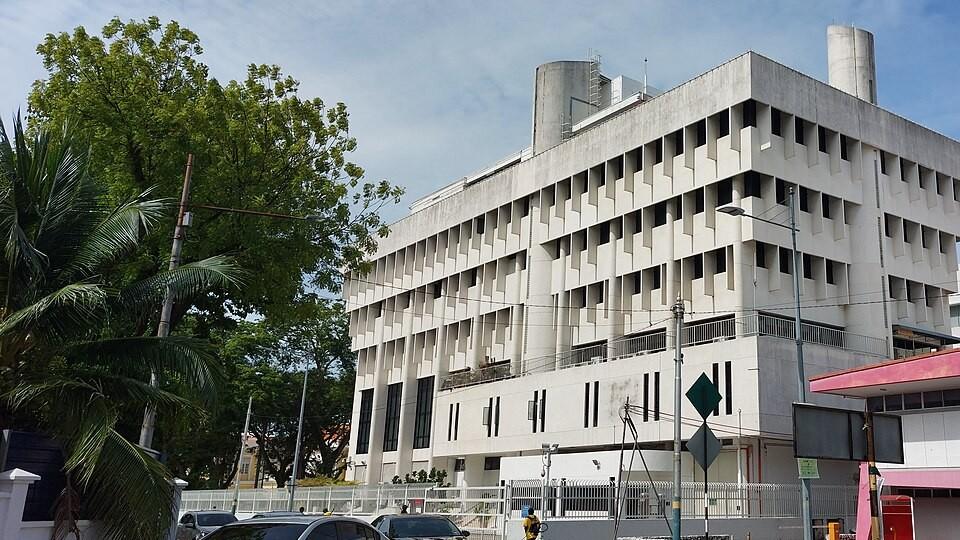
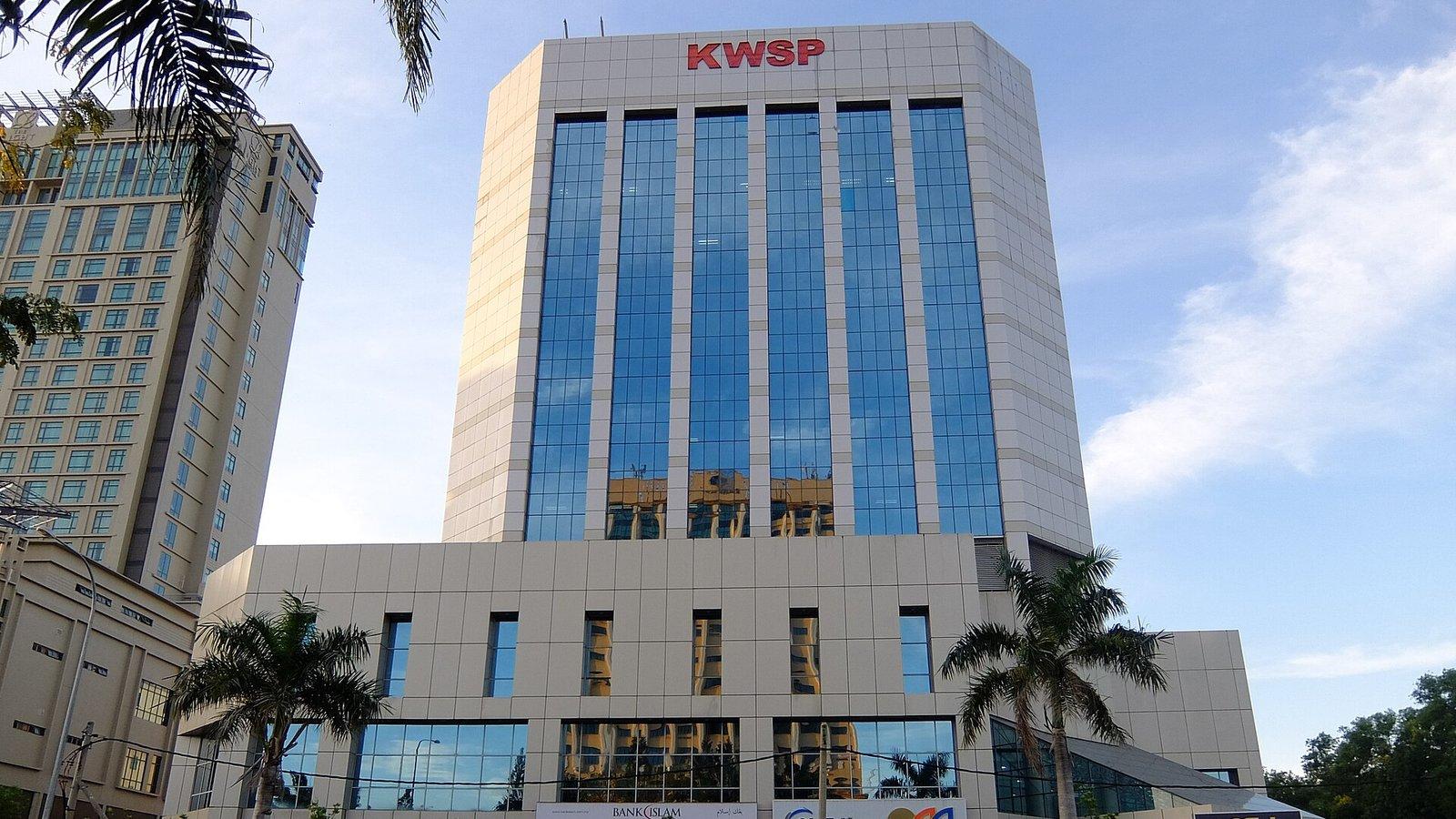
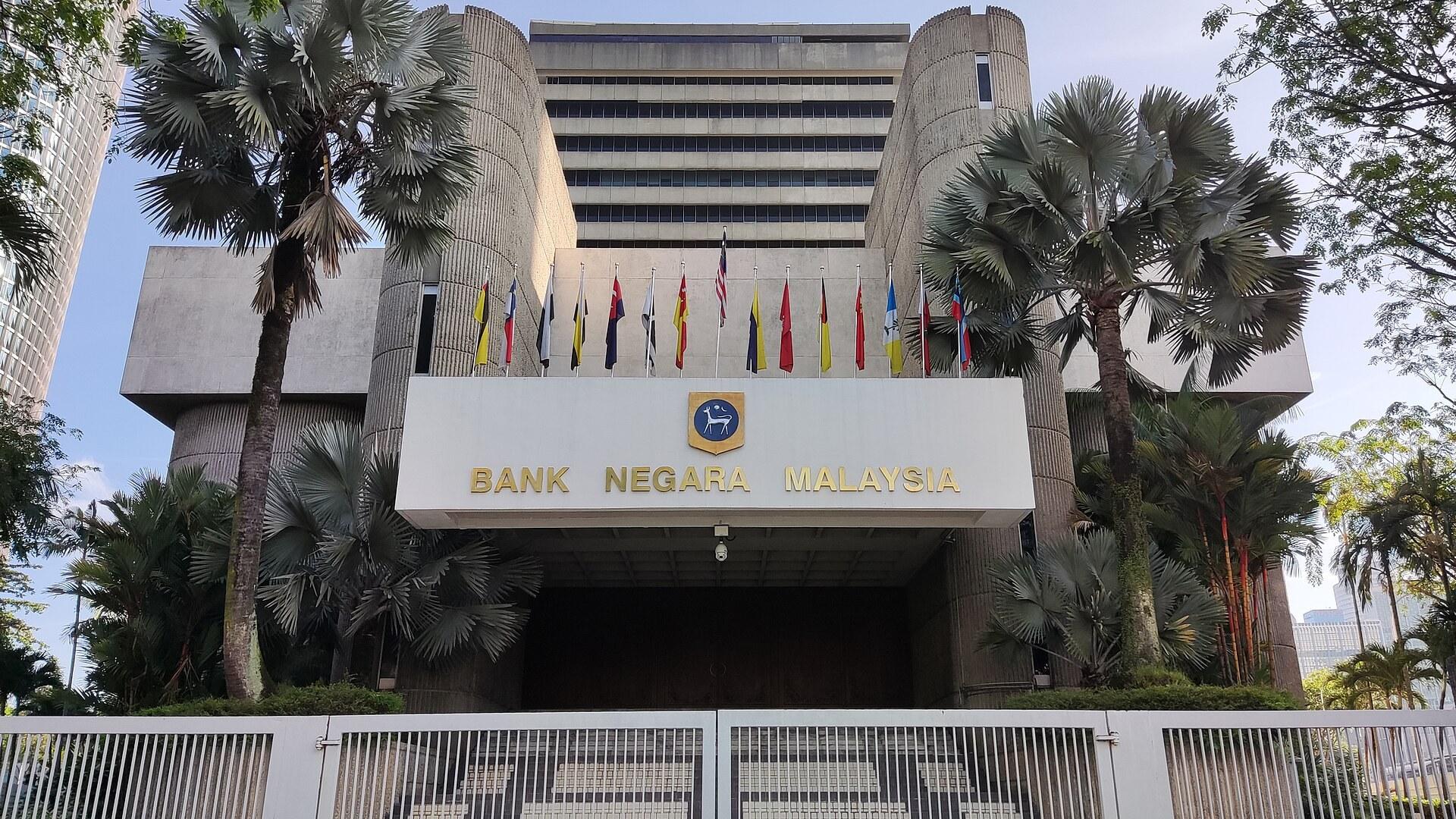
*Image: MDEC*