Why Digital Marketing Matters for Malaysian Businesses in 2026
Most Malaysian SMEs no longer have the luxury of relying purely on word-of-mouth or foot traffic — customers now discover, compare, and book services through Google searches, social feeds, and paid ads before they ever pick up the phone. A capable digital marketing or web design partner can be the difference between a business that shows up in local search results and one that's invisible next to competitors who invested early. Below are seven real, currently operating Malaysian agencies worth shortlisting, spanning SEO, paid advertising, social media, and website design.
What Malaysian agencies actually charge
Most agencies on this list quote per scope rather than publishing a rate card, which makes budgeting hard if you've never hired one before. Two of them do give away real numbers, and they're a useful anchor.
SEO.MY publishes its SEO package pricing openly: RM4,500/month (Easy), RM6,000/month (Normal), RM8,000/month (Hard) and RM10,000/month (Super Hard), with a custom "Extreme" tier above that. The tiers are priced on keyword difficulty rather than on deliverables — every package includes keyword research, a technical audit, on-page optimisation, link building and monthly reports; what changes is how competitive the keywords you're chasing are. LOCUS-T doesn't publish prices, but its enquiry form asks prospects to pick a budget band — under RM5,000, RM5,001–RM10,000, RM10,001–RM15,000, or above RM15,000 — which tells you roughly where its engagements start.
Two things that catch people out. First, paid advertising is usually billed as a management fee on top of your actual ad spend, not instead of it — an RM3,000/month retainer with an RM5,000/month Google Ads budget is an RM8,000/month commitment. Second, website builds are typically a fixed project fee, separate from any ongoing marketing retainer, so a quote that bundles both is worth breaking apart line by line before you sign.
How to choose the right agency for your situation
Match the specialism to your actual bottleneck. If people already find you but don't convert, a web design and branding studio will move the needle more than another SEO retainer. If nobody knows you exist, search and paid media come first. Agencies will happily sell you everything; the honest ones will tell you what to skip.
Check the partner badges, then verify them. Google Premier Partner and Meta Business Partner status are awarded on real spend and certification thresholds, not bought, and both are verifiable in Google's and Meta's own partner directories. LOCUS-T holds both. Statice Marketing is a certified Google Partner. Anyone claiming a badge that doesn't appear in the directory is a red flag.
Ask who actually does the work. Larger agencies pitch with senior people and staff with juniors. Ask directly who your day-to-day contact is, how many other accounts they carry, and whether content and link building are done in-house or subcontracted.
Insist on dashboard access from day one. You should have your own Google Analytics, Search Console and ads accounts, with the agency added as a user — not the reverse. If the agency owns the accounts, you lose your entire history the day you leave.
Be sceptical of guarantees. Nobody controls Google's rankings, so a promised #1 position is either meaningless (an uncompetitive keyword nobody searches) or unenforceable. A performance guarantee tied to defined, agreed metrics — as LOCUS-T advertises on its SEO work — is a different and more reasonable thing.
Budget for a real runway. SEO typically needs 3–6 months before meaningful ranking movement and many agencies ask for a 6–12 month minimum term. If you only have three months of budget, spend it on paid ads, not SEO.
Do you need "AI search" optimisation yet?
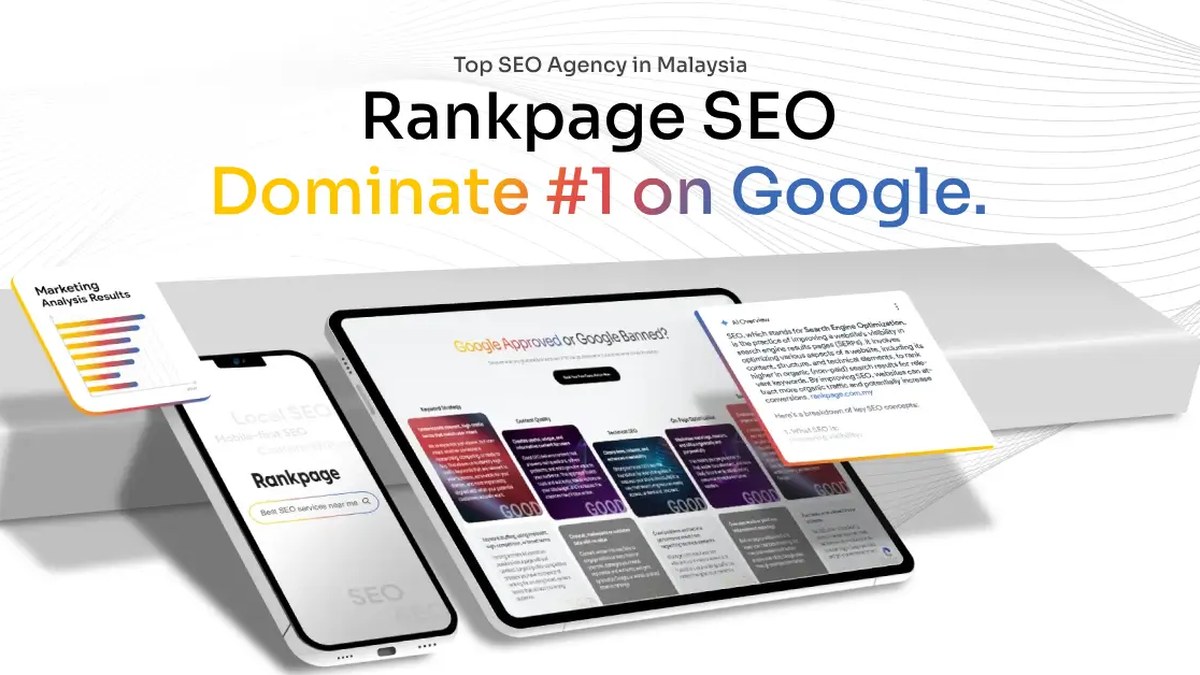
Four of the seven now sell some version of it under different names: Primal markets AI search optimisation for Perplexity, ChatGPT and Gemini; LOCUS-T lists AI SEO; MYSense sells GEO (generative engine optimisation); and Rankpage is built entirely around AEO (answer engine optimisation). All of these describe the same goal — getting your business named or cited when someone asks an AI assistant instead of scrolling a results page.
The honest starting point is that AI answers still lean on the same signals as classic SEO: a crawlable site, clear pages that answer specific questions, consistent business details, and reviews and mentions elsewhere on the web. So if your site has basic technical or content problems, fix those first; an AEO add-on on a weak site buys little. It becomes worth paying for separately when you already rank reasonably, sell something people research by asking questions (clinics, B2B services, education, travel), and want someone tracking whether AI tools actually mention you.
Which of these seven fits you
Take the whole lot together and they sort into four rough buckets. Primal and MYSense are the multi-channel picks — go there when you want one team running search, social and creative rather than coordinating three vendors yourself. LOCUS-T and SEO.MY are the search-first choices: LOCUS-T for scale and a performance guarantee, SEO.MY when you want published, predictable monthly pricing you can put in a budget line. Rankpage is the bet on where search is heading — worth a look if your customers are increasingly asking AI assistants rather than typing into a search box, though it's the youngest agency here. And Rebrand and Statice Marketing are the project-shaped options: Rebrand when what you actually need is a better website and identity, Statice when you have ad budget and want it managed transparently against clear KPIs.
Related reads
- 8 Best Digital Marketing & Web Design Agencies in Kuching, Sarawak (2026)
- 8 Company Incorporation & Corporate Secretary Services Worth Knowing in Malaysia (2026)
- 8 Coworking Spaces & Serviced Offices Worth Checking Out in KL (2026)
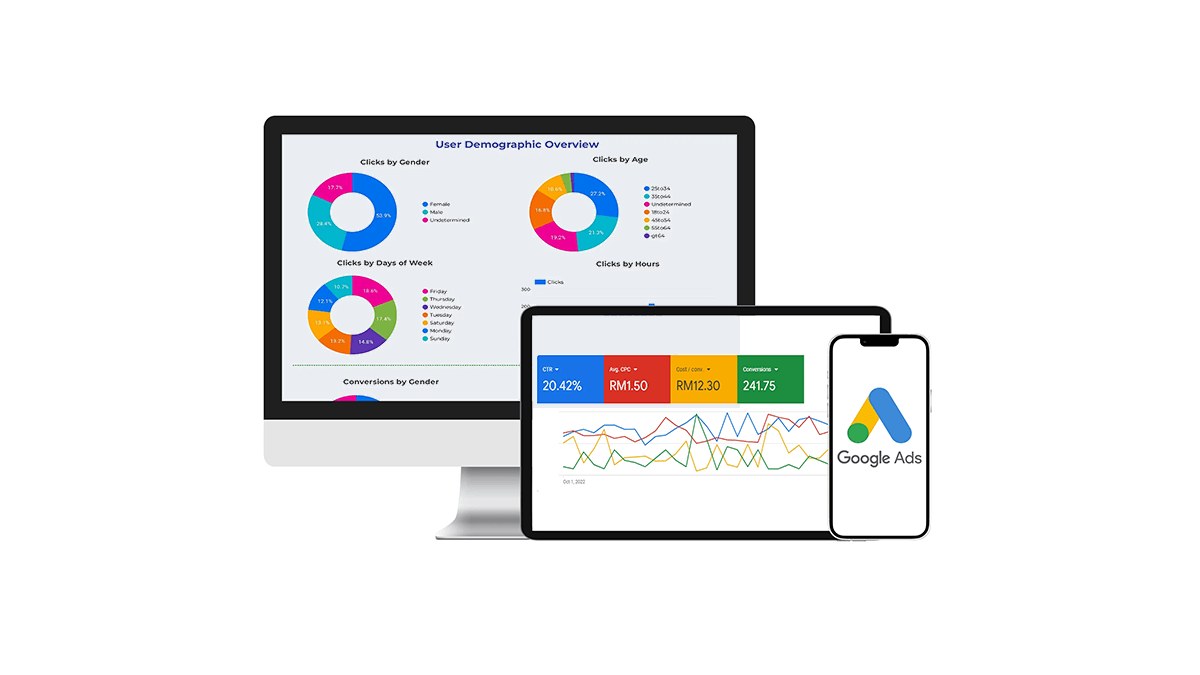
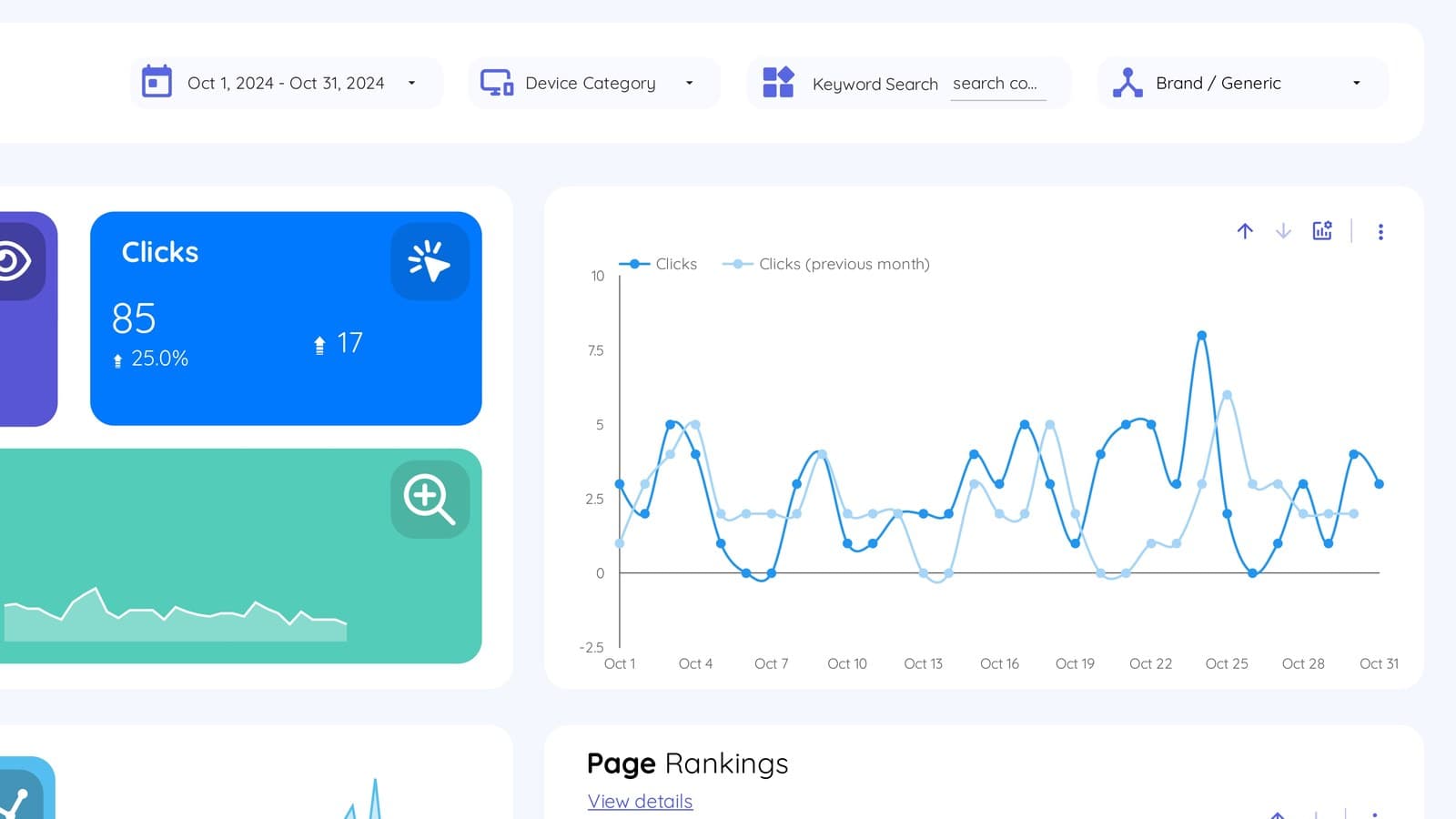
*Cover image: Looker Studio marketing dashboard — Isaac Correa Villa, CC0, via Wikimedia Commons*