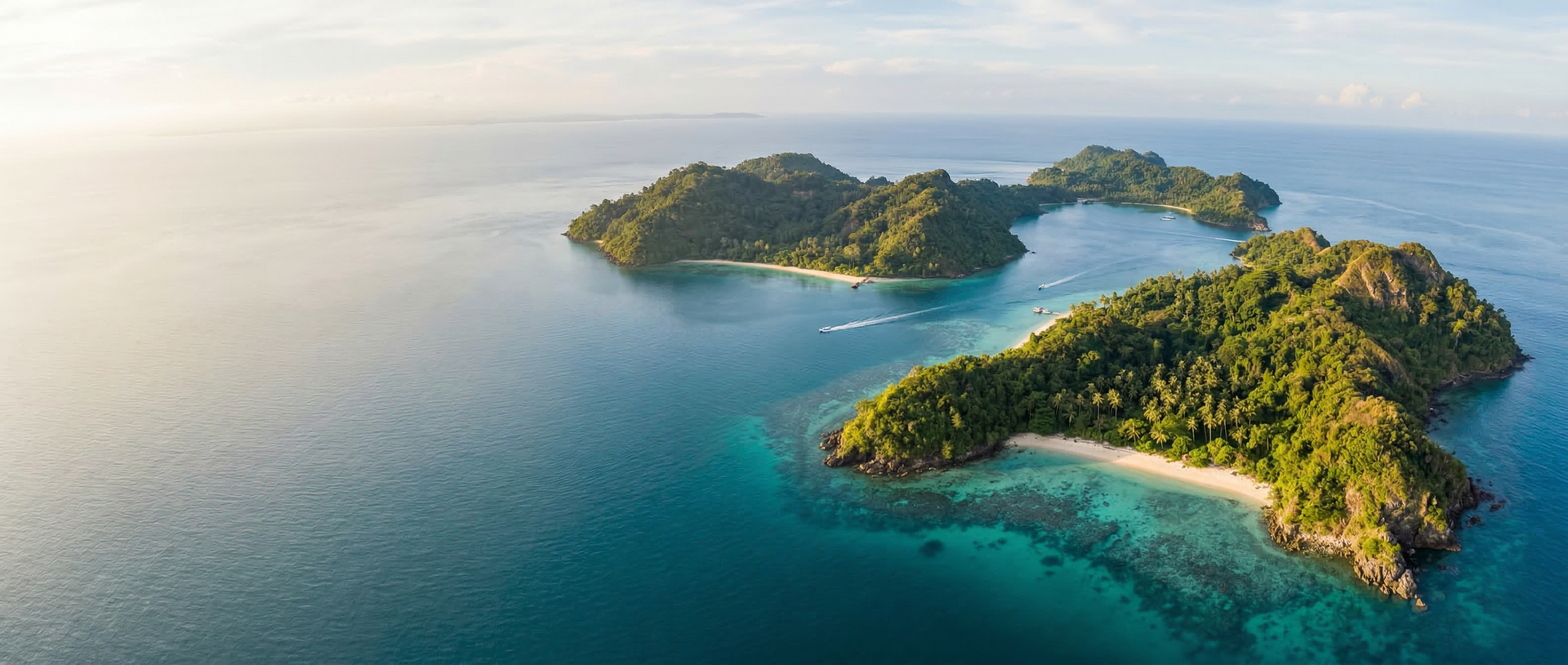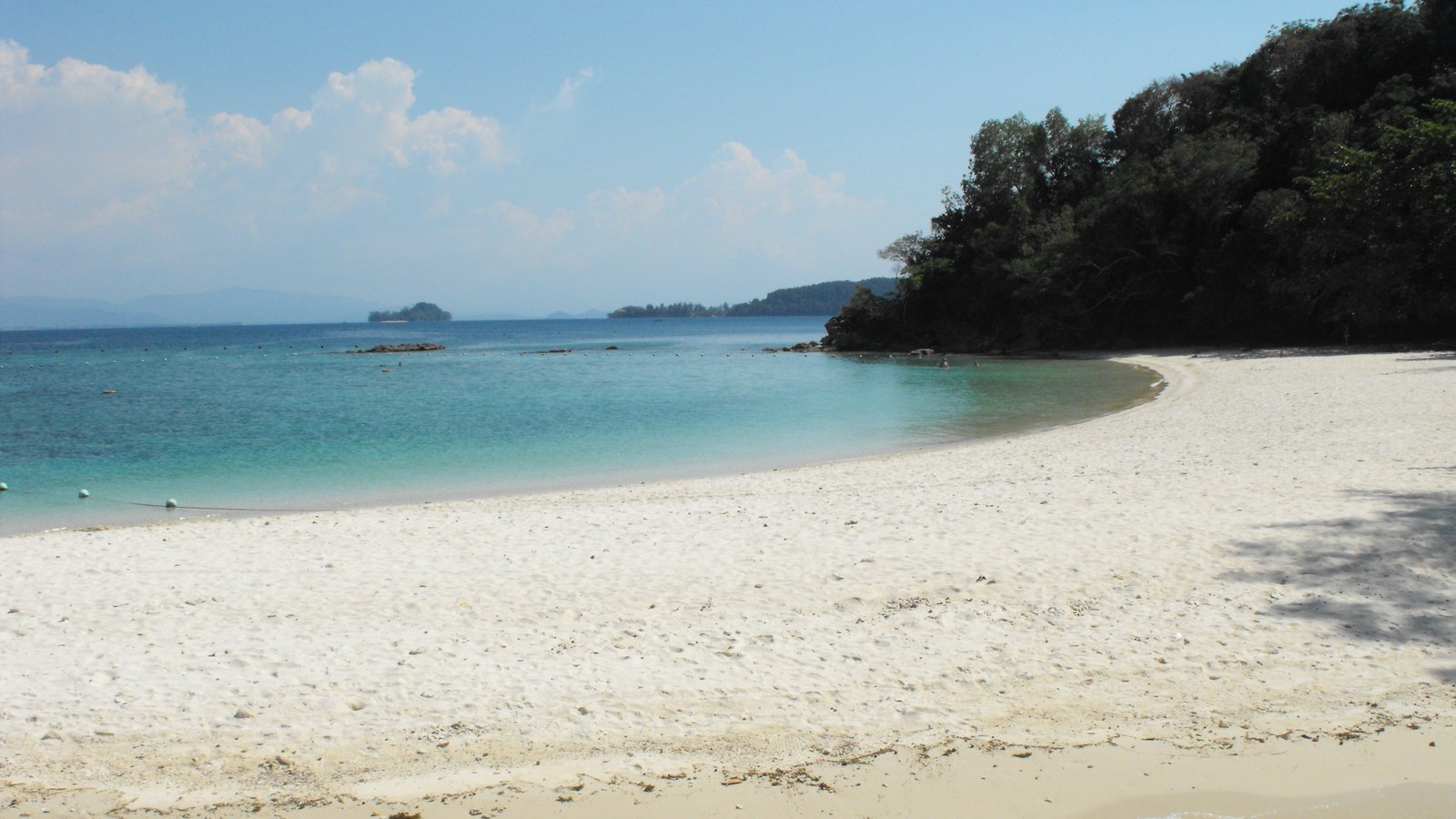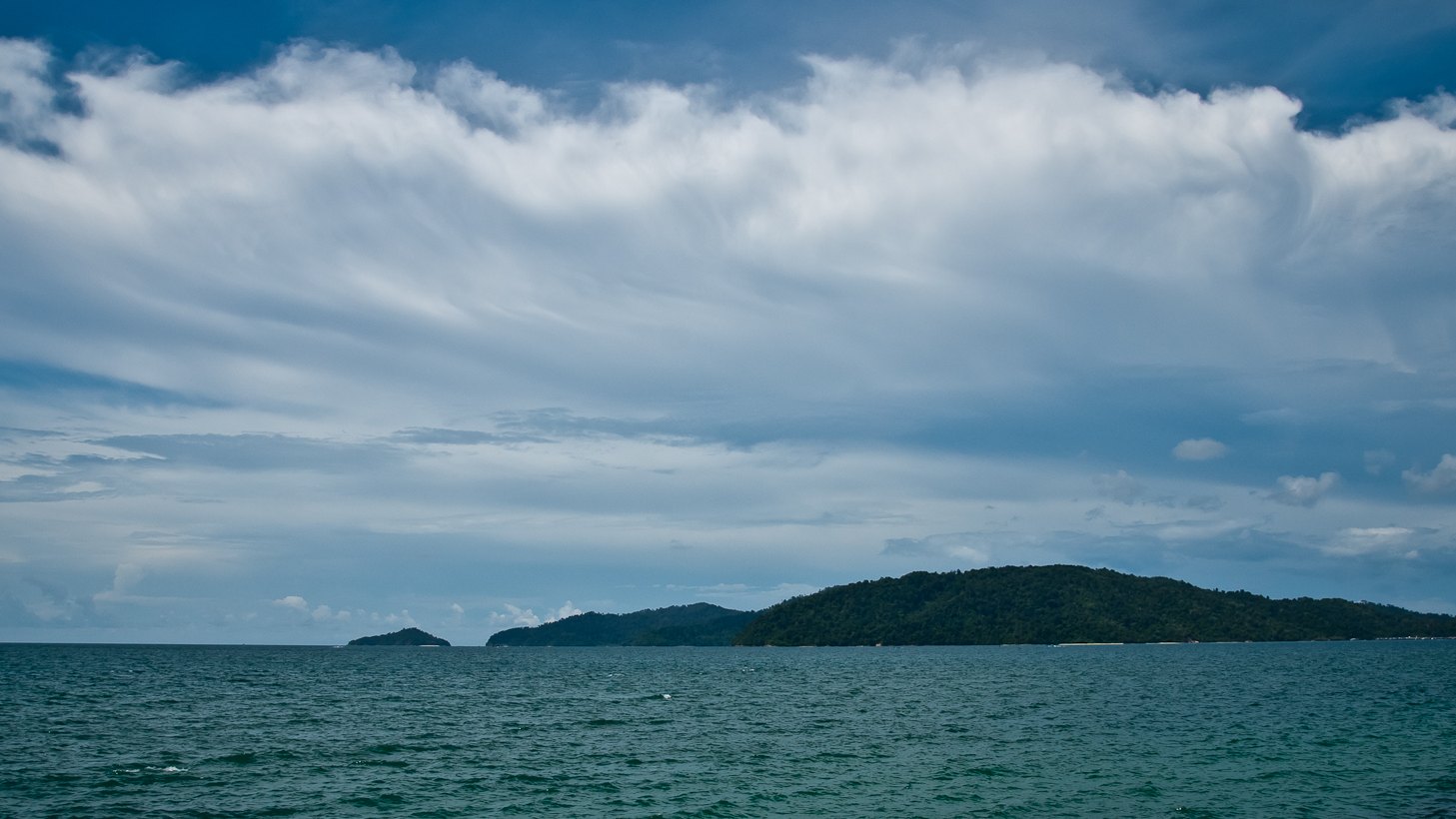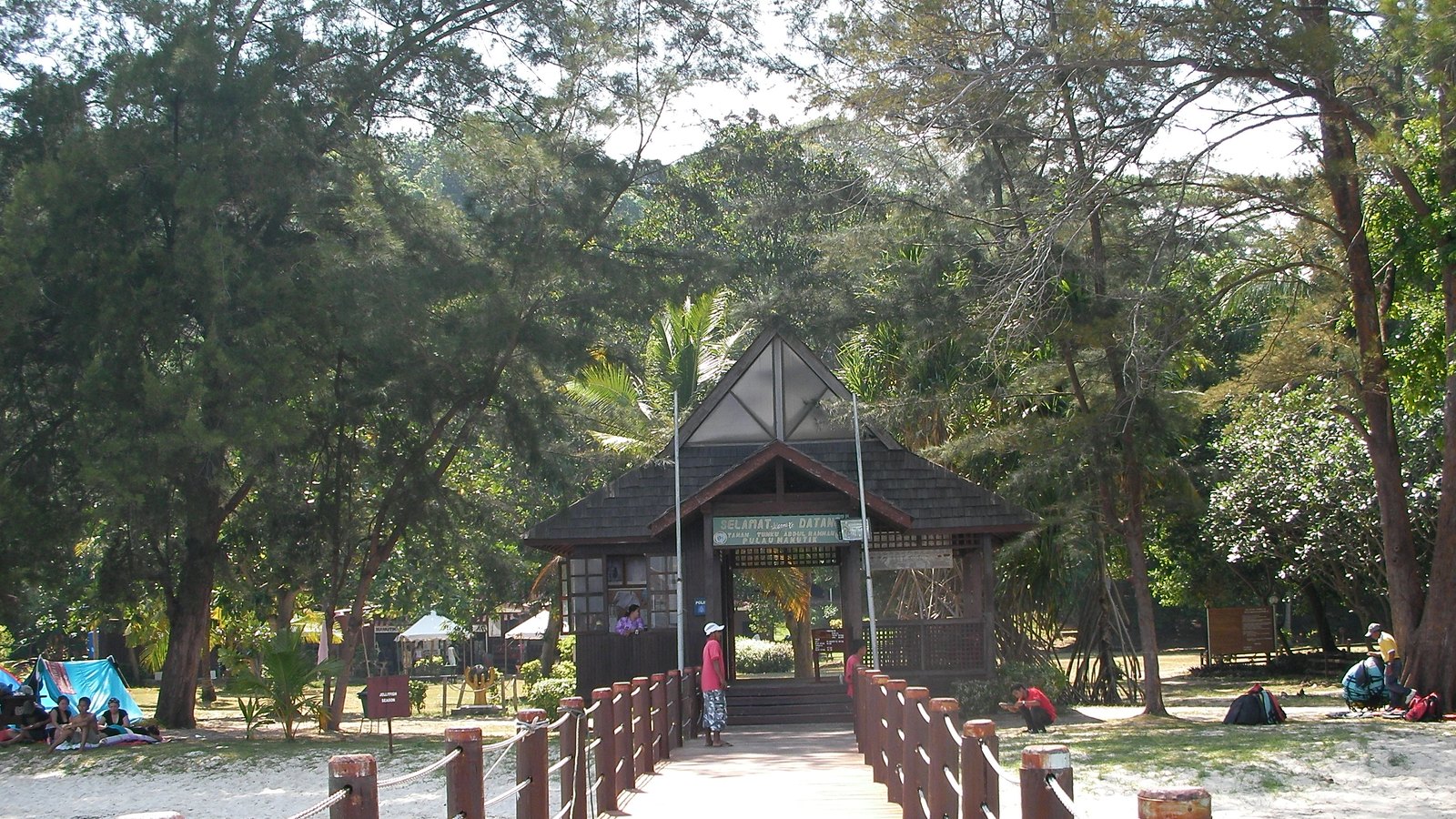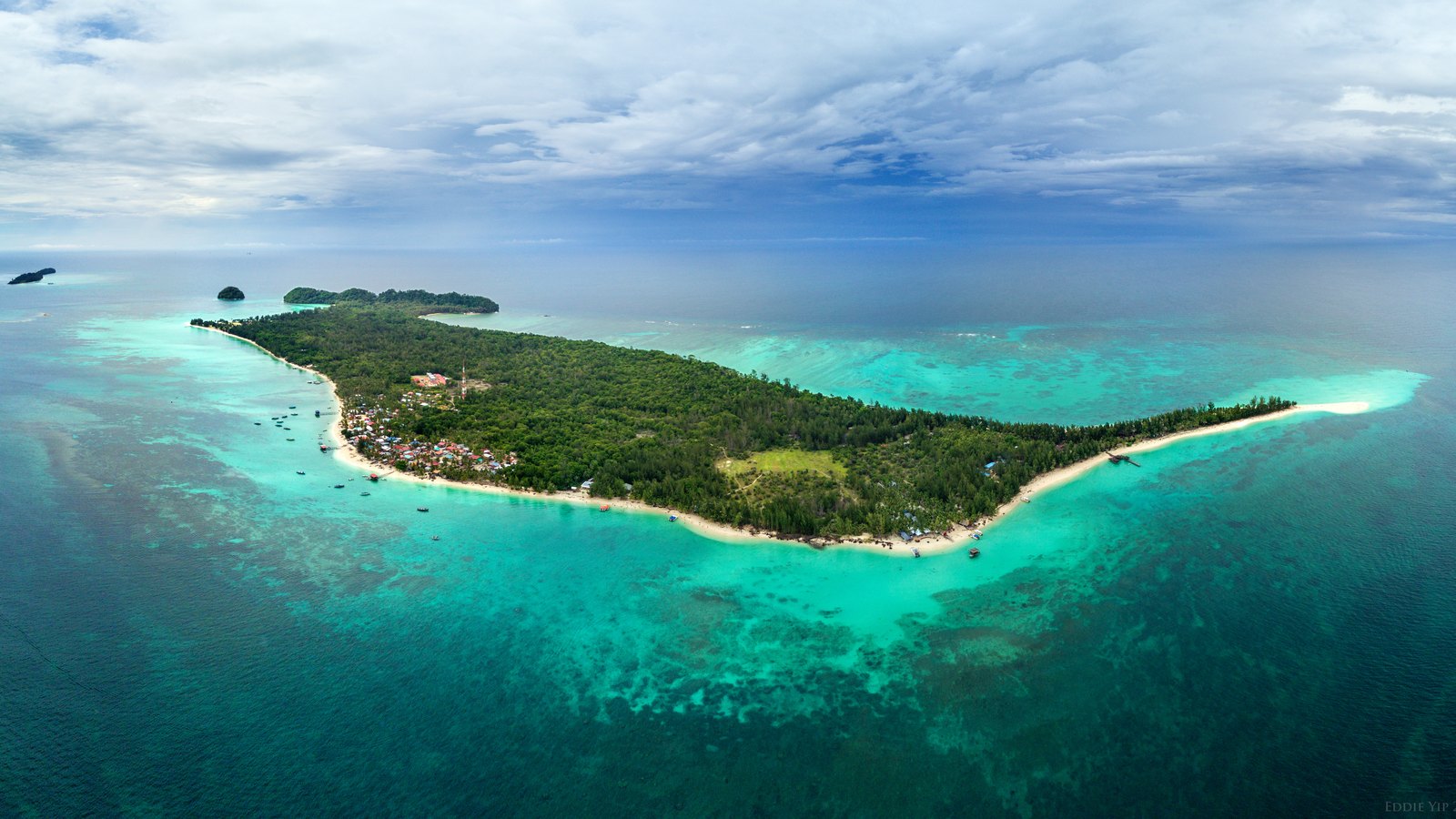
Ask anyone who's spent time in Kota Kinabalu what the city is really for, and most will point past the waterfront restaurants and night markets straight out to sea. The Crocker Range gives KK its skyline, but it's Tunku Abdul Rahman Marine Park — five islands scattered just offshore — plus a scatter of further-flung beaches and islands, that gives it its reputation as a genuine beach destination and not just a stopover before Mount Kinabalu or the dive sites of the east coast.
The good news is that most of this is more accessible than people expect. Four of the five TAR islands are a short, regular ferry ride from the city centre, with boats running on a fixed daily schedule rather than requiring a private charter. A couple of standout destinations further out — Mantanani and Pulau Tiga — take more planning but reward it with clearer water, turtles, and in Pulau Tiga's case, a mud volcano with a strange slice of reality-TV history attached. And if a boat isn't in the cards at all, Tanjung Aru Beach sits right at the city's edge, doing brilliant sunsets on demand.
One important 2026 update before you plan anything: the long-running Jesselton Point ferry terminal officially closed its old site on 1 March 2026, and island transfers now depart from the South Jetty at Kota Kinabalu Port, entered via Jesselton Quay (with a free shuttle tram from the public entrance to the actual boarding point). If you're working from an older guidebook or a saved Google Maps pin, update it before your trip.
Manukan Island — the all-rounder with real facilities
Manukan is the park's second-largest island and by a wide margin its most developed, which is exactly why it's the default choice for first-time visitors and families. Expect a proper swimming beach, shaded picnic spots, restaurants, a dive centre, and overnight chalets operated by Sutera Sanctuary Lodges — so it flexes from a quick half-day dip to a longer island stay without much extra planning. Boats leave the South Jetty roughly every 30 to 60 minutes, with the crossing taking about 20 to 30 minutes. Being the most popular island has a downside: it gets genuinely busy with tour groups around midday, so book an early morning or later afternoon slot if you want any elbow room on the sand.
Sapi Island — the reef, the beach, and the world's longest island-to-island zipline
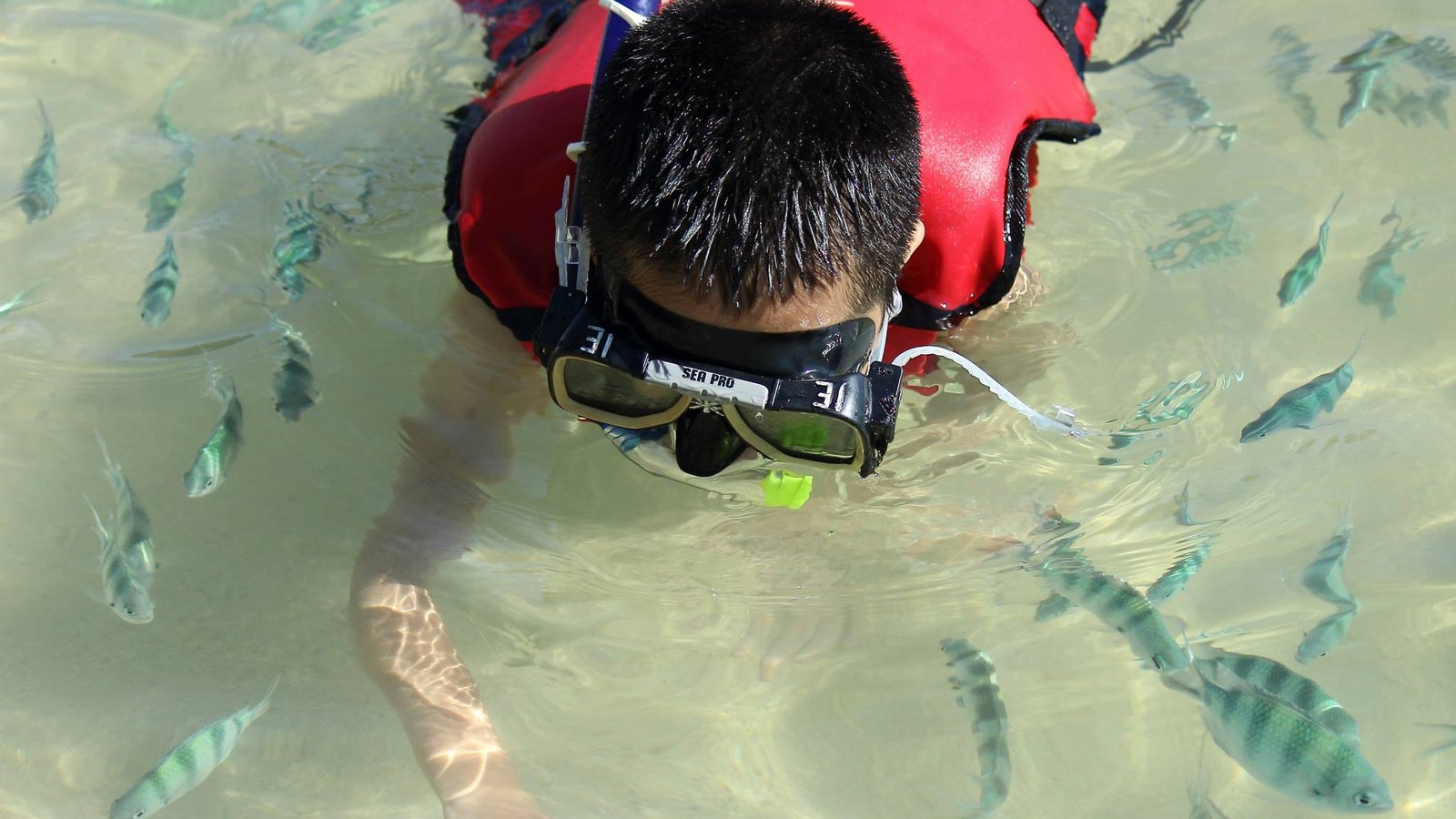
For anyone prioritising snorkelling, Sapi is the pick. Its shallow, protected fringing reef supports butterflyfish, parrotfish and anemonefish, and the water is generally the clearest of the four accessible islands. Sapi also anchors one end of the Coral Flyer — a 250-metre zipline connecting it to neighbouring Gaya Island, currently priced at around RM68 for Malaysians/PR holders and RM92 for international visitors, with tickets sold on-island. Bring your own mask and fins if you have them; rental gear is available but basic. Like Manukan, it draws heavy day-tour traffic, so an early boat is the difference between having a patch of reef to yourself and sharing it with fifty other snorkellers.
Gaya Island — jungle trails, dive centres, and the quieter side of the park
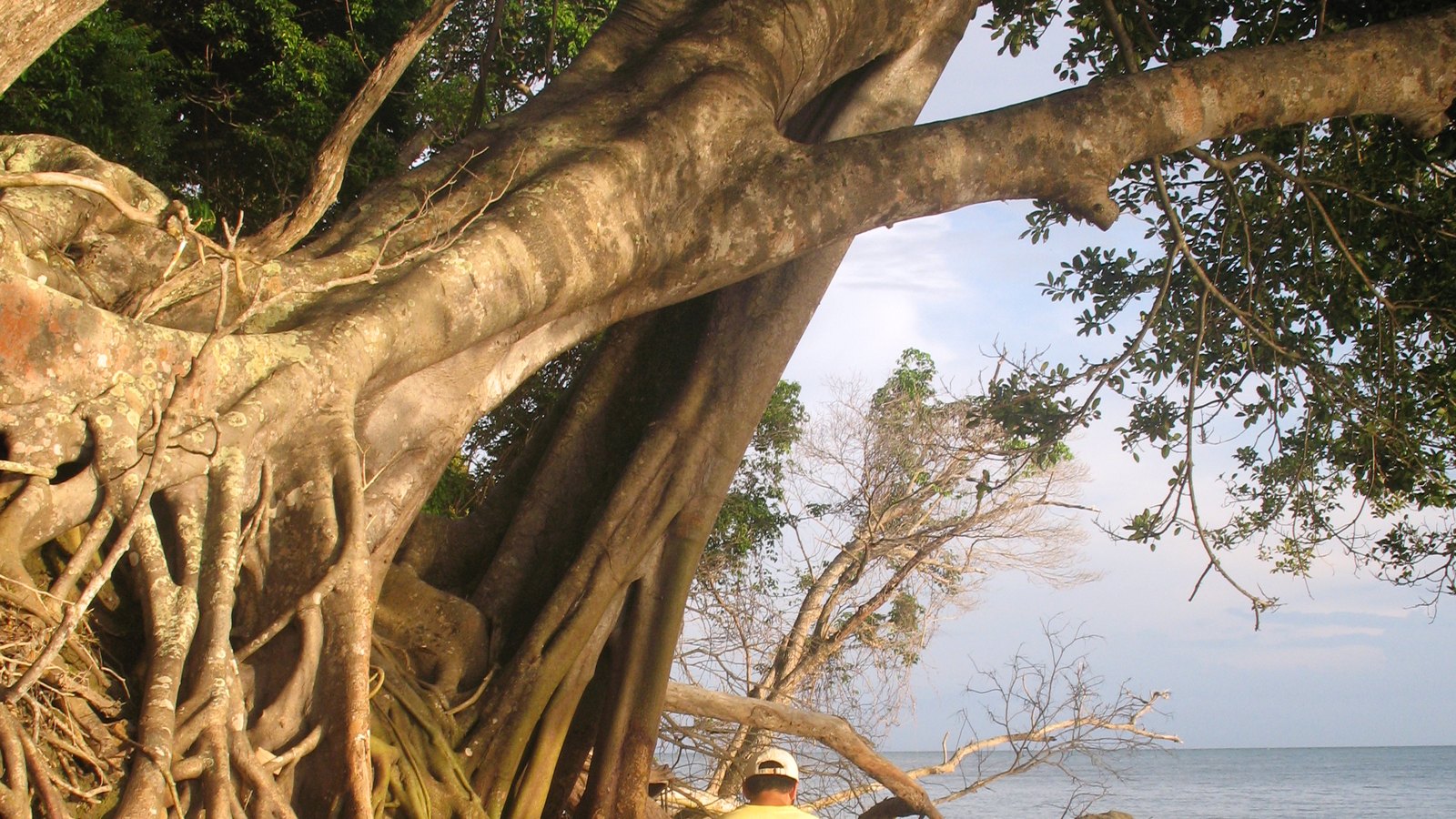
Gaya is the largest island in the park and feels like a different destination entirely — mostly rainforest rather than one packed public beach, with jungle boardwalks, mangrove fringes, and a handful of resorts and dive operators rather than mass day-tour infrastructure. PADI outfits including Downbelow Marine & Wildlife Adventures run dive and snorkel operations from here, offering guided trips, try-dives and full certification courses on the surrounding reefs. It's also the far end of the Coral Flyer zipline from Sapi. If your idea of a good island day includes a forest walk and an unhurried lunch as much as time in the water, Gaya is the one to build a full day around rather than treat as a quick stop.
Mamutik Island — the smallest and quietest of the four
At roughly 15 acres, Mamutik is the smallest island in the marine park and consistently the least crowded, which makes it the pick for travellers who'd rather skip the group-tour energy of Manukan and Sapi. The beach is compact — around 200 metres of sand — but pleasant, and the surrounding reef, also used as a training site by Borneo Divers, has healthy coral and a solid range of reef fish. It's the shortest boat crossing of any of the islands from the jetty, which makes it an easy second stop if you're combining two islands in a day rather than a destination to build an entire day trip around on its own.
Mantanani Island — sandbars, turtles and clearer water further out
Reaching Mantanani takes real commitment: roughly two hours by road from KK to Kuala Abai jetty in Kota Belud, then another 45 to 60 minutes by speedboat. That's a full-day trip, not a quick jetty-hop, but the payoff is water noticeably clearer than the city's closer islands and a genuinely good chance of snorkelling alongside green turtles. The group comprises three islands — Mantanani Besar, Mantanani Kecil and Pulau Lungisan — and is popular with both general day-tour operators and dedicated dive shops running longer-stay packages. A typical day tour includes hotel pickup, the coach transfer to the jetty, lunch on the island, and several snorkelling stops across the day. Sea conditions can force cancellations or early turnarounds, so if this is a trip highlight rather than a nice-to-have, build in some schedule flexibility.
Pulau Tiga (Survivor Island) — mud volcano and a slice of TV history
Pulau Tiga owes its name recognition to being the filming location for the first season of the reality show Survivor, and it sits off Kuala Penyu, about a 25-minute boat ride from Papalu Villa on the mainland. Day tours — often paired with a Klias River cruise for wildlife spotting — typically combine a short jungle walk, a soak in the island's natural mud volcano, and snorkelling around its reef and neighbouring Snake Island. One practical note for 2026: as of 1 January, single-use plastic bags are banned across all Sabah Parks, so pack a reusable bag. Recently published fees put the island entrance charge at around RM20 and the mud-bath experience at around RM10, on top of whatever your tour operator charges for the transport.
Tanjung Aru Beach — no boat required, just show up for sunset
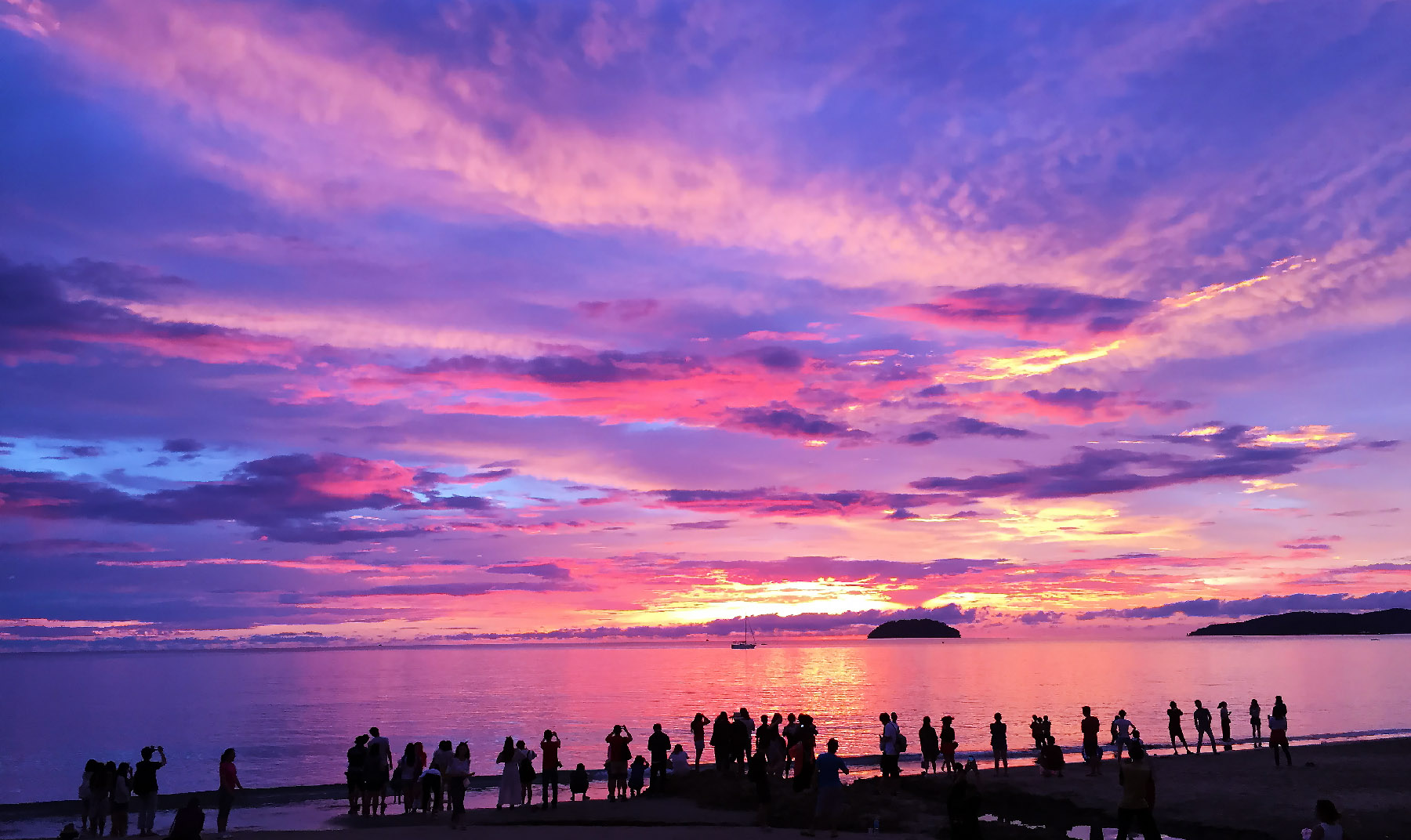
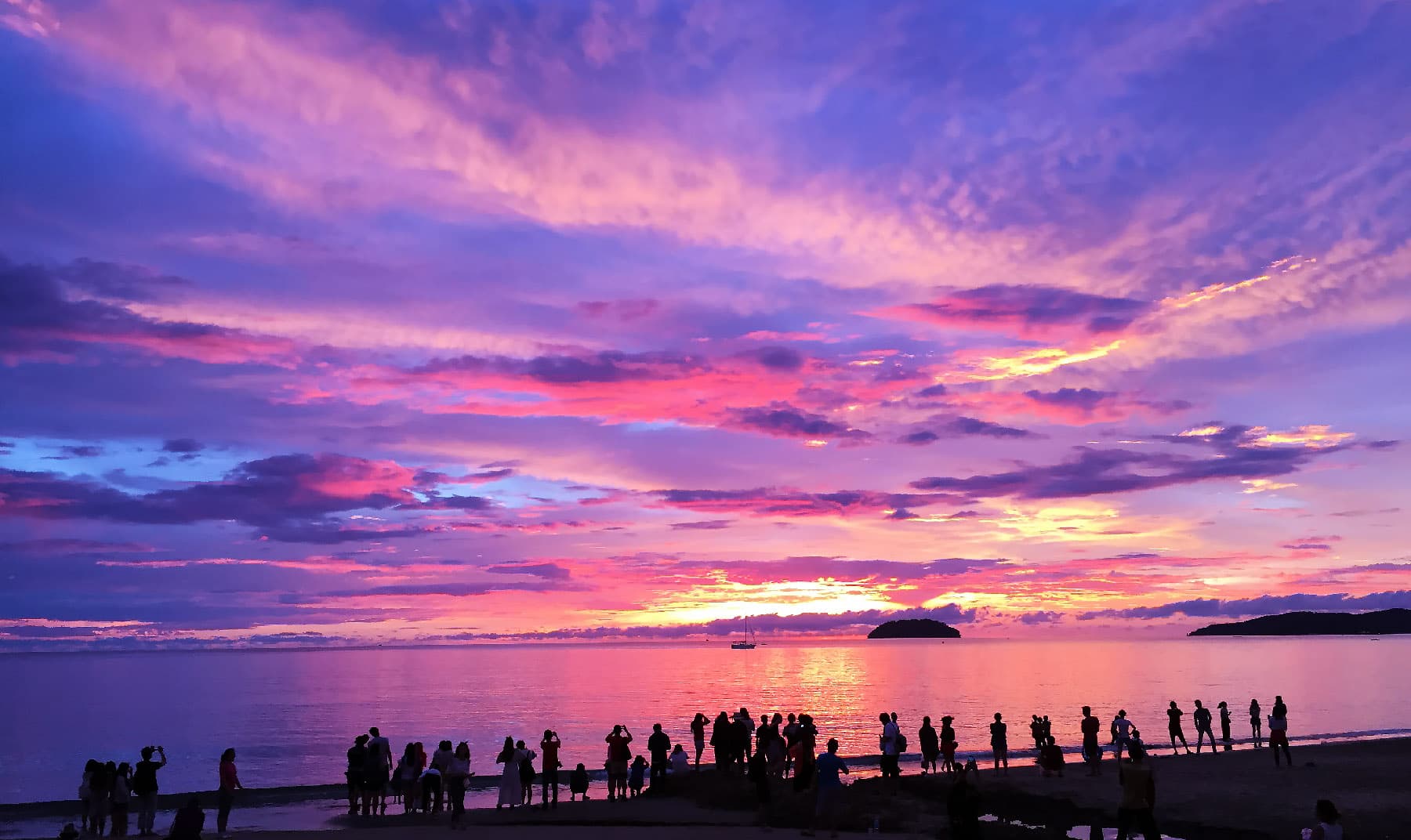
Not every good beach outing in KK needs a jetty at all. Tanjung Aru, on the city's western edge, is a free, 24-hour public beach that's repeatedly ranked among the world's best sunset spots — the sky moves through its full colour range in the last half hour before dark, no filter needed. The water is shallow and calm, better for a wade than serious swimming, and the real draw in the evening is as much social as scenic: hawker stalls and a small night market spring up as the crowd builds, so plan to stay for dinner rather than leave right after the sun drops. Visit on a weekday if you actually want space on the sand — weekends get properly packed.
Guided diving & snorkelling day trips — for when you want it organised
If juggling ferry timetables, entrance fees, and gear rental isn't your idea of a relaxing day off, Kota Kinabalu has a cluster of established PADI dive operators happy to handle it for you. Downbelow Marine & Wildlife Adventures, with centres on both Gaya and Manukan islands, is one of the longer-running names, running day trips that fold transport, snorkelling or dive sessions, lunch and guiding into a single booking. These are worth it for solo travellers, non-swimmers who still want to see the reef up close, or anyone wanting a proper taste of diving before committing to a full course. Multi-island snorkelling packages bundling two or three TAR islands into one day are also sold widely through agencies around Gaya Street and the South Jetty area — since inclusions and quality vary a fair bit between operators, it's worth comparing a couple of quotes before handing over a deposit.
What it actually costs to enter the marine park
Almost every quoted island-hopping price you'll see online is the *boat* price. On top of it, Sabah Parks charges a separate entrance fee, paid at the jetty of the first island you land on, and it covers the park for that whole day rather than per island. As published on the official Sabah Parks site, the current rates are:
| Category | Fee (per person, per day) | | --- | --- | | International, 18 and above | RM25 | | International, 17 and below | RM20 | | International, 60 and above | RM20 | | Malaysian, 18 and above | RM8 | | Malaysian, 13 to 17 | RM5 | | Malaysian 12 and below, 60 and above, and persons with disabilities | Free |
Two things worth flagging, because widely-copied travel blogs still get them wrong. First, the Malaysian adult rate is RM8, not the RM5 figure that circulates on aggregator pages — check the official site rather than a listicle if you're budgeting to the ringgit. Second, this is separate again from the jetty terminal fee and from your return boat ticket, so a Malaysian adult doing a two-island hop should plan for boat + terminal + RM8, not just the headline boat price. The park itself is open 8am to 5pm daily, which is the real constraint on how late a last boat back can be.
Final Word
The island-hopping math in Kota Kinabalu is genuinely simple once you know the layout: four TAR islands within a short, scheduled ferry ride for anyone with half a day and no fixed plans, two further-flung options — Mantanani and Pulau Tiga — for travellers with a full day and a taste for clearer water or a stranger story, and Tanjung Aru for anyone who wants the classic KK beach moment without touching a boat at all. Just remember the 2026 jetty relocation to the South Jetty before you set off, skip Sulug from your itinerary since it isn't open to the public, and book Mantanani and Pulau Tiga a little ahead of time given how weather-dependent both crossings are.
Related reads
- Best Things to Do in Kota Kinabalu, Sabah — what fills the days you're not on a boat
- Best Seafood Restaurants in Kota Kinabalu — where to eat after a day in the sun
- Family Attractions for Kids in Kota Kinabalu — the land-based backup plan when the sea is rough