Laksa In The Klang Valley Isn't One Dish — It's Three
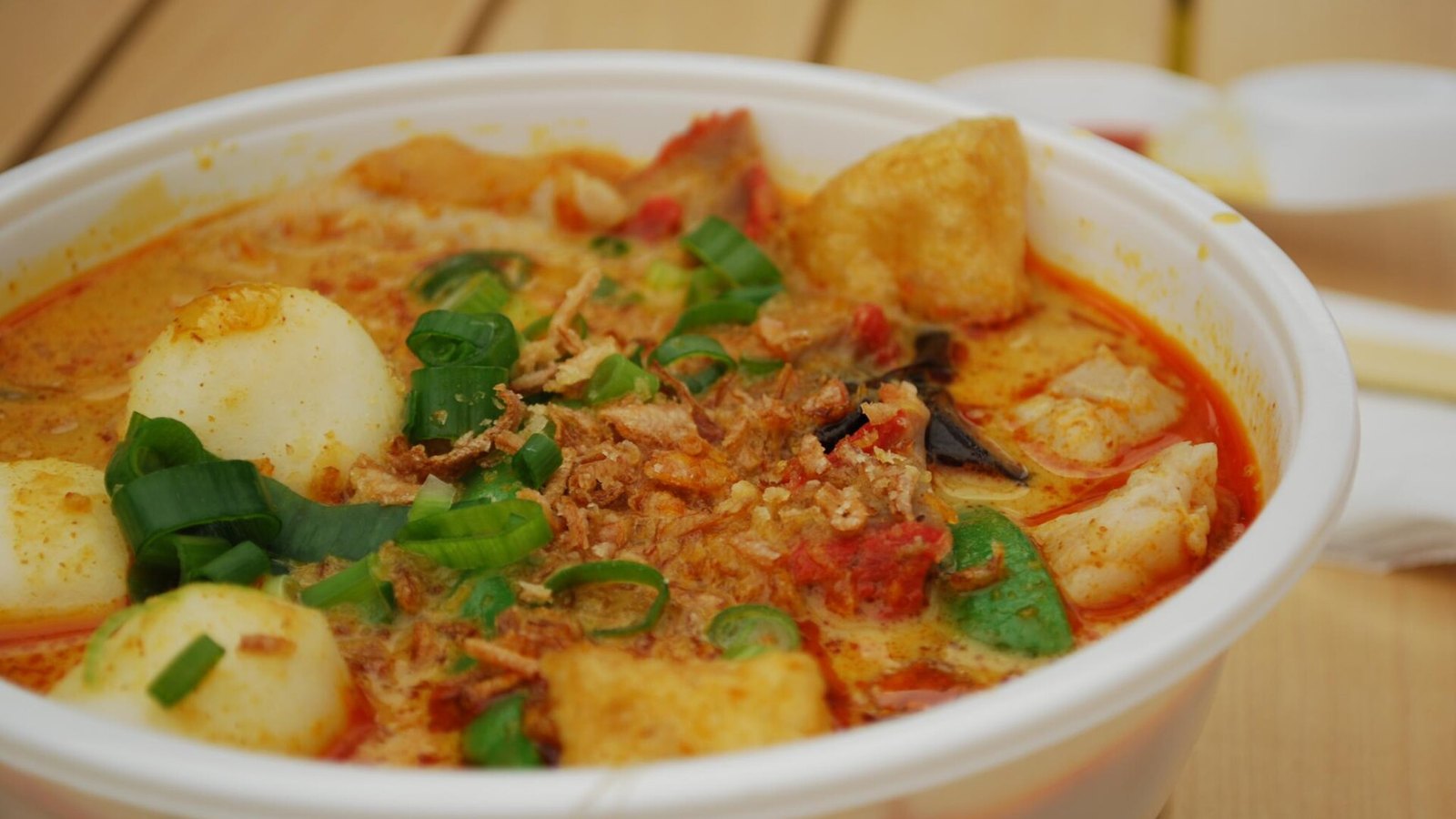
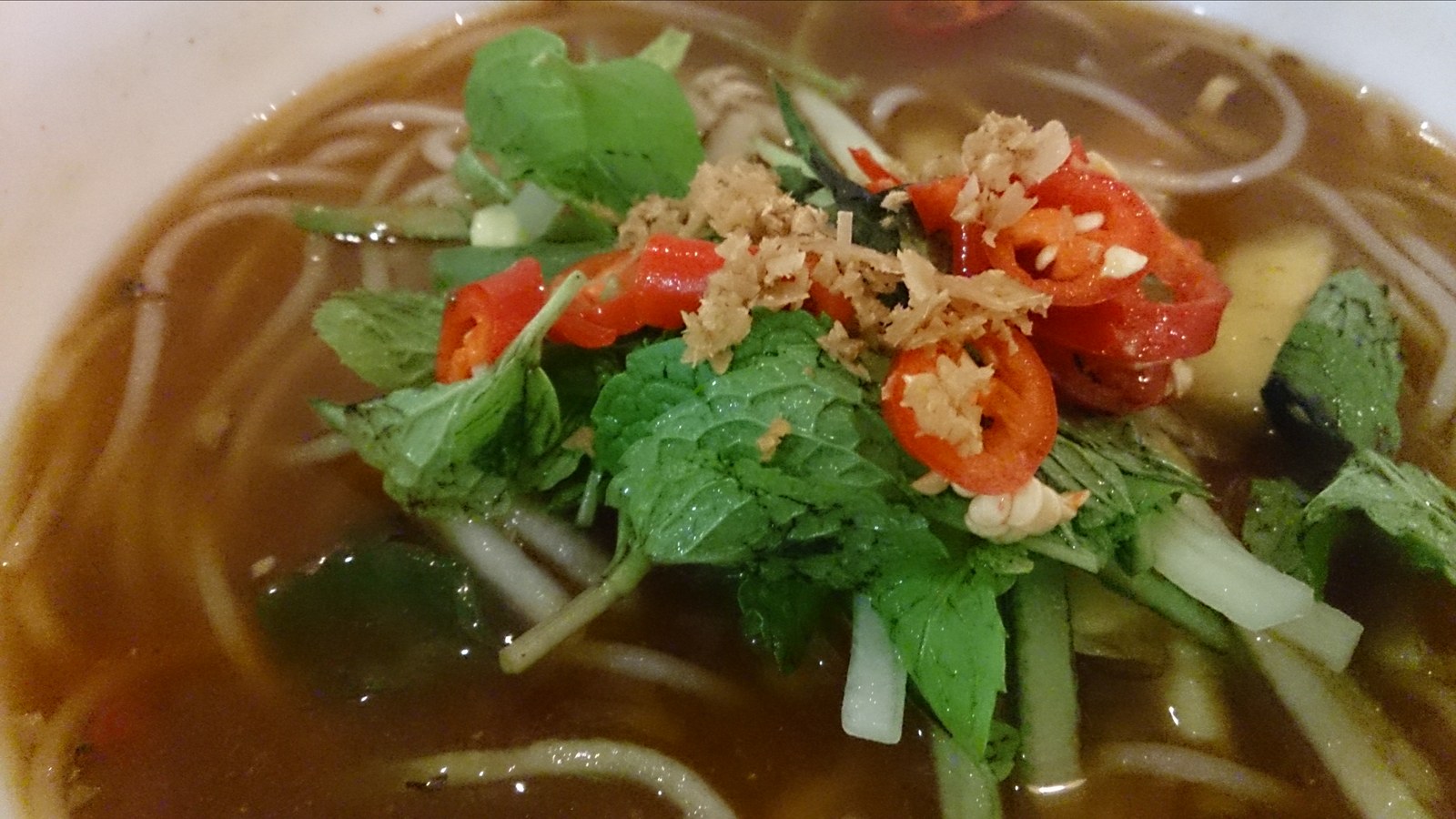
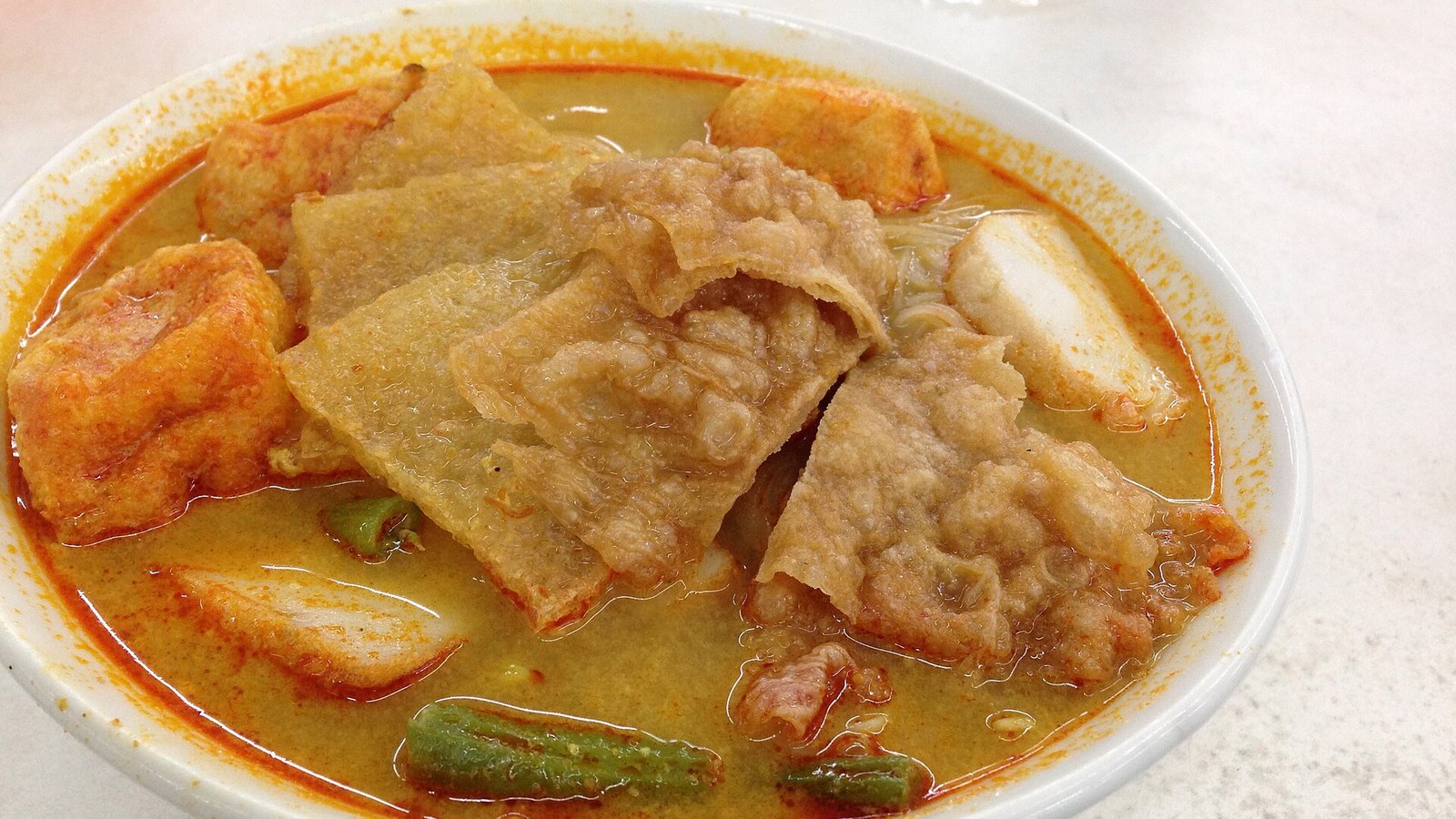
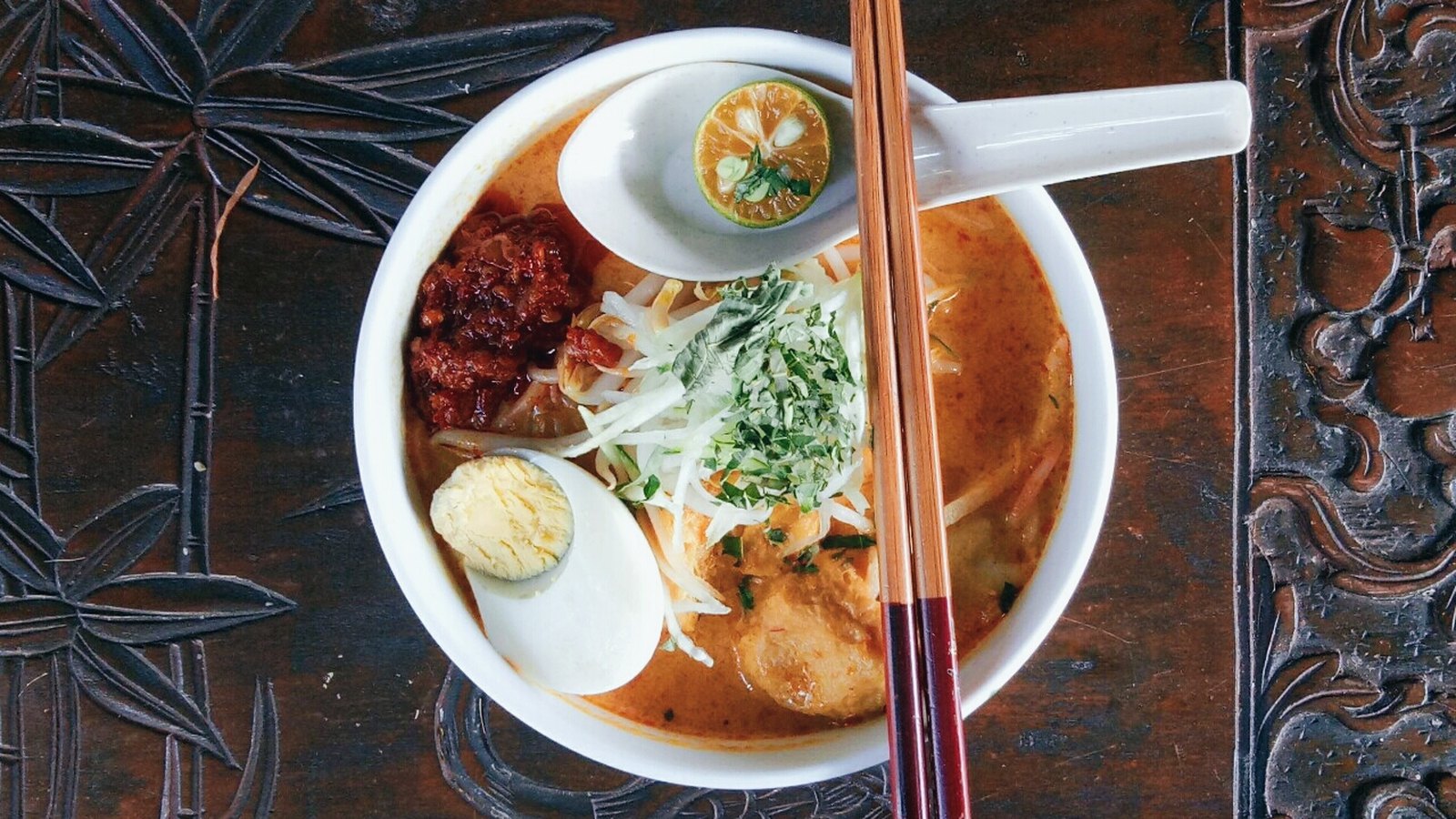
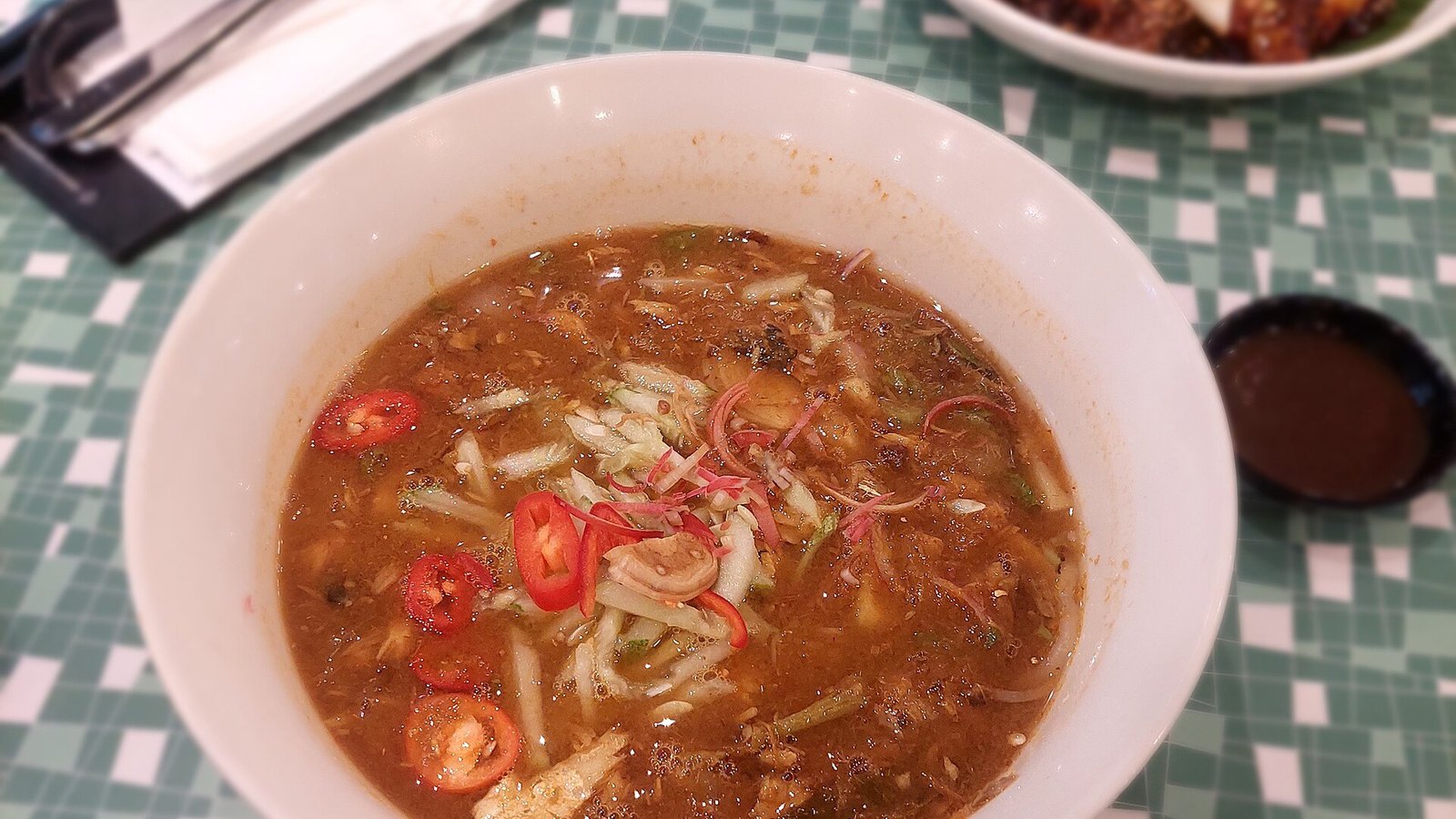
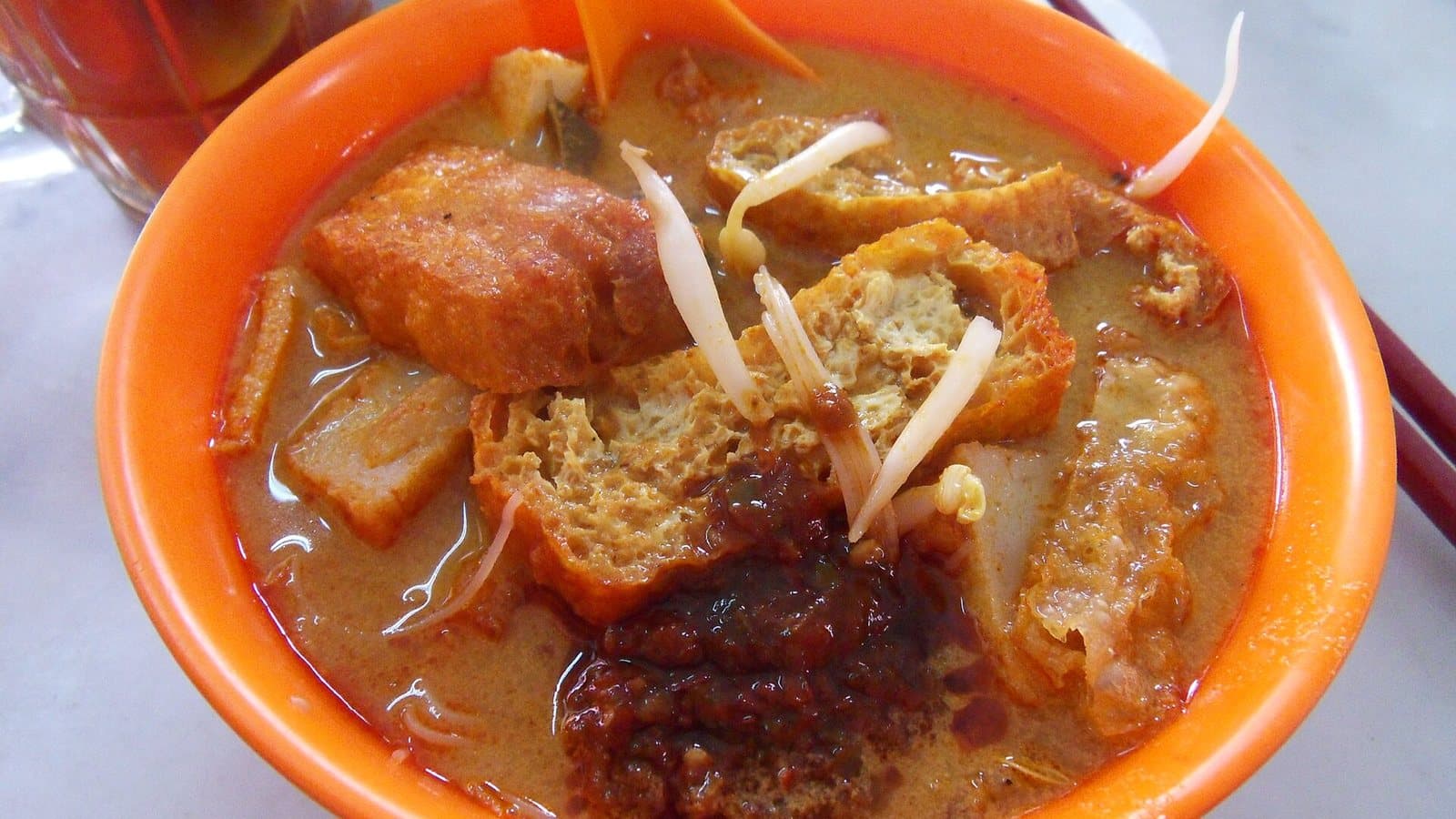
Say "laksa" in KL or PJ and you'll get three completely different bowls depending on who's cooking. Curry laksa is the coconut-milk-and-curry-powder broth most Klang Valley locals mean by default — thick, orange-red, loaded with tofu puffs, cockles and either chicken or pork depending on the stall. Asam laksa is the tangier, tamarind-and-fish broth associated with Penang but sold widely across KL and PJ by operators who've built their own local following, usually topped with shredded mackerel, pineapple, mint and a dab of prawn paste. Then there's Nyonya laksa lemak, the Peranakan version — richer and more herbal than standard curry laksa, built on a paste of galangal, turmeric and dried chilli simmered for hours, traditionally a Baba-Nyonya home recipe rather than a hawker-stall shortcut. All three show up on this list, because a proper Klang Valley laksa trail has to cover all three, not just whichever one happens to be trendiest.
Market Stalls, Food Courts And One Sit-Down Kitchen
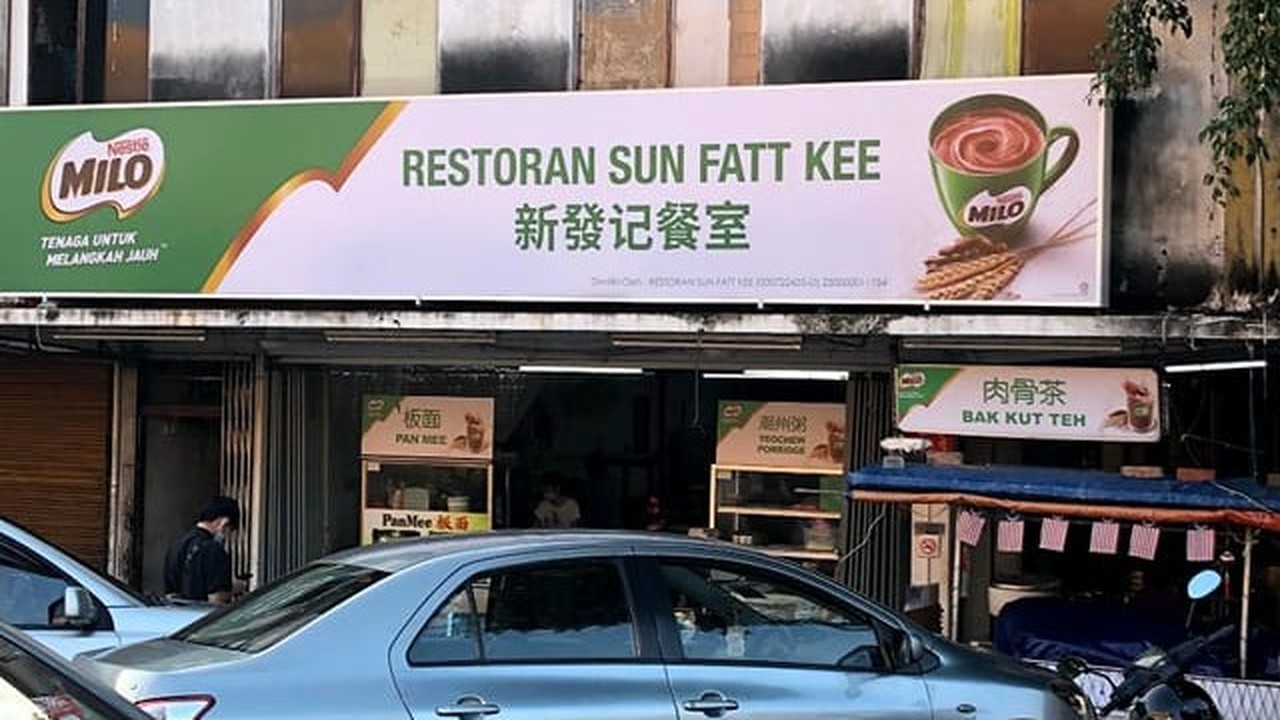
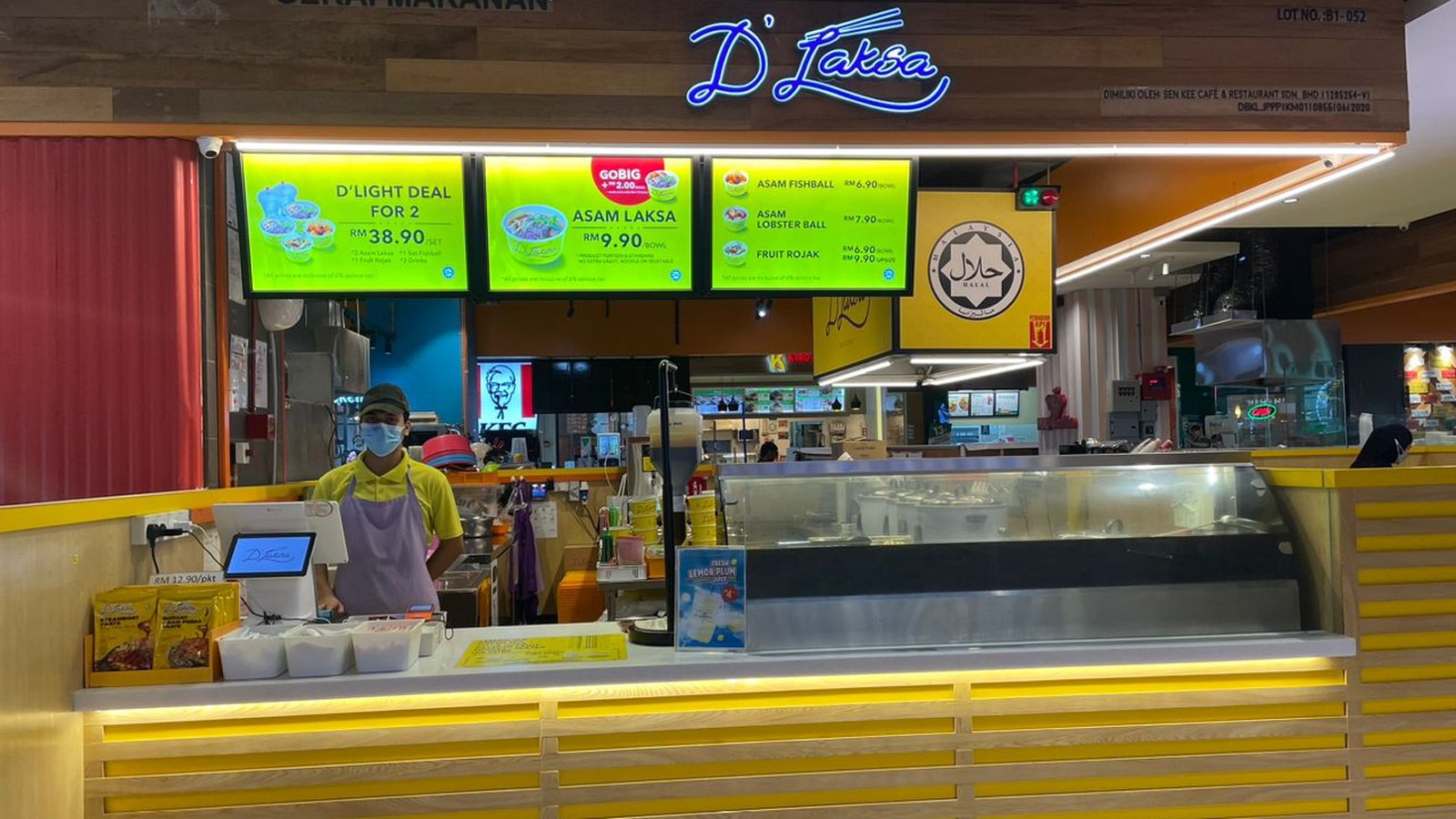
The spots below span a real range of operating styles. Several are old-school hawker stalls tucked into wet markets or coffee shops — the kind where the recipe hasn't changed in decades because the same family, or the same two ageing brothers, still work the pot every morning. Others operate out of shared food courts (medan selera), where a single stall builds its name inside a hall of a dozen competitors. One entry is a night-only roadside operation that doesn't even open until after dark. And one is a proper sit-down restaurant — a Michelin-recognised Peranakan kitchen where the laksa is one dish on a fuller menu, cooked from a paste that takes hours, not minutes, to build. Knowing which kind of operation you're walking into changes what to expect: a market stall bowl arrives in five minutes and gets eaten standing at a plastic table, while the restaurant version is a sit-down order alongside otak-otak and beef rendang.
Reading The Broth: What Separates A Good Bowl From A Great One
The tells are broadly consistent across styles. For curry laksa, look for a broth that's been built on real coconut milk rather than thickened with flour or coconut cream shortcuts — it should coat the noodles rather than sit thin and separated, and the chilli oil on top should smell toasted, not just red. Cockles matter more than most diners realise: plump, fresh ones are a strong tell that a stall turns over its ingredients daily rather than stockpiling. For asam laksa, the giveaway is balance — enough tamarind sourness to cut through the fish, but not so much that it overwhelms the mint and pineapple garnish, with shredded mackerel that's been properly flaked rather than left in chunks. Nyonya laksa lemak sits somewhere between the two: creamier and more herbal than curry laksa, with a paste-forward complexity that takes longer to make and shows in the depth of flavour rather than the amount of chilli oil floating on top.
Planning A Laksa Trail Across KL And PJ
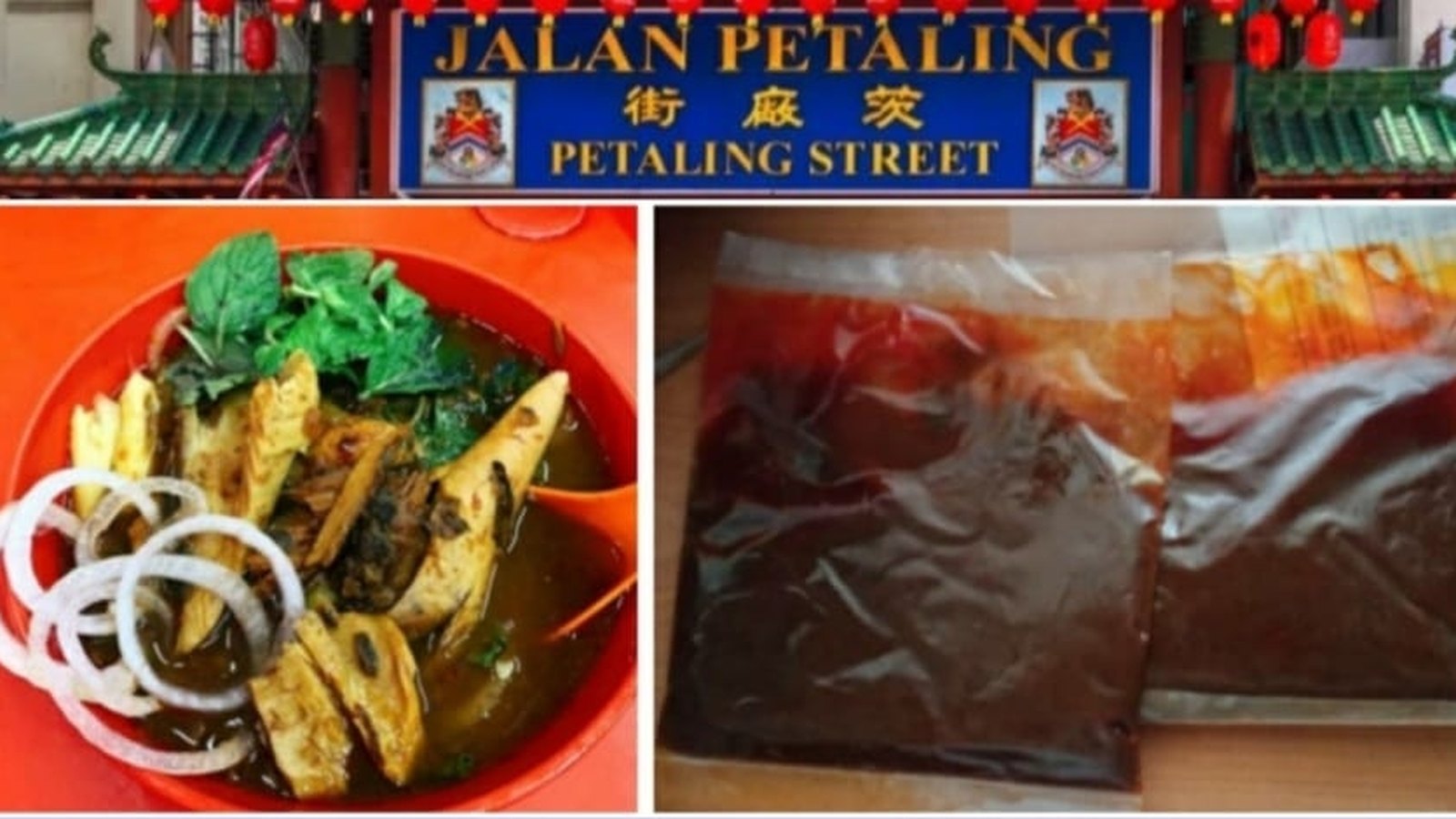
These eight spots cluster into a few practical zones rather than being scattered evenly across the Klang Valley. KL's Chinatown/Petaling Street area holds two of the oldest stalls within a few minutes' walk of each other, making it an easy single-morning stop, while Chow Kit adds a very different, sit-down option nearby. PJ has the bulk of the list, split across four separate neighbourhoods — Taman Paramount, Section 14, Sea Park and SS2 — so a PJ-only laksa crawl means a Grab or a car between stops rather than a walking tour. Because most of these are breakfast-and-lunch operations that close once the day's batch sells out, mornings on a non-weekend day give the best odds of avoiding both queues and sold-out signs; the one exception is the SS2 night stall, which only opens after dark and keeps very different hours from everything else on this list.
Related reads
- 8 Best Char Kway Teow Spots in KL & PJ (2026) — the other Klang Valley hawker crawl worth planning a morning around
- 8 Best Fish Head Noodle & Fish Head Curry Spots in KL & PJ (2026) — more KL and PJ noodle bowls, this time built on fish stock
- 8 Best Nyonya & Peranakan Restaurants in Melaka — if Limapulo's laksa lemak sold you on Peranakan cooking
*Cover image: Mw12310, CC BY-SA 3.0, via Wikimedia Commons*