Great Prawn Noodle Starts With the Shells, Not the Prawns
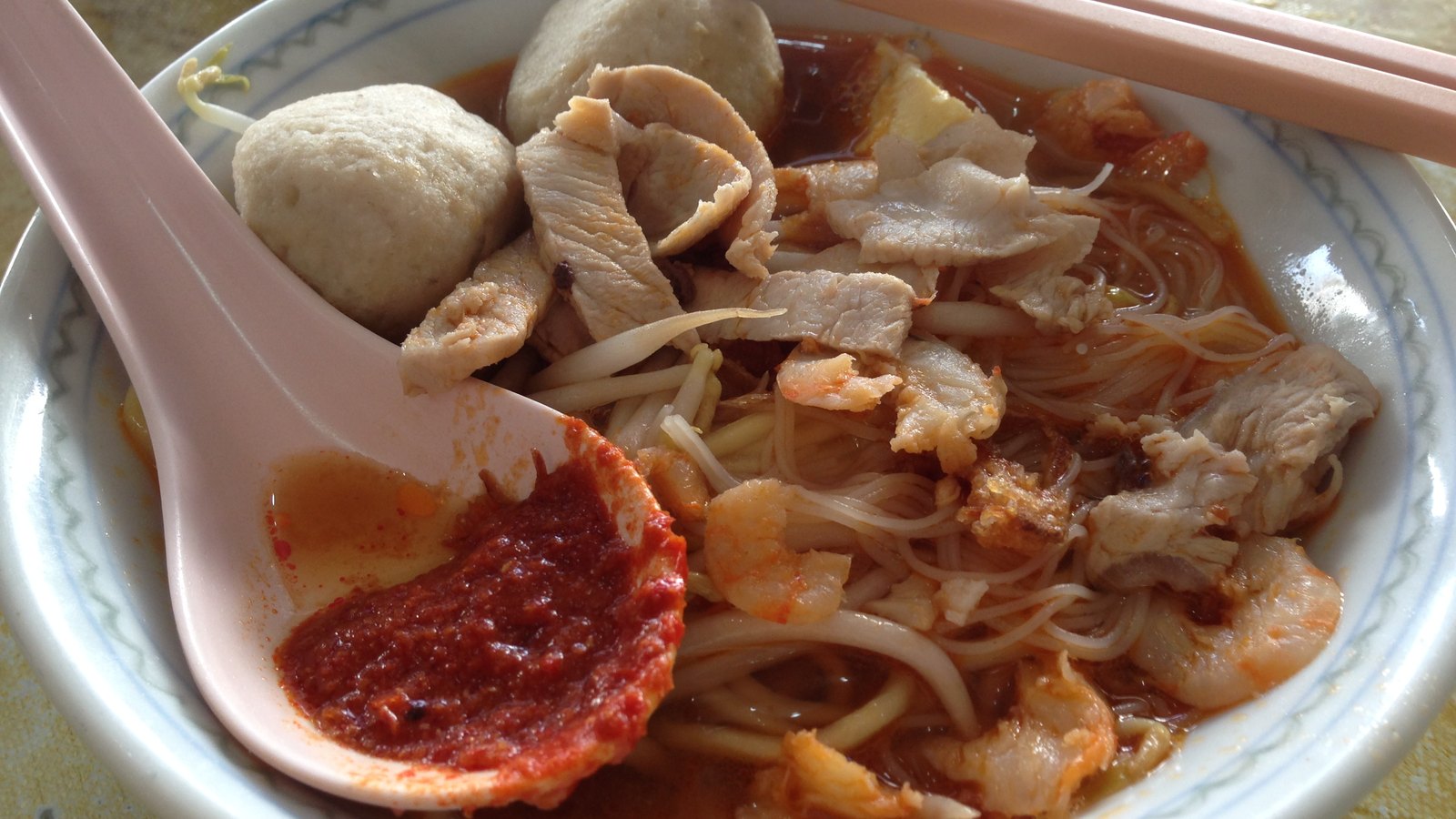
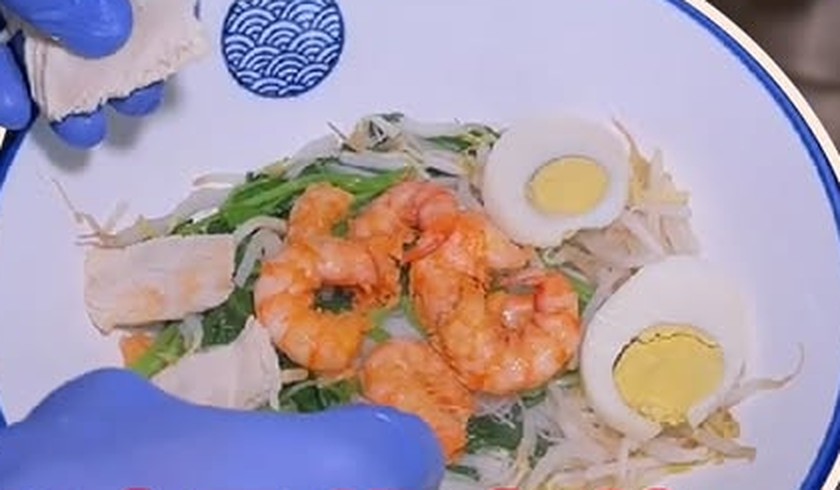
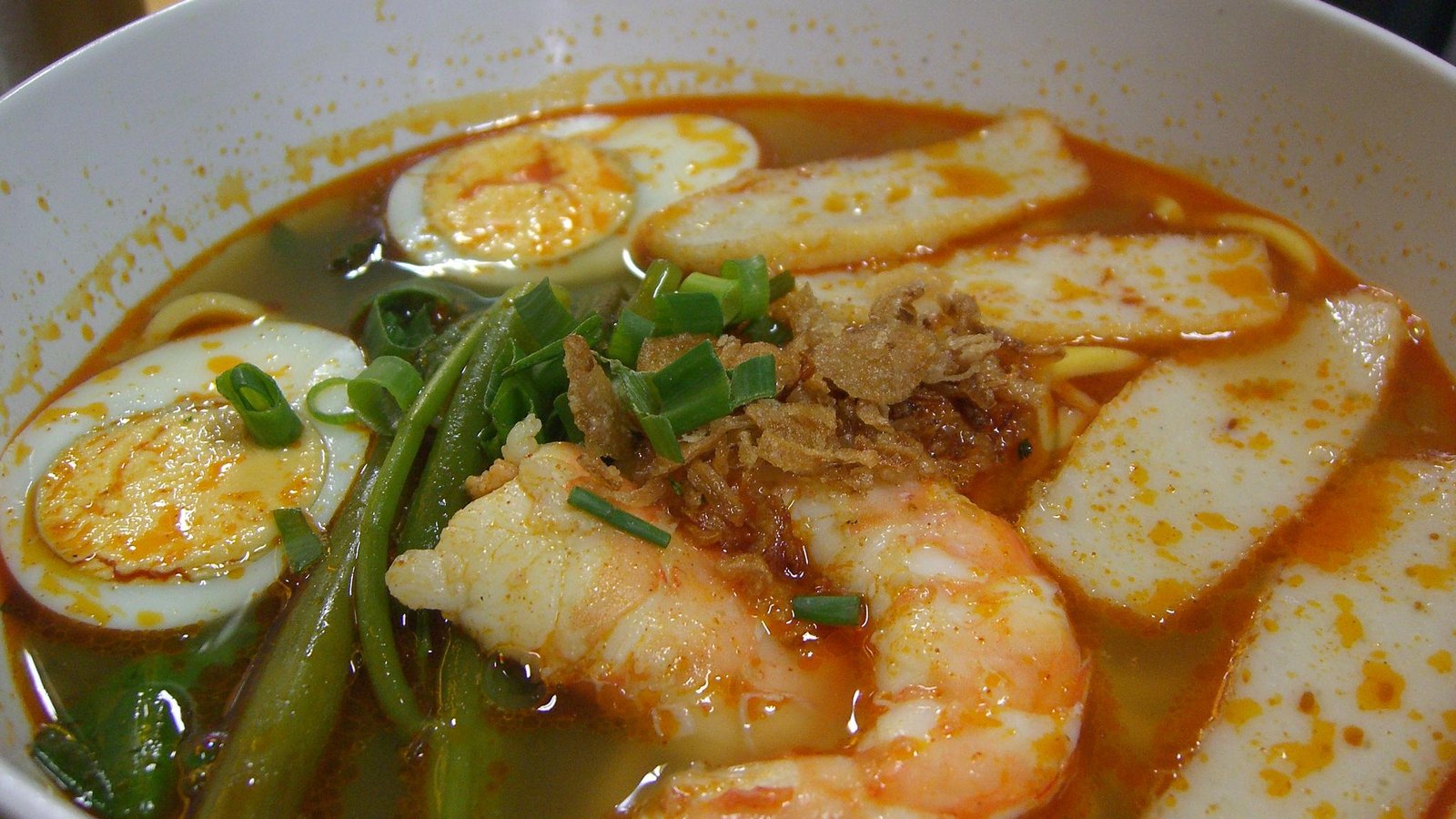
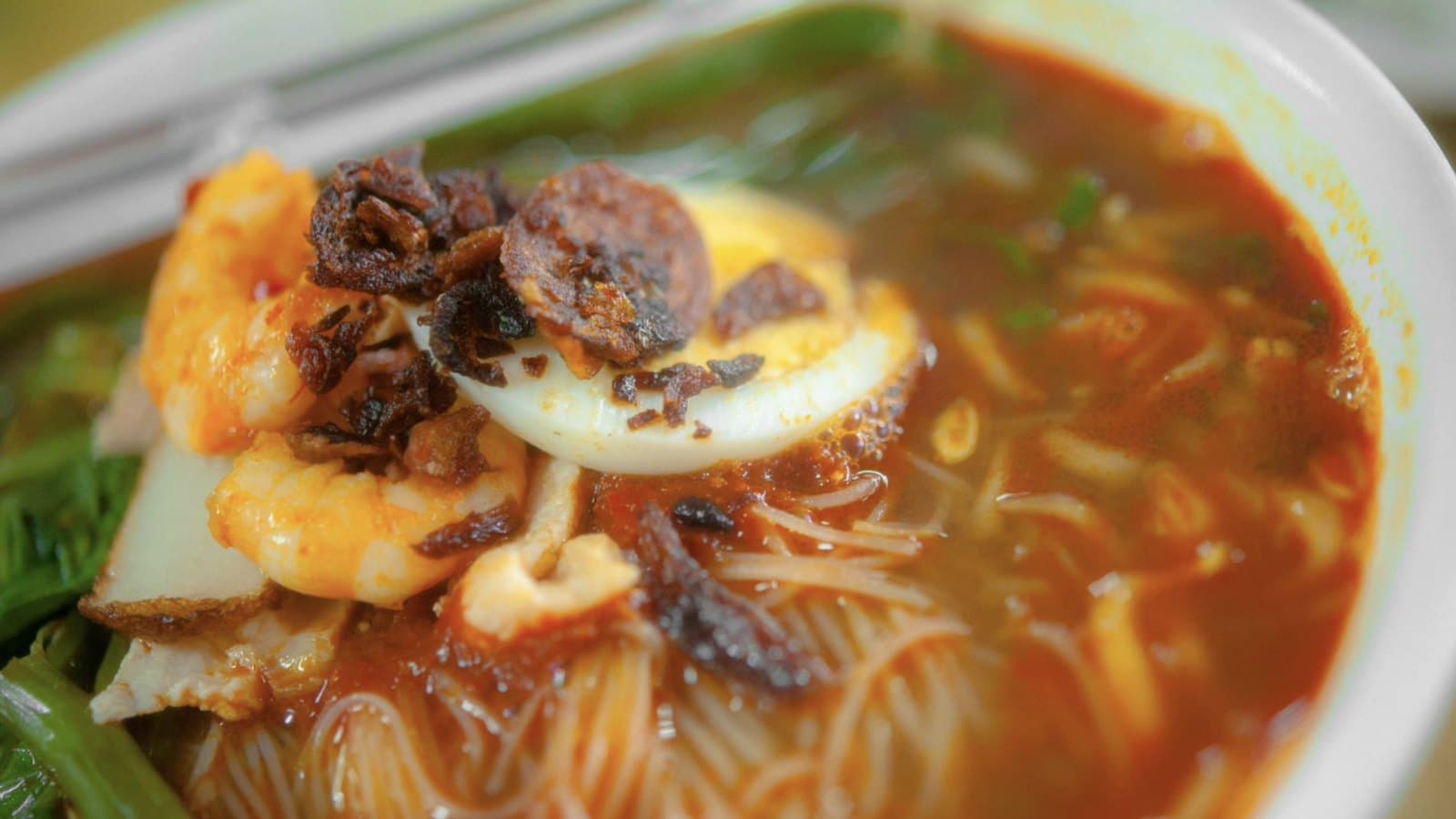
The single thing separating a forgettable bowl of prawn noodle (hae mee, sometimes spelled har mee) from a memorable one isn't the prawns sitting on top — it's what happens to the shells and heads before the noodles ever arrive. The best stalls simmer prawn shells, heads and pork bones for hours to build a stock with real depth, then finish it with a touch of chilli paste, dark or light soy, and a scoop of sambal on the side. Into that broth goes yellow noodles and bee hoon, kangkung (water spinach), taugeh, a half-boiled or hard-boiled egg, and a protein that varies stall to stall — pork ribs, pork slices, poached chicken, or all three. Don't confuse this with KL-style Hokkien mee (thick noodles wok-fried dry in dark soy sauce with pork lard, which we covered in a separate list) — prawn noodle is a soup, full stop, and the two dishes share almost nothing beyond both using prawns.
Clear Broth vs Spicy Broth: Two Schools in the Klang Valley
Most Klang Valley stalls lean into the Penang style — a broth spiked with dried chilli and belacan until it turns a deep reddish-orange and carries real heat, the version most people picture when they hear "prawn mee." Choon Prawn Mee House, Lim Mee Yoke and Aik Prawn Mee & Asam Laksa all fall into this camp, each with its own take on the chilli-to-prawn-sweetness ratio. San Peng Prawn Mee in Pudu is the outlier on this list — its broth stays clear and savoury rather than spicy, built almost entirely on hours of boiled prawn shells and heads, and it swaps the usual pork for poached chicken slices as the default protein. If you've only ever had the fiery Penang-leaning bowl, San Peng is worth a detour just to taste how different "prawn noodle" can be within a 20-minute drive.
Kepong, Pudu and the PJ Kopitiam Circuit
Geography tells you something about how this dish clusters in the Klang Valley. Kepong alone carries two of the names on this list — Soon Lee on the Jalan Batu Ambar hawker row off Jalan Ipoh and Uncle Chua's a short drive away in Bukit Menjalara — both decades-old operations that locals will argue over, and between them Kepong is covered from 7.30am to 9.30pm every day except Monday: Uncle Chua's now runs a full 7.30am–9pm seven days a week, while Soon Lee opens at 1.30pm and works the evening. Pudu is the other KL pocket, home to San Peng's clear-broth stall on Jalan San Peng; neighbouring Kuchai Lama used to hold Madam Chong's, but that shop is gone (see below). Over in PJ, the trade runs through kopitiam stalls-turned-standalone-shops like Choon and Lim Mee Yoke, plus Aik's food truck holding down its corner of the Sea Park market since well before the surrounding shoplots gentrified.
What We Left Out
A few well-known names didn't make this list. Hoo Yee Kee, once considered Kepong's flagship prawn mee stall, has relocated several times over the years and recent commentary suggests quality has slipped from its peak — we couldn't pin down a confidently current address and standard worth recommending, so it's out. Cing Kei on Jalan Sultan near Petaling Street serves excellent prawn wontons, but its headline dish is Ipoh-style kai si hor fun (shredded chicken rice noodles) rather than a full prawn-shell broth bowl, which makes it the wrong dish for this particular list. We also looked at Restoran Hup Soon in Kelana Jaya, whose prawn mee has its fans, but couldn't find current, independently verifiable activity strong enough to clear our bar, so we swapped it for Green Lane Noodles, which had better recent verification across multiple branches.
Madam Chong's Prawn Noodles House has closed. Our previous version of this list carried Madam Chong's at Dynasty Sentral, off Jalan Kuchai Lama, on the strength of blog coverage that is now years old. It has been removed. The shop has no Google Maps listing at all — five different search phrasings return neighbouring restaurants instead, while every other stall on this list resolves on the first try — and the operator's own Facebook page settles it: a post dated 4 April 2023 opens "结束营业了两年" ("we've been closed for two years"), which puts the shutdown around 2021, and nothing has been posted since. Madam Chong first set up in Pudu in 1968 and the family reopened as a proper restaurant on 12 December 2009; if you are searching for it in 2026, it is not coming back. San Peng in Pudu is the nearest surviving stall in the same style.
What a Bowl Actually Costs in 2026
We said in the previous version that no prices could be found. That was too cautious, and here is what a proper check turns up.
All seven stalls sit in Google Maps' lowest spend bracket — RM1–20 per person — reported by 101 diners at Soon Lee, 123 at Uncle Chua's, 184 at San Peng, 38 at Green Lane, 500 at Choon, 230 at Lim Mee Yoke and 64 at Aik. That is not a menu price, but it is a useful boundary: prawn mee in KL and PJ is still a sub-RM20 meal per head everywhere on this list, which is not true of the Sichuan and porridge shops in the same Kuchai Lama row (both RM20–40 a head on the same scale).
Three specific bowls we could pin down:
- Choon Prawn Mee House — Signature Prawn Mee, RM13.90. Quoted with a photograph in a TheFoodBunny review dated 29 October 2025; the Nyonya asam dry curry noodle on the same visit was also RM13.90.
- Lim Mee Yoke — standard prawn mee, about RM11. Reported across 2025 diner reviews, with pork ribs adding roughly RM3.50 and extra prawns roughly RM2.50 on top.
- Soon Lee Prawn Mee — small bowl, RM11. From a Google Maps review posted in August 2026, which is the most recent hard number we found on this list.
Read that as the shape of the market rather than a price list: budget RM11–14 for a plain bowl and RM16–20 once you load it with extra prawns or ribs. None of the seven publishes a live menu online, so the signboard at the stall is still the only authority on today's number.
Which Ones Are Open Today
This is the single most useful thing we can give you, because the rest days do not line up and the summary line Google shows you on a phone hides them. Hours below come from each stall's own day-by-day table on Google Maps, checked 5 September 2026.
- Soon Lee Prawn Mee (Taman Kok Lian): 1.30pm–9.30pm, Fridays to 9pm — closed Mondays.
- Uncle Chua's (Medan Putra, Kepong): 7.30am–9pm — open all seven days.
- San Peng Prawn Mee (Pudu): 7.30am–3pm — closed Tuesdays.
- Green Lane Noodles (Taman Taynton View, Cheras): 7.30am–4pm — closed Wednesdays.
- Choon Prawn Mee House (Taman Paramount): 8am–4pm and 6.30pm–9pm — closed Thursdays.
- Lim Mee Yoke (SS2): 9am–4pm, Thursdays to 3.30pm — open all seven days.
- Aik Prawn Mee & Asam Laksa (Sea Park): 12pm–4pm — closed Mondays.
Four practical consequences. Monday knocks out two stalls — Soon Lee and Aik — leaving Uncle Chua's as the pick if you want prawn mee on a Monday night. Only two of the seven serve dinner at all: Uncle Chua's to 9pm and Choon in its evening session, plus Soon Lee, which is the only one that is *exclusively* an evening stall. Lim Mee Yoke closes at 4pm, not 9.30pm — an error we carried in the previous version, and the one most likely to cost you a wasted trip across PJ. And Choon shuts for two and a half hours in the middle of the afternoon, so a 5pm arrival at Taman Paramount finds the shutters down even on an open day.
Related reads
- 8 Best Hokkien Mee Spots in KL & PJ — the dark-soy fried noodle this list is deliberately not about
- 8 Curry Mee Spots in KL & PJ — the other Penang-style bowl several of these stalls also serve
- 6 Best Wonton Mee Spots in KL & PJ — for the days you want noodles without the broth
*Image: Prawn noodle (hae mee). Photo by Shinichi2018, via Wikimedia Commons (CC BY-SA 4.0).*