8 Best Heritage Sites & Street Art Spots in Ipoh (2026): Free Entry, Hours & Closing Times
Lifestyle

8 Best Heritage Sites & Street Art Spots in Ipoh (2026): Free Entry, Hours & Closing Times

Ipoh's heritage trail is almost entirely free — what ruins a day here is arriving at a locked gate. Sam Poh Tong shuts at 2pm, Han Chin Pet Soo is appointment-only and closed Mondays, and Kek Lok Tong has been closed since October 2024. Here's the route that works.

Marcus Wong2 August 202611 min readUpdated 10 Oct 2026

Ipoh's Old Town is one of Peninsular Malaysia's most photographed heritage districts, and the appeal is easy to see: within a compact grid of pre-war shophouses you get street murals, Moorish-domed colonial landmarks, and cave temples carved into the limestone hills that ring the city. It is flat, walkable, and small enough to cover the core on foot in half a day.

What most guides leave out is the timing. Ipoh's heritage sites are almost all free, so the thing that actually ruins a day here is not the budget — it is arriving at a locked gate.

Plan around the closing times, not the opening times

Three scheduling facts decide the shape of your day:

  • Sam Poh Tong closes at 2pm. Its listing shows 8am to 2pm every day of the week. This is the single most common mistake visitors make — treating a cave temple as an all-afternoon stop, then arriving at 3pm to a shut gate.
  • Perak Tong closes at 4.30pm, open 8am to 4.30pm daily. It sits on the opposite side of the city from Sam Poh Tong, so you cannot casually do both late in the day.
  • Han Chin Pet Soo is closed Mondays and is appointment-only. You cannot walk in. Book a guided slot at ipohworld.org/reservation up to 30 days ahead. Its Google listing shows three tour times, 11am, 2pm and 3.30pm, Tuesday to Sunday, so plan the afternoon around one of them.

Put together, that means the cave temples belong in the morning and the Old Town walking loop belongs in the afternoon — the reverse of how most Ipoh itineraries are written.

One more, and it is the big one: Kek Lok Tong, the third and most-photographed of Ipoh's cave temples, has been closed since October 2024. The temple's management committee announced an indefinite closure after the neighbouring mining lake rose and flooded the grounds, and the closure has outlasted every estimate: a visitor update on its Google listing reports it temporarily closed as of 29 May 2026, and Trip.com still showed it suspended in late July 2026. Confusingly, Google now shows normal hours (8.30am to 4.30pm) again without a reopening announcement, so ring the temple on 05-312 8112 before you go. Plenty of guides, blog posts and hotel front desks have not caught up. Do not build a day around it.

Old Town and New Town have two different mural areas

This trips up almost everyone, because the names sound interchangeable and they are not.

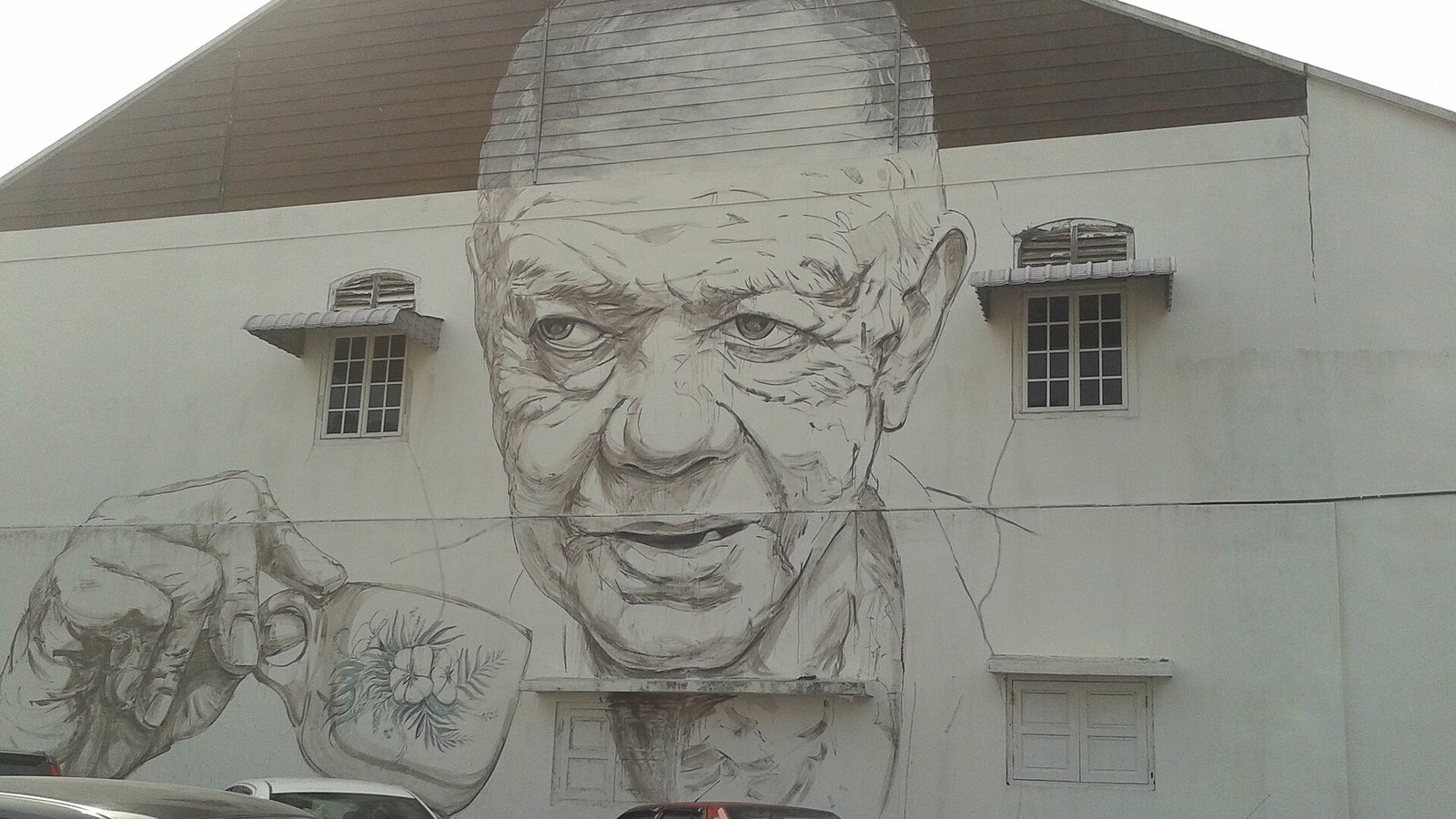
"Art of OldTown" is the 2014 series by Lithuanian artist Ernest Zacharevic, commissioned by OldTown White Coffee — seven murals in Ipoh's Old Town, mostly along Jalan Tun Sambanthan and Jalan Panglima, painted in his signature style of children and old trades. These are the famous ones, including "Old Uncle Drinking Coffee" and the "Kopi-O" pieces. They are also the fragile ones: they went straight onto exposed shophouse walls with no maintenance agreement in place, and after a decade of Malaysian humidity several have faded badly and some are simply gone. Expect a treasure hunt with a few blanks in it.

Mural Art's Lane is a different project in a different part of the city — New Town, across the Kinta River, in the lane between Jalan Masjid and Jalan Sultan Iskandar. It is the work of local art teacher Eric Lai and his students, who still touch up old panels and add new ones. Because it is actively maintained, this is where the murals reliably look like the photos.

If you only have time for one and you want pictures that match what you saw online, go to New Town. If you want the originals and the history, walk Old Town.

A route that works

Half a day, starting early:

  1. 8am — Sam Poh Tong, Kampung Gunung Rapat, about 6km south of the centre. Free. Turtle pond out front, cave passage through to a hillside garden at the back. Remember the 2pm cut-off.
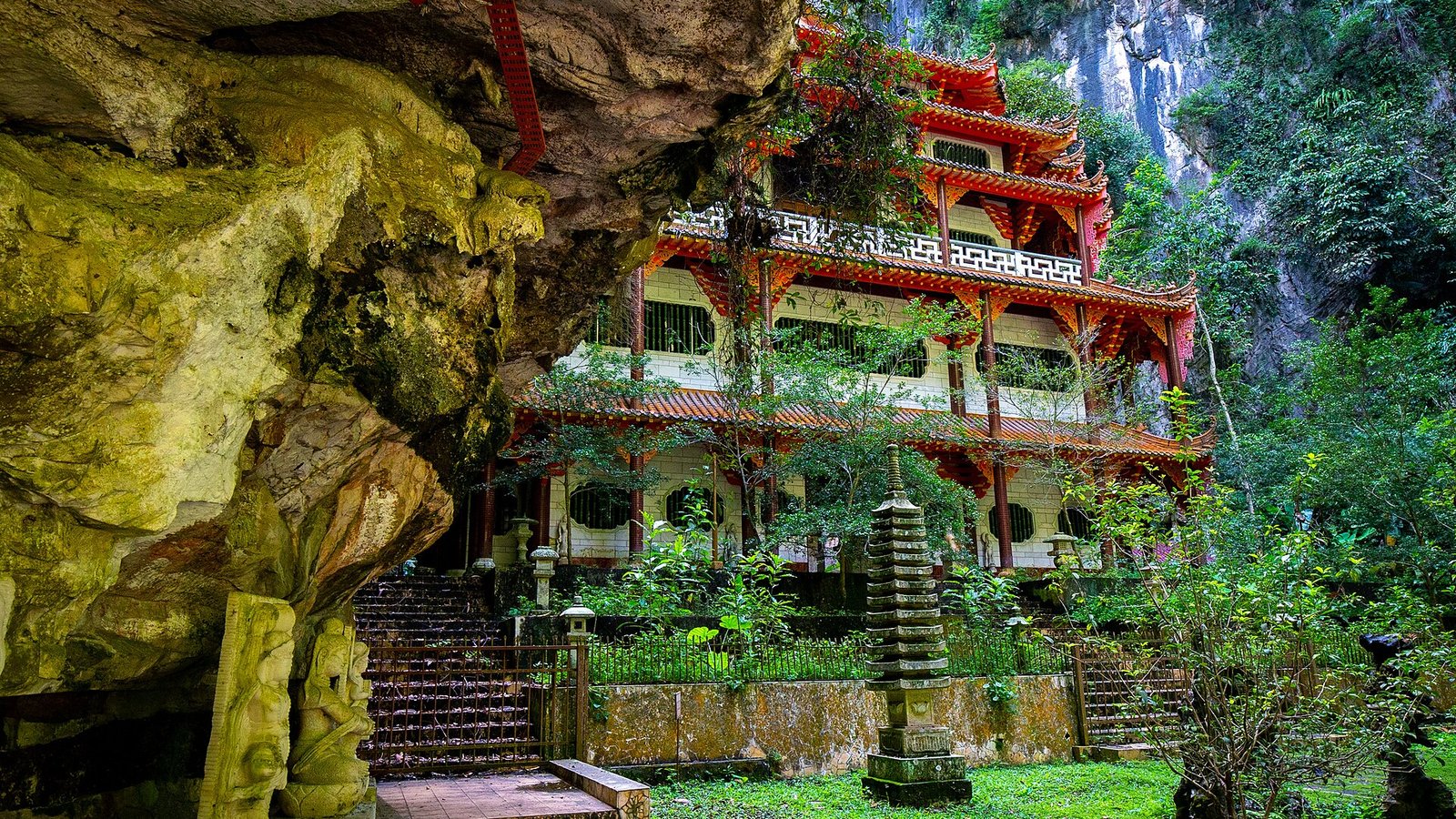
  2. Ling Sen Tong, immediately next door. Free, 9am to 4pm daily, and the most colourful of the three — a Taoist cave temple crowded with painted statues and mythological figures. It takes twenty minutes and almost no list mentions it, even though you are already standing there.
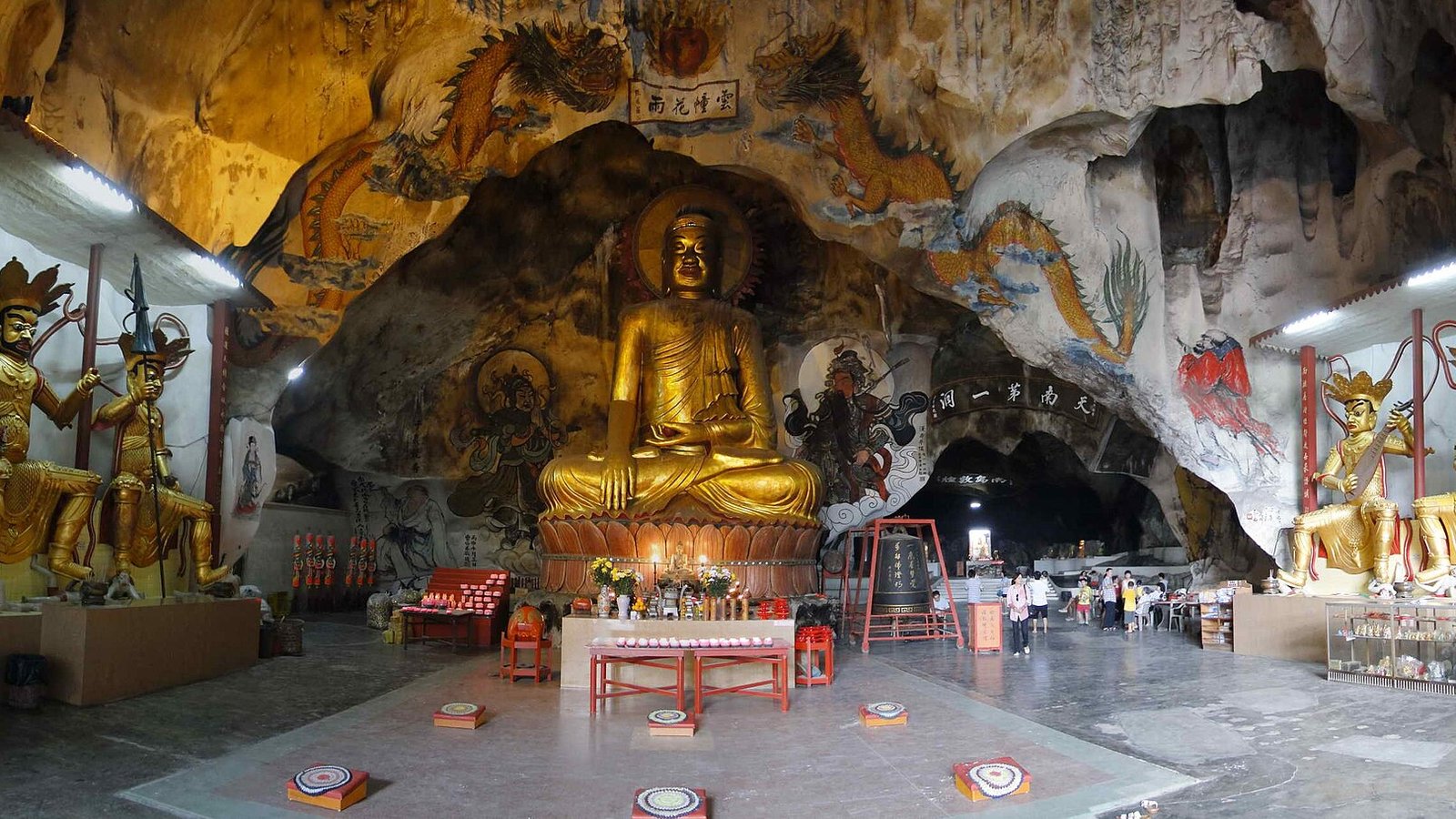
  3. Grab across town to Perak Tong, Jalan Kuala Kangsar. Free, 8am to 4.30pm. The seated golden Buddha is the draw; the roughly 450 steps up to the hilltop opening are the reason to bring water.
  4. Lunch in Old Town, then walk the colonial core on foot: the railway station, Ipoh City Hall directly opposite it, the Padang and Royal Ipoh Club, the Birch Memorial Clock Tower, St. Michael's Institution.
  5. Finish with the murals — Old Town's back lanes in late afternoon when the light drops and the heat breaks, or cross the river to Mural Art's Lane.

With a full day, add Muzium Darul Ridzuan near the station and a booked slot at Han Chin Pet Soo.

What it actually costs

Almost nothing, which is the strongest argument for this itinerary:

  • Street murals, Birch Memorial Clock Tower, Ipoh Padang, City Hall exterior, railway station facade, St. Michael's exterior — free
  • Perak Tong, Sam Poh Tong and Ling Sen Tong — free, with donation boxes at each
  • Muzium Darul Ridzuan — free
  • Han Chin Pet Soo — free on a public guided slot with a donation encouraged; commercial tour operators are charged RM10 per adult and RM5 per child or student

The real spend is transport. Budget for two or three Grab rides to reach the temples and get back — Old Town to Gunung Rapat, and Old Town out to Jalan Kuala Kangsar, are both short city hops. Bring small notes and coins for the donation boxes, since the temples are not card-friendly.

A couple doing the full route pays for Grab rides and lunch, and nothing else.

The free stop nobody lists: Muzium Darul Ridzuan

The Perak state museum board runs a free museum in a circa-1926 mansion on Jalan Panglima Bukit Gantang Wahab, a short walk from the railway station and the Padang. It covers Perak's tin-mining and forestry history — effectively the backstory to everything else you are looking at that day.

Open 10am to 5pm every day of the week, with one quirk worth planning around: on Fridays it splits, 10am to 12.15pm and then 2.45pm to 5pm, for prayers. Admission is free. Phone 05-241 0048.

About the "hotel" at the railway station

The Ipoh railway station is frequently described as housing the historic Majestic Hotel. It does not — not for guests. The Majestic has been shut since mid-2010, and Ipoh Echo described it in 2024 as long-abandoned and dilapidated. It belongs to the Railway Assets Corporation, which has a restoration programme to bring it back as a working hotel, but no confirmed reopening date has been announced.

Two things follow from that. You can still walk the station's arcaded corridors and photograph the facade freely — it is a working KTM stop and that has not changed. But if you search "Majestic Ipoh" on a booking site you will turn up several unrelated modern properties trading on the name. None of them is the station hotel.

Getting there and getting around

By train: KTM's ETS runs from KL Sentral to Ipoh roughly hourly, taking about 2 hours 15 minutes to 2 hours 45 minutes depending on whether you catch a Platinum limited-stop service or a Gold one. Fares generally land in the RM25 to RM55 range and move with demand under KTMB's flexi-fare pricing, so book ahead at ktmb.com.my. The train sets you down at the single best building on this list, which is a good way to start.

On foot: Old Town is flat, and the colonial cluster sits within a 20 to 30 minute walk end to end. Wear real shoes — once you add the mural hunt you will cover far more ground than the map suggests.

By Grab: essential for the temples. All three cave temples are well outside walking distance of Old Town, in three different directions.

Where to get a trail map

The Ipoh Tourist Information Centre on Jalan Tun Sambanthan hands out free heritage trail maps and a city map, and reviewers consistently single out the brochures and the staff. It opens at 8am, and visitor updates indicate it operates Monday to Friday — so if you are coming for a weekend, collect or download the map before you arrive. Phone 05-208 3151.

A free volunteer-led heritage walk has long been advertised as setting off from outside the railway station at 8am on Saturdays. It does not run to a reliably published schedule, so ring the information centre to confirm rather than simply turning up.

How to pick if you only have a few hours

  • Three hours, no car: Old Town only. Railway station, City Hall, the Padang, the clock tower, then the back-lane murals. All free, all walkable.
  • Three hours with a Grab budget: Sam Poh Tong and Ling Sen Tong before the 2pm cut-off, then the Old Town colonial core.
  • Photos are the point: Mural Art's Lane in New Town, because it is the set that gets maintained.
  • History is the point: book Han Chin Pet Soo ahead — not a Monday — and add Muzium Darul Ridzuan.
  • With kids: Ling Sen Tong's painted statues and Sam Poh Tong's turtle pond land far better than colonial facades. Skip the 450-step climb at Perak Tong.
Ipoh heritage & street art sites: cost and hours

SiteAreaCostHours
Art of OldTown muralsOld TownFreeAny time (outdoor)
Mural Art's LaneNew TownFreeAny time (outdoor)
Ipoh Railway StationJalan PanglimaFreeWorking KTM station
Birch Memorial Clock TowerJalan Dato SagorFreeAny time (exterior)
Ipoh Padang & Royal Ipoh ClubJalan Dato Seri Ahmad SaidFreeAny time (club members-only)
Ipoh City HallJalan MaharajalelaFreeAny time (exterior)
St. Michael's InstitutionJalan Raja Musa AzizFreeExterior only; active school
Perak Tong Cave TempleJalan Kuala KangsarFree (donation)8am-4.30pm daily
Sam Poh Tong Cave TempleGunung RapatFree (donation)8am-2pm daily
Ling Sen Tong (bonus)Gunung RapatFree (donation)9am-4pm daily
Muzium Darul Ridzuan (bonus)Jln Panglima Bkt Gantang WahabFree10am-5pm; Fri 10-12.15 & 2.45-5
Han Chin Pet Soo (bonus)Jalan Bijeh TimahFree (donation)Booking only: 11am, 2pm, 3.30pm Tue-Sun
1
Ipoh's Two Mural Areas — Art of OldTown & Mural Art's Lane

Ipoh's Two Mural Areas — Art of OldTown & Mural Art's Lane

Ipoh has two separate street-art areas that guides routinely merge into one, and knowing the difference decides whether you come home with photos. "Art of OldTown" is the 2014 set of seven murals by Lithuanian artist Ernest Zacharevic, commissioned by OldTown White Coffee, scattered through Old Town's back lanes along Jalan Tun Sambanthan and Jalan Panglima — "Old Uncle Drinking Coffee" and the "Kopi-O" pieces are the famous ones. They were painted straight onto exposed shophouse walls with no maintenance agreement, so after a decade of humidity several have faded badly and some are gone entirely. Mural Art's Lane is a different project across the Kinta River in New Town, in the lane between Jalan Masjid and Jalan Sultan Iskandar, run by local art teacher Eric Lai and his students, who still touch up and add works — which is why these ones reliably look like the photos. Both are free and open at all hours; go late afternoon when the heat breaks. Pick up a free trail map at the Ipoh Tourist Information Centre on Jalan Tun Sambanthan (opens 8am, reported to run Mon-Fri).

Photo: Natsudragon, CC BY-SA 4.0, via Wikimedia Commons

2
Ipoh Railway Station ("Taj Mahal of Ipoh") — Jalan Panglima

Ipoh Railway Station ("Taj Mahal of Ipoh") — Jalan Panglima

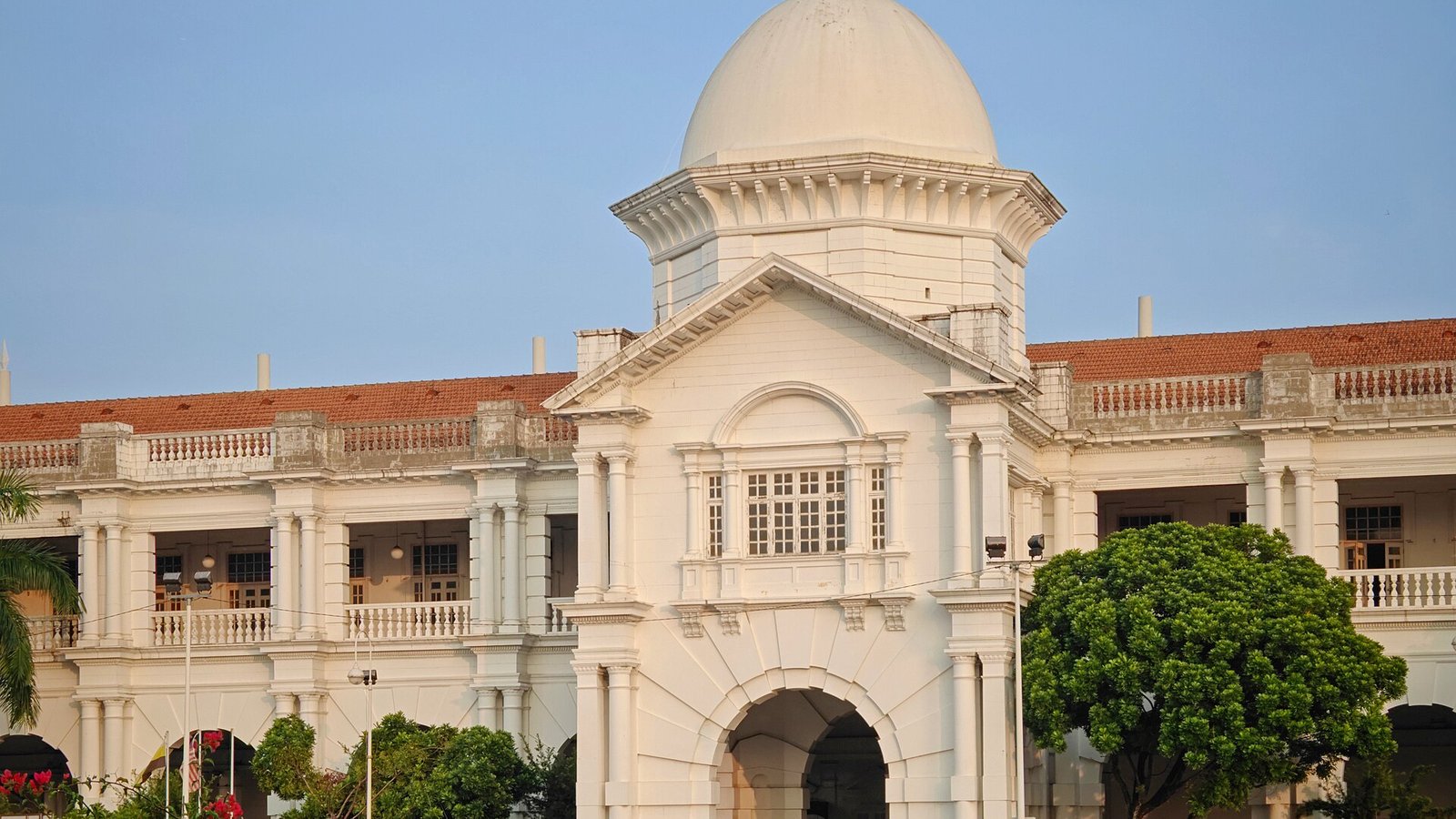
Built between 1914 and 1917 by government architect A.B. Hubback, this white Moorish-domed station is nicknamed the "Taj Mahal of Ipoh" for its onion domes, turrets and arcaded corridors — it shares an architect, and an architectural family, with KL's old railway station. It is still a working KTM stop served by ETS trains from KL Sentral, so you can wander the platform-side facade and colonnades freely without a ticket. One correction worth knowing: the station is often described as housing the historic Majestic Hotel, but the Majestic has been closed since mid-2010 and was described by Ipoh Echo in 2024 as long-abandoned and dilapidated. Its owner, the Railway Assets Corporation, has a restoration programme to reopen it as a hotel, but no confirmed date has been announced — and the several "Majestic" properties you will find on booking sites are unrelated modern hotels trading on the name.

Photo: FBilula, CC BY-SA 4.0, via Wikimedia Commons

3
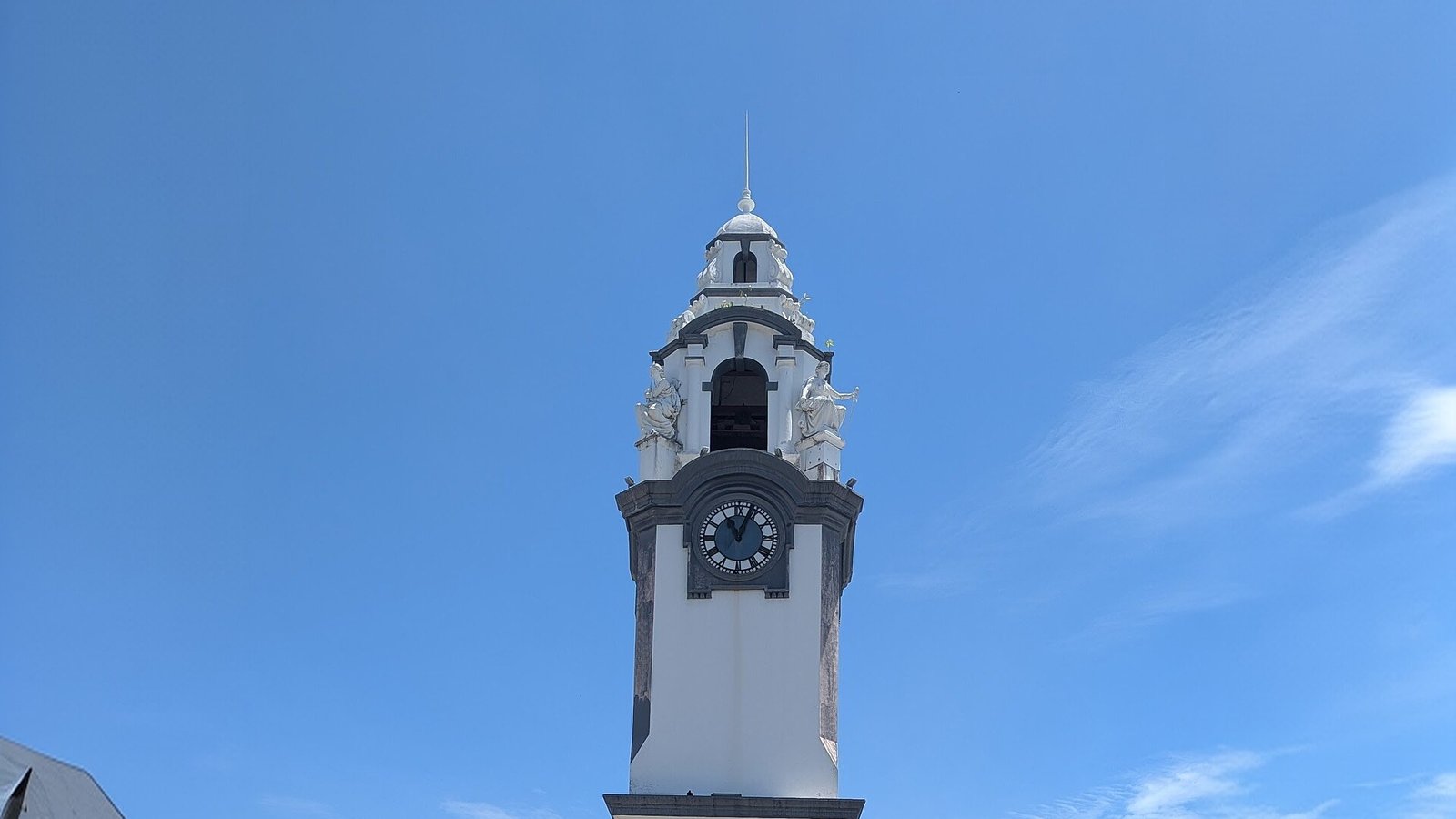
Birch Memorial Clock Tower — Jalan Dato Sagor

Birch Memorial Clock Tower — Jalan Dato Sagor

Completed in 1909, this white clock tower commemorates James W.W. Birch, Perak's first British Resident, who was assassinated in 1875 — making it one of the more historically loaded landmarks on this list. Four statues around its base represent the colonial virtues of patience, justice, loyalty and fortitude, while ceramic murals near the top depict figures from Moses to Shakespeare to Charles Darwin. It stands directly opposite the Ipoh State Mosque, a five-minute walk from the railway station, and is free to view at any hour — there is no interior to enter, so it works as a two-minute stop on the walking loop rather than a destination in itself.

Photo: Awan Senja, CC BY-SA 4.0, via Wikimedia Commons

4
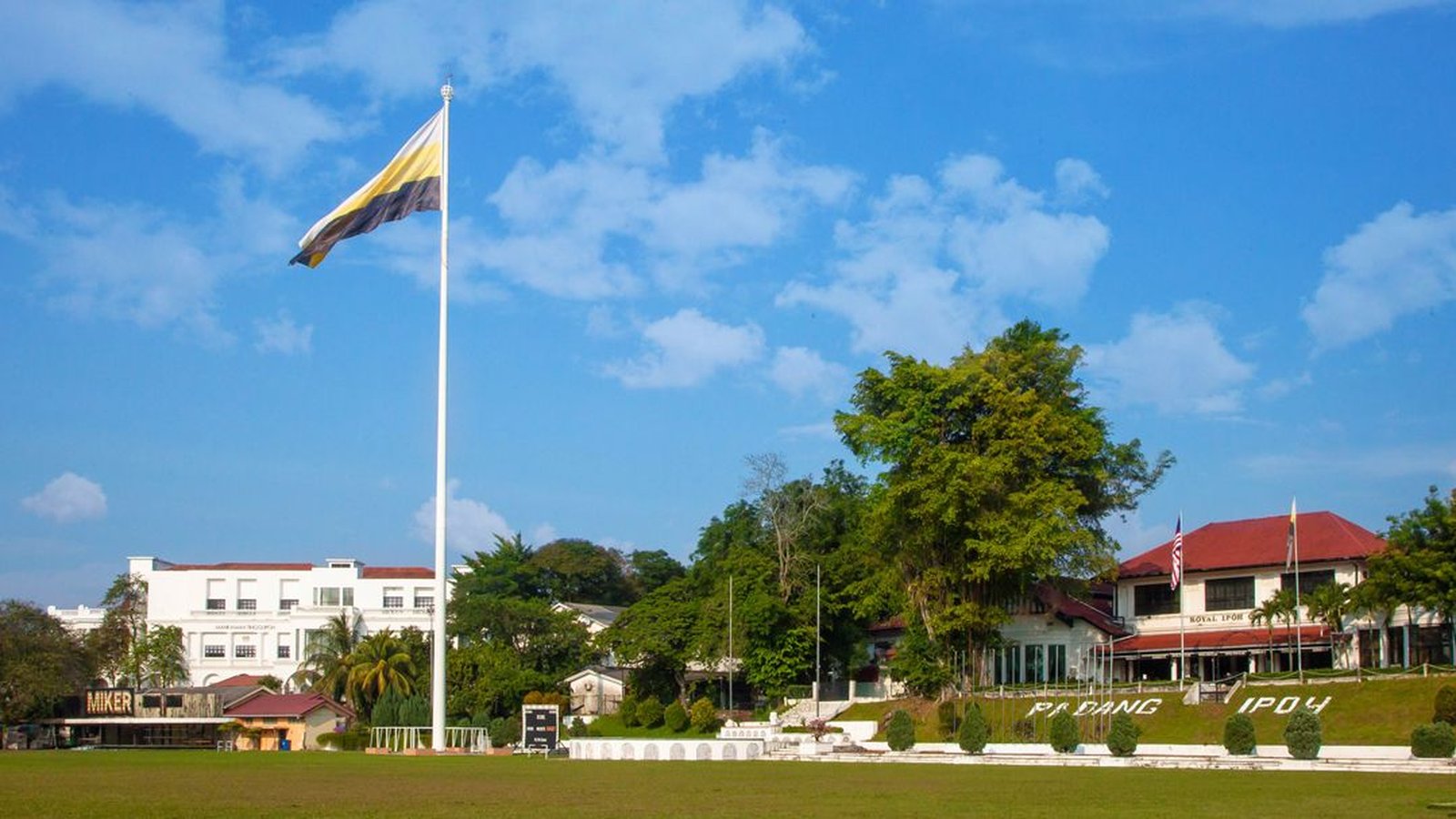
Ipoh Padang & the Royal Ipoh Club — Jalan Dato Seri Ahmad Said

Ipoh Padang & the Royal Ipoh Club — Jalan Dato Seri Ahmad Said

This open padang (field), first laid out in 1898, is ringed by some of Ipoh's grandest colonial buildings, including the black-and-white Royal Ipoh Club (built in 1892 as a British officers' recreation club) and the neo-classical Ipoh High Court, completed in 1928. It is still used for community sports, markets and events today, and makes a good open-air pause between the railway station and the clock tower. The club itself is members-only, so the surrounding buildings are appreciated from the outside — free, and best in the late afternoon when the light softens and locals turn out to use the field. Muzium Darul Ridzuan is a short walk away on Jalan Panglima Bukit Gantang Wahab.

Photo: Majlis Bandaraya Ipoh (official website)

5
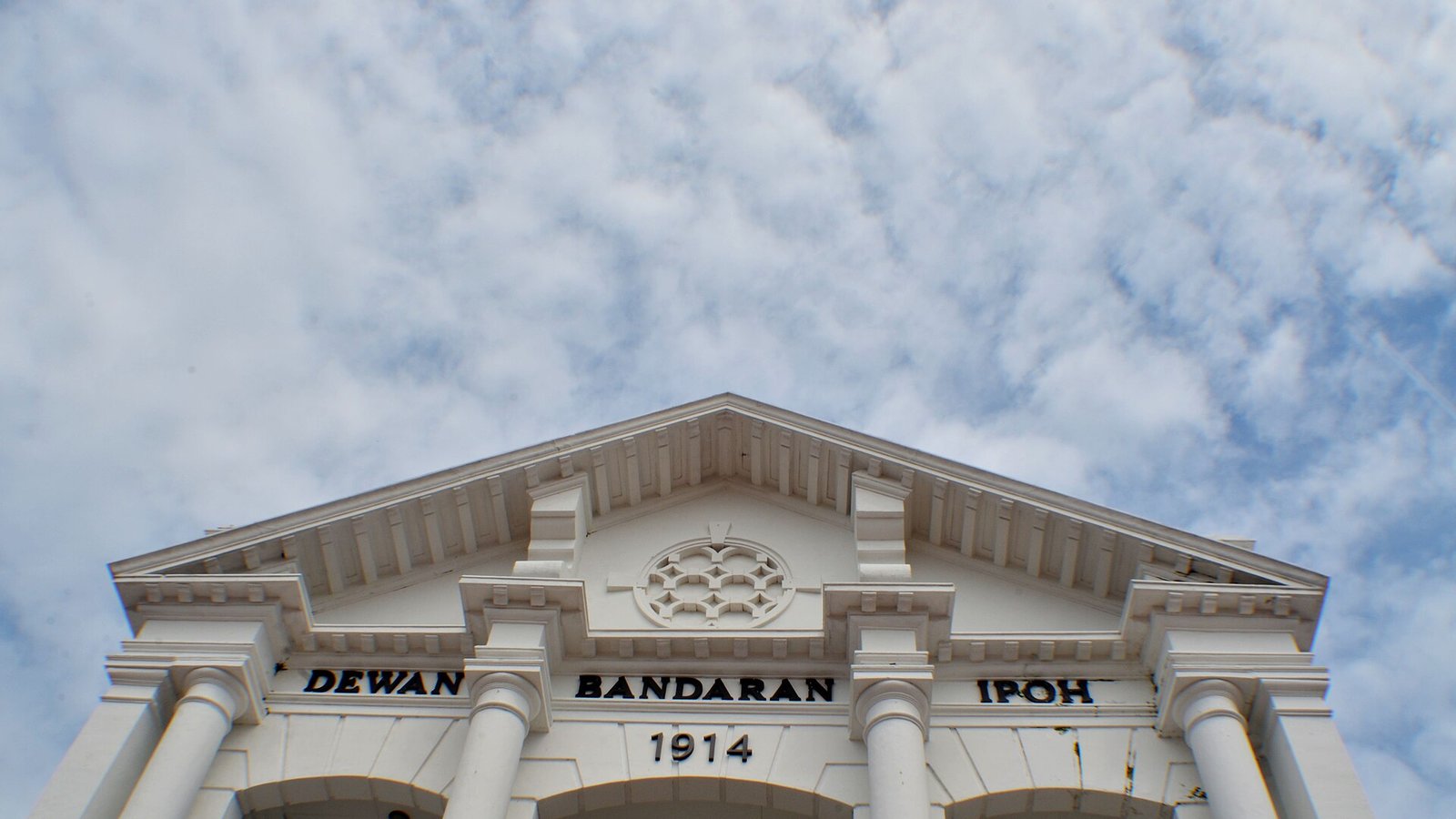
Ipoh City Hall (Dewan Bandaran Ipoh) — Jalan Maharajalela

Ipoh City Hall (Dewan Bandaran Ipoh) — Jalan Maharajalela

Also designed by A.B. Hubback and completed around 1916-1917, this white town hall blends Neo-Renaissance, Moorish and Victorian details and sits directly across the road from the railway station, making it a natural two-for-one stop. Historically significant as the site of the Malay Nationalist Party's inaugural 1945 congress, it now functions as a venue for public events and weddings — you are viewing the exterior rather than touring inside, but the facade alone justifies the photo stop, and pairing it with the station in one frame is the classic Ipoh shot. Free, and there is nothing to book.

Photo: Prema Darshini, CC BY-SA 4.0, via Wikimedia Commons

6
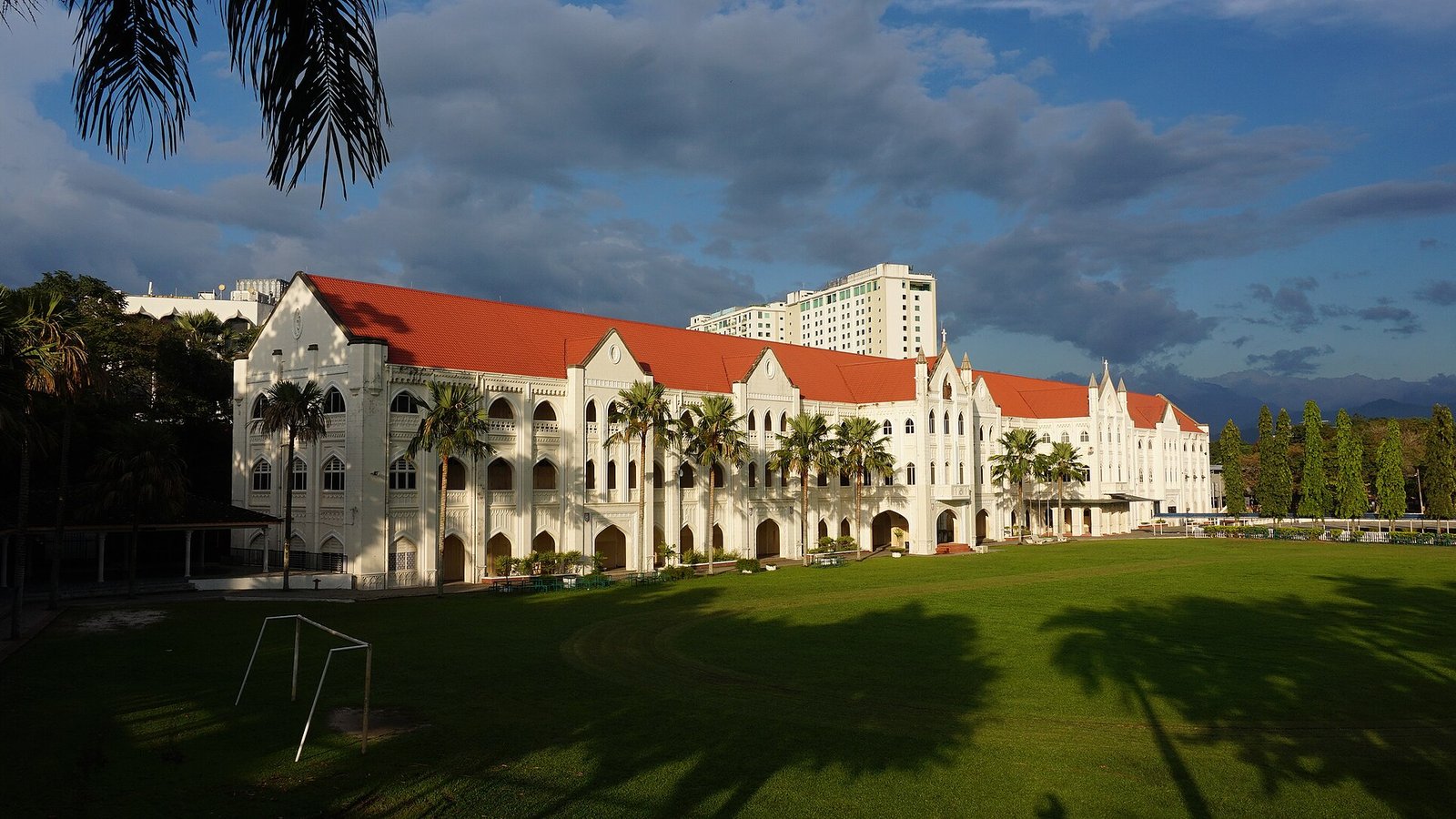
St. Michael's Institution — Jalan Raja Musa Aziz

St. Michael's Institution — Jalan Raja Musa Aziz

Founded in 1912 by La Sallian brothers and rebuilt in Gothic style in 1923, this working boys' school is recognised by the Ipoh City Council as a heritage building and sits on the official Ipoh Heritage Trail. It served as the Japanese Administration's headquarters in Perak during World War II. Because it is an active school, access to the grounds is limited during school hours and you should not wander in — but the Gothic facade is fully visible from Jalan Raja Musa Aziz and is one of the most striking buildings in the city. Free, and best photographed on a weekend morning when the school is quiet and there is no traffic in front of it.

Photo: World of Travolution, CC BY-SA 2.0, via Wikimedia Commons

7
Perak Tong Cave Temple — Jalan Kuala Kangsar

Perak Tong Cave Temple — Jalan Kuala Kangsar

Founded in 1926 by Chinese Buddhist devotees and built into a limestone cave off Jalan Kuala Kangsar, north of the centre, Perak Tong is dominated by a seated golden Buddha reported to stand around 40 feet tall. Painted cave walls depict scenes from Chinese mythology, and a steep staircase of roughly 450 steps climbs to an opening near the hilltop with a panoramic view over Ipoh — bring water, and skip the climb if the heat is up or you are with small children. Open 8am to 4.30pm daily — earlier than most guides claim, so do not leave it to late afternoon. Free entry with donation boxes inside; carry small cash. Phone 011-2358 4126. It is on the opposite side of the city from Sam Poh Tong, so plan them as separate legs rather than a single trip.

Photo: Steven Tung, CC BY-SA 3.0, via Wikimedia Commons

8
Sam Poh Tong Cave Temple — Gunung Rapat (closes 2pm)

Sam Poh Tong Cave Temple — Gunung Rapat (closes 2pm)

Regarded as one of the oldest and largest cave temples in the country, Sam Poh Tong is set into a limestone cliff at Kampung Gunung Rapat, about 6km south of the city centre. A landscaped pond stocked with fish and turtles sits out front, and a cave passage leads through to a hillside garden at the back. The critical detail almost every guide gets wrong: it is open 8am to 2pm daily, not into the evening — arrive in the morning or you will find it shut. Free entry, donations accepted, phone 05-255 2772. Make the trip count by adding Ling Sen Tong immediately next door (free, 9am to 4pm daily) — a Taoist cave temple packed with brightly painted mythological statues that is far more photogenic than its near-total absence from Ipoh lists suggests.

Photo: Bruce Poon, CC BY-SA 4.0, via Wikimedia Commons

Frequently Asked Questions

What time do Ipoh's cave temples close?

Earlier than most people expect, and they differ. Sam Poh Tong at Gunung Rapat is open 8am to 2pm daily — the single most common way visitors waste a trip. Perak Tong on Jalan Kuala Kangsar is open 8am to 4.30pm daily. Ling Sen Tong, next door to Sam Poh Tong, runs 9am to 4pm daily. All three are free with donation boxes. Do the temples in the morning and save Old Town's walking loop for the afternoon.

Is Kek Lok Tong still open?

No. Kek Lok Tong has been closed since October 2024, when the temple's management committee announced an indefinite closure over flooding from the neighbouring mining lake. A visitor update on Google reported it still temporarily closed on 29 May 2026, and Trip.com listed it as suspended in late July 2026. Google has since restored normal hours (8.30am to 4.30pm) without any reopening announcement, so phone 05-312 8112 to confirm. Many blogs, guidebooks and even hotel front desks still recommend it, so check before you go rather than building a day around it. Perak Tong, Sam Poh Tong and Ling Sen Tong are all open and all free.

Where can I see Ipoh's famous street murals?

There are two separate areas. Ernest Zacharevic's 2014 "Art of OldTown" series — seven murals including "Old Uncle Drinking Coffee" and the "Kopi-O" pieces — sits in Old Town's back lanes along Jalan Tun Sambanthan and Jalan Panglima; several have faded badly and some are gone, because they were painted onto exposed walls with no maintenance agreement. Mural Art's Lane is a different project in New Town, between Jalan Masjid and Jalan Sultan Iskandar, run by local art teacher Eric Lai and his students, who keep it repainted. If you want photos that match what you saw online, go to New Town.

Do I need to book Han Chin Pet Soo, and is it free?

Yes to booking, and effectively yes to free. Han Chin Pet Soo, the Hakka tin miners' clubhouse museum at 3 Jalan Bijeh Timah, is appointment-only — you cannot walk in. Reserve a guided slot at ipohworld.org/reservation up to 30 days ahead; tours run at 11am, 2pm and 3.30pm, Tuesday to Sunday, and the booking confirmation email carries the door passcode. It is closed Mondays. There is no fixed entry fee for members of the public on scheduled tours, though a donation towards the building's upkeep is expected; commercial tour operators are charged RM10 per adult and RM5 per child or student. Phone 05-241 4541.

Is Ipoh Old Town walkable, and how long does the heritage walk take?

Yes — Old Town is flat and compact, and the colonial cluster (railway station, City Hall, the Padang, the clock tower, St. Michael's) sits within a 20 to 30 minute walk end to end, so you can cover the core loop in about half a day. The mural hunt adds more ground than the map suggests. The cave temples are all outside walking distance, in three different directions, and need a Grab ride.

How much does a day on the Ipoh heritage trail cost?

Almost nothing in admissions. The murals, Birch Memorial Clock Tower, Ipoh Padang, City Hall's exterior, the railway station facade and St. Michael's exterior are all free to view. Perak Tong, Sam Poh Tong, Ling Sen Tong and Muzium Darul Ridzuan are free, with donation boxes at the temples. Han Chin Pet Soo is free on a public slot with a donation encouraged. Your real spend is two or three Grab rides out to the temples and back, plus lunch — so bring small cash for the donation boxes, which are not card-friendly.

How do I get from Kuala Lumpur to Ipoh?

KTM's ETS train from KL Sentral is the easiest option, running roughly hourly and taking about 2 hours 15 minutes to 2 hours 45 minutes depending on whether you catch a Platinum limited-stop service or a Gold one. Fares generally fall in the RM25 to RM55 range and move with demand under KTMB's flexi-fare pricing, so book ahead at ktmb.com.my. The train arrives at the Moorish-domed Ipoh Railway Station itself, which puts you at the start of the walking loop the moment you step off.

Related reads

*Cover image: Michael, public domain, via Wikimedia Commons — the IPOH sign and Ipoh City Hall at dusk.*

#Lifestyle#Ipoh#Heritage#Street Art#Perak#Things To Do

You Might Also Like