Kota Kinabalu's seafood restaurants get most of the tourist attention, but the food locals actually eat for breakfast and lunch lives somewhere else entirely — in kopitiams with Formica tables, at Sunday tamu stalls, and in a handful of restaurants keeping Kadazan-Dusun cooking alive. This list skips the live-tank seafood houses already covered elsewhere and goes straight for Sabah's kopitiam and hawker culture: beef-offal noodle soup (ngiu chap), a curry laksa distinct from its Penang and Sarawak cousins, hand-fried Tuaran mee finished with local rice wine, and raw-fish salads that predate the word "ceviche" reaching Borneo. Every venue below was checked this session against its own page, Google Maps listing or recent (2024–2026) reviews to confirm it's still trading.
1. Api-Api Night Food Market (Gaya Street)
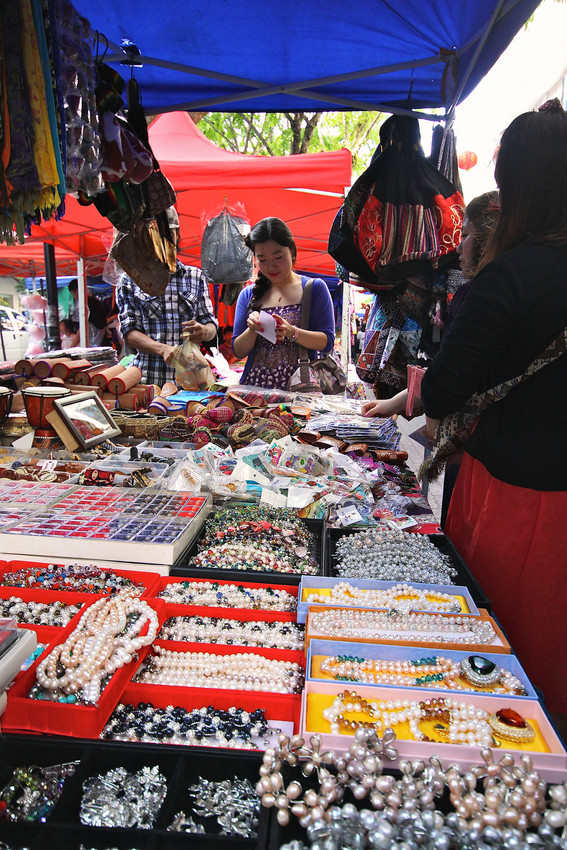
Every Friday and Saturday from 6pm to midnight, Gaya Street closes to traffic and fills with food stalls — a market run by Kota Kinabalu City Hall (DBKK), which launched it in December 2018 and has added further blocks of stalls along the street since, rather than an ad hoc pasar malam. It's the closest thing KK has to an all-in-one crash course in Malaysian street food: satay, Sabah-style laksa, nasi lemak, murtabak, grilled skewers, plus newer additions like loaded fries and corn dogs for anyone travelling with fussier eaters. Portions are cheap enough that reviewers have covered six satay sticks, a bowl of har mee and an iced drink for around RM10 total. Go hungry, go with cash, and go on foot — parking near Gaya Street on market nights is its own adventure.
2. Kedai Kopi Yee Fung
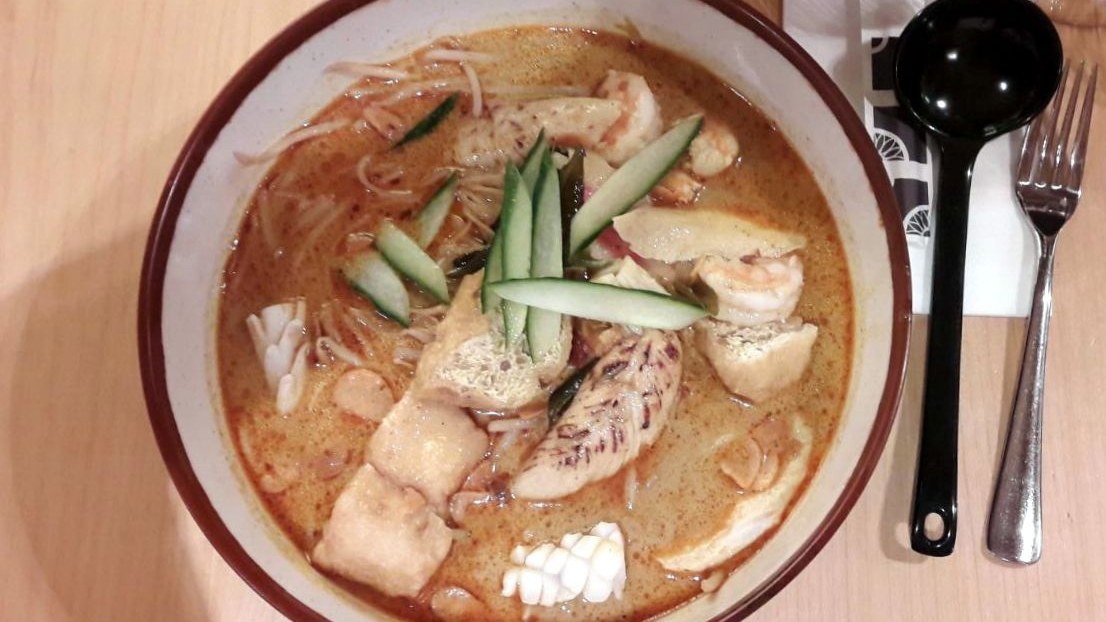
If there's one dish every visitor to KK gets told to try, it's the curry laksa at Kedai Kopi Yee Fung, trading from 127 Gaya Street since 1984. The broth is coconut-rich and lemongrass-heavy, ladled over thin rice noodles with prawn and shredded chicken — a different animal from Penang's sour, tamarind-forward assam laksa or Sarawak's lighter, more herbal version. The shop's ngiu chap is nearly as popular as the laksa, and the queue outside on weekend mornings (it sits right by the Sunday tamu) is a fair indicator of how seriously locals take it. It's open Monday to Friday 6:30am–6pm and weekends/public holidays 6:30am–4pm, with most bowls running somewhere in the RM7–RM10 range, though a few recent reviews put it closer to RM10 as prices have crept up.
3. Yii Siang Hainan Ngiu Chap
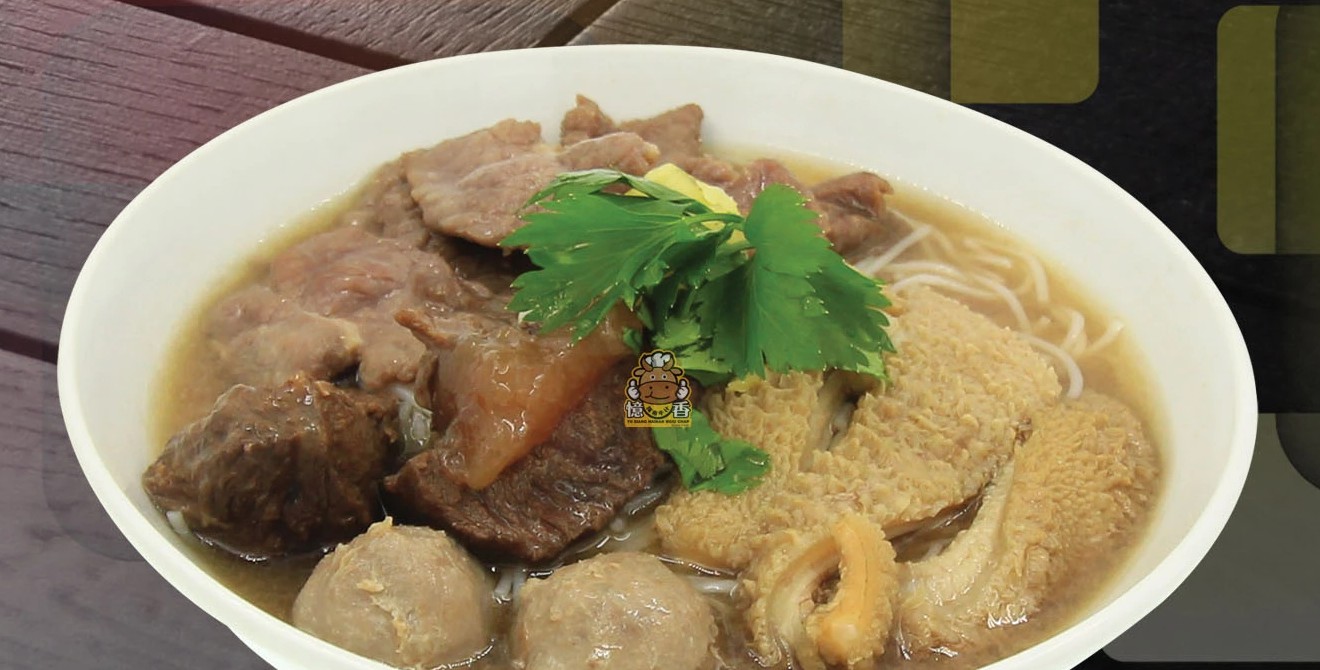
Yii Siang Hainan Ngiu Chap has been a family operation since 1993 — started by Mr Ling, now run alongside his son Kevin — and it does one thing without distraction: ngiu chap, Sabah's beef-offal noodle soup. Beef slices, beef balls, stewed brisket and tripe (tendon on request) sit in a light, pickle-accented Hainanese broth, and the restaurant describes that "light" flavour and its pickle base as the whole point of the recipe. Check the address before you go: the shop has outgrown its long-time Mile 6, Jalan Tuaran premises in Inanam, and its own website now lists 21 Block C, Lorong Perindustrian, 88450 Kota Kinabalu, open Monday to Saturday 6:30am–3pm and Sunday 6:30am–2pm, with +6016-822 3982 printed on the same page if you want to check before driving out. It's still a morning-and-early-afternoon business, and reviewers put an average visit at about RM10 a head. Plenty of older blog posts and map pins still point at the old Inanam shopfront, so navigate to the Lorong Perindustrian address rather than the first result you find.
4. Seng Hing Coffee Shop (成兴茶餐室)
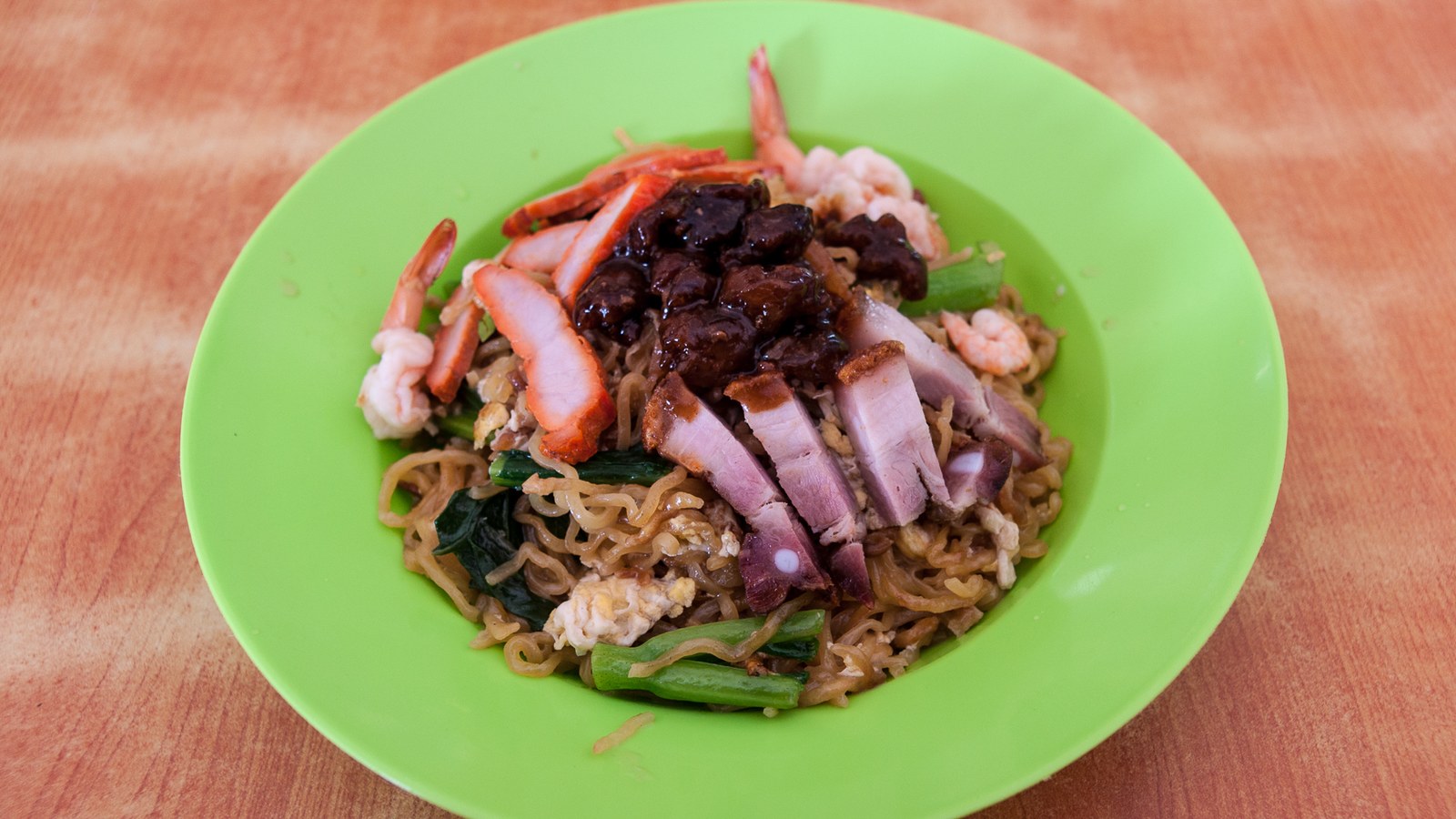
Sinsuran Complex's Seng Hing Coffee Shop has been serving Tuaran mee for more than 40 years, and it's widely cited as one of the best places in KK to try it. Tuaran mee itself is a Sabahan specialty — springy, eggy handmade noodles, traditionally from Tuaran town 34km north of the city — and Seng Hing's version gets wok-fried with char siew and a splash of lihing, the Kadazan-Dusun rice wine, which gives the dish a faint sweet aroma you won't find in Peninsular Malaysian kopitiams. It's open daily from roughly 7am to 4pm, and recent reviews put a plate of Tuaran mee at around RM13.
5. D'Place Kinabalu
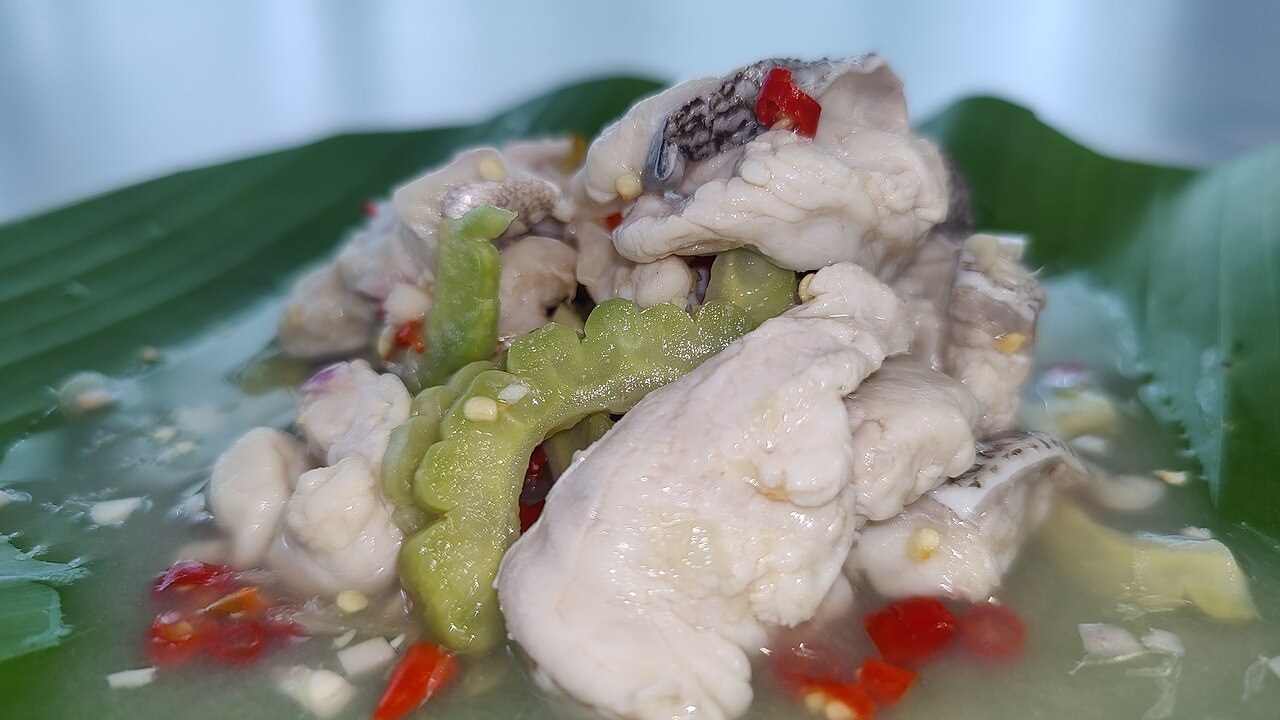
For food that has nothing to do with Chinese-run kopitiams or Malay hawker stalls, D'Place Kinabalu is Sabah's most accessible introduction to Kadazan-Dusun cuisine. It began life in Kepayan but now occupies Lots 2.01 and 2.02 on the 2nd floor of Plaza Shell on Jalan Tunku Abdul Rahman, in the city centre — a five-minute walk from the Waterfront, not a drive out to the suburbs. Staff work in traditional dress and there's a daily Sumazau dance performance built into the lunch and dinner sittings. The buffet spread covers hinava (raw fish "cured" in lime juice and bambangan, a wild mango), tuhau (pickled wild ginger stem — an acquired taste even for some Sabahans), ambuyat (a glutinous sago starch eaten by twirling onto bamboo forks and dipping into sour or savoury sauces) and linopot (rice steamed in tarap leaf). It's touristy by design, but the food is genuinely representative. One caution on price and timing: the RM45.90 nett per adult dinner-buffet figure that circulates online traces back to older listings, and the restaurant's own Instagram has not posted since 2021, so there is no current operator-published price to quote. Plaza Shell's own mall directory lists D'Place as open daily 11.30am to 10pm; call +6016-833 2381 to confirm the buffet price and the cultural-show start time before you build an evening around it.
6. Kohinoor Waterfront
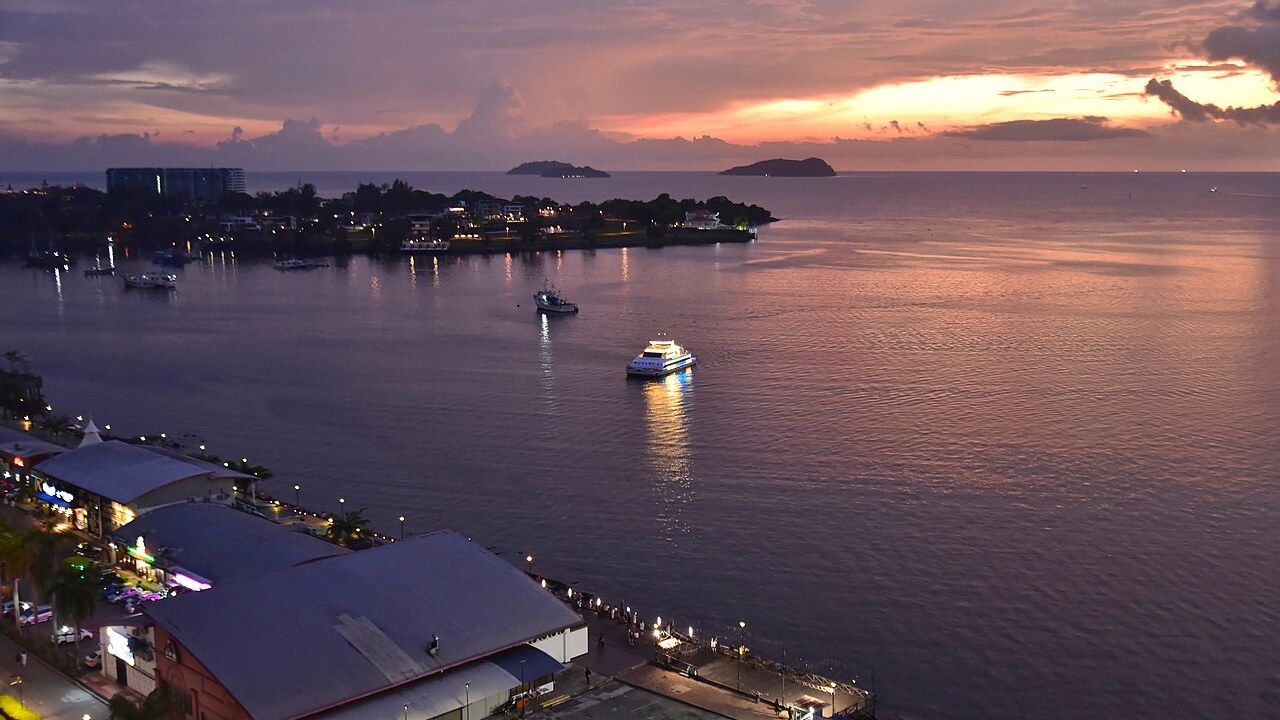
Sitting on the Anjung Samudera stretch of the KK Waterfront (Lot 4, Jalan Tun Fuad Stephens), Kohinoor is the one entry here that isn't a kopitiam or a market — it's a sit-down North Indian restaurant, and it earns its place because the Waterfront boardwalk is otherwise wall-to-wall live-tank seafood. Expect tandoor breads, biryani and rich northern gravies rather than mamak-stall roti; several write-ups make the point explicitly that Kohinoor's cooking is closer to heritage North Indian than to the local mamak repertoire, so don't come expecting a RM2 roti canai counter. It rates around 4/5 on both Google and Tripadvisor, with open-air seating and a sunset sea view. One practical catch: it trades in two sittings, roughly 11.30am–2pm and then 5pm to 11pm (from 5.30pm on Sundays), so the whole middle of the afternoon is a closed door — best treated as dinner at the end of a Waterfront walk, on +60 88-235 160 if you want to book.
7. Tamu Gaya (Gaya Street Sunday Market)
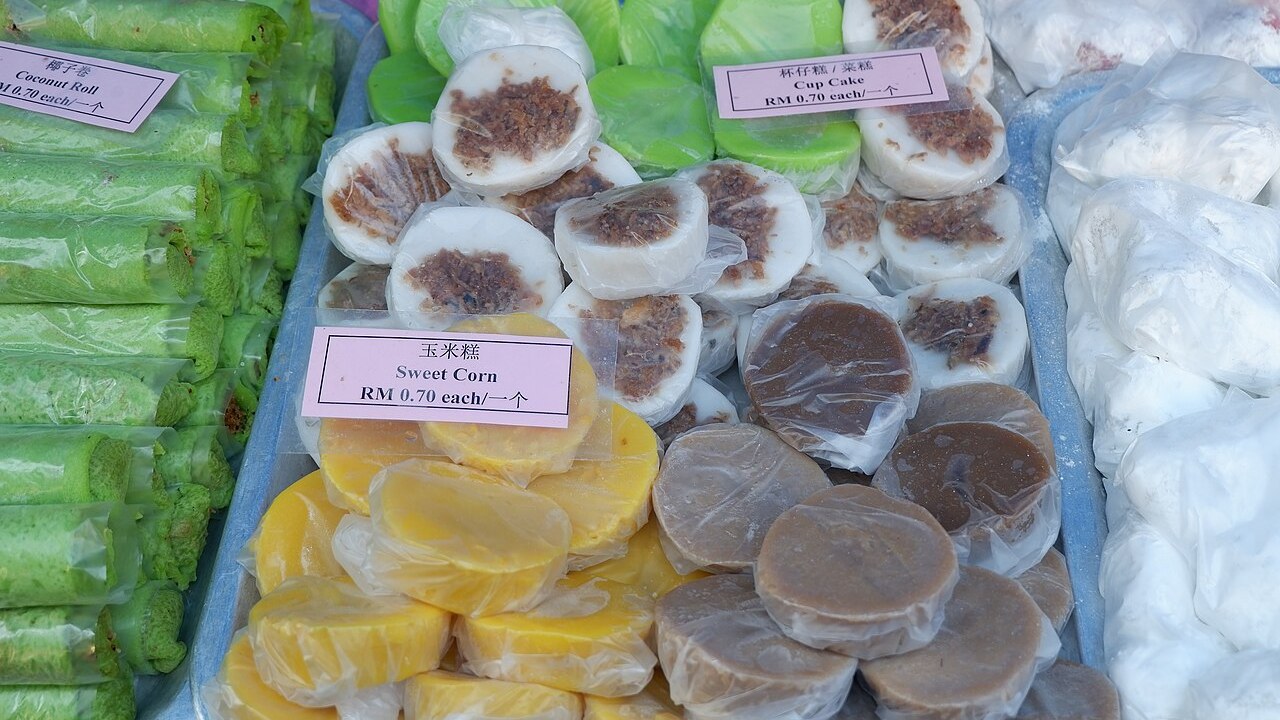
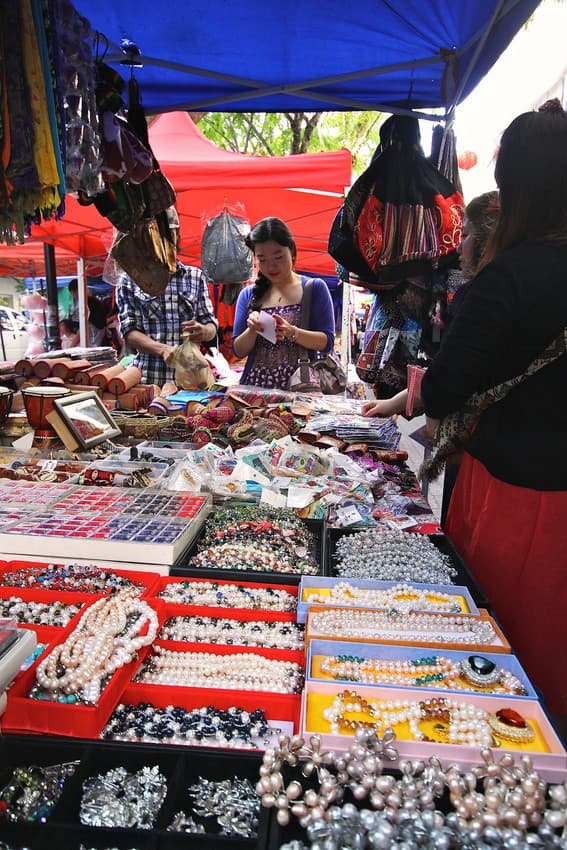
Don't confuse this with the Friday/Saturday night market — Tamu Gaya is Kota Kinabalu's oldest and biggest weekly market, running every Sunday from 6am along the same stretch of Gaya Street. It's built around fresh produce and traditional snacks rather than full sit-down meals: kuih lapis, ondeh-ondeh, kuih ketayap and the Sabahan fried treat kuih cincin sit alongside satay, murtabak, char kuey teow and otak-otak, with fresh durian, rambutan and mangosteen in season. Because it runs right past Kedai Kopi Yee Fung's front door, the two make a natural early-morning pairing — laksa first, then a slow walk through the market for something sweet. On closing time, plan for the earlier figure: Sabah Tourism's destination listing says 1pm while its Gaya Street feature says 2pm, and stalls start packing up through the late morning, so turning up after midday means picking over what's left.
Final Word
None of these seven venues will show up on a "best seafood in KK" list, and that's the point — this is the food Sabahans actually eat between meals and before work, built around ngiu chap, curry laksa, Tuaran mee, Kadazan-Dusun staples like hinava and ambuyat, and the two very different Gaya Street markets bookending the week. Prices are modest almost everywhere except D'Place Kinabalu's cultural-show buffet, and most of this list is walkable within KK's city centre — only Yii Siang needs a short drive out of town, and note it has moved from Inanam to Lorong Perindustrian. Confirm hours before a special trip, since kopitiam opening times in Malaysia shift more often than menus do.
How to pick if you only have one meal
If you want the single most "Sabah" bowl, make it ngiu chap — Yii Siang if you're happy to drive, Yee Fung if you want it inside the city centre with laksa on the same table. If you're travelling with someone who won't eat offal, Seng Hing's Tuaran mee is the safest Sabah-specific dish on this list. If the goal is to eat something you genuinely cannot get in Peninsular Malaysia, that's hinava and ambuyat at D'Place. And if your trip happens to cover a Sunday morning or a Friday/Saturday night, let the markets decide for you — they're free to walk through and you can graze across a dozen stalls for the price of one restaurant meal.
Related reads
- 8 Best Seafood Restaurants in Kota Kinabalu, Sabah — the live-tank half of KK eating, deliberately left out of this list
- 8 Best Cafes & Brunch Spots in Kota Kinabalu, Sabah 2026 — specialty coffee and all-day brunch, the opposite end of the same city
- 8 Things To Do in Kota Kinabalu, Sabah — what to fit around the meals