Finding a licensed maid agency in Malaysia, minus the guesswork
Hiring a domestic helper in Malaysia — whether a local part-time cleaner or a foreign live-in maid from Indonesia or the Philippines — almost always runs through an employment agency licensed by the Department of Labour of Peninsular Malaysia (JTKSM) under the Private Employment Agencies Act 1981, and, for foreign helpers, working within Immigration Department (JIM) rules. These agencies handle candidate sourcing, biodata matching, training, work permit and Fomema medical processing, and after-placement support such as replacement if a helper absconds or turns out to be a poor fit.
The eight agencies below are all currently trading. New in this update: we looked up every one of them in JTKSM's public licence register and have printed the licence number, licence category and licence period alongside each entry, so you are not taking any agency's word for its own licensing. Coverage is mostly Klang Valley, where the bulk of the industry sits, though several serve households nationwide.
Check the licence yourself — it takes two minutes
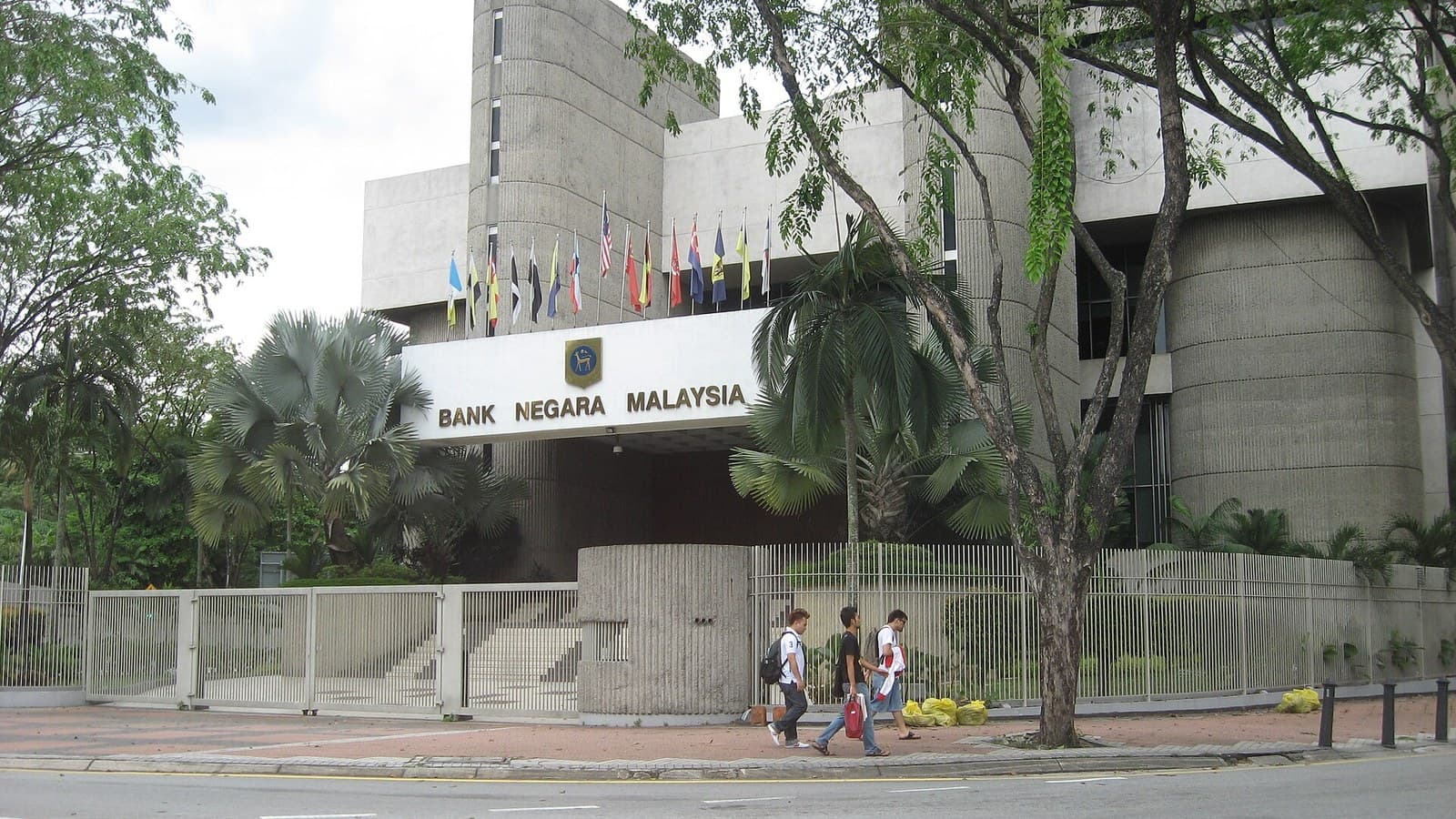
JTKSM publishes a searchable register of every licensed private employment agency in Peninsular Malaysia, filterable by agency name, licence number, category and state. It also carries a separate list of cancelled and suspended licences — the one almost nobody thinks to check. Three things are worth looking at.
The category. Licences come in three types, and they are not interchangeable. Category A covers placement of local job seekers within Malaysia only, which means an agency holding Category A cannot lawfully place a foreign domestic helper at all. Category B adds local workers placed abroad plus foreign domestic helpers within Malaysia. Category C is the widest — local workers in and out of Malaysia plus non-citizen workers generally, including foreign domestic helpers. If you want a live-in foreign maid, the agency needs B or C. All eight below hold B or C.
The licence period. Licences run for 24 months. Two of the eight come up for renewal shortly: APL Maid Agency's recorded period ends 30 September 2026, and Global Ace's ends 14 November 2026. That is not a warning sign by itself — renewal is routine — but if you are about to commit to a two-year placement, ask where the renewal stands before you pay a deposit.
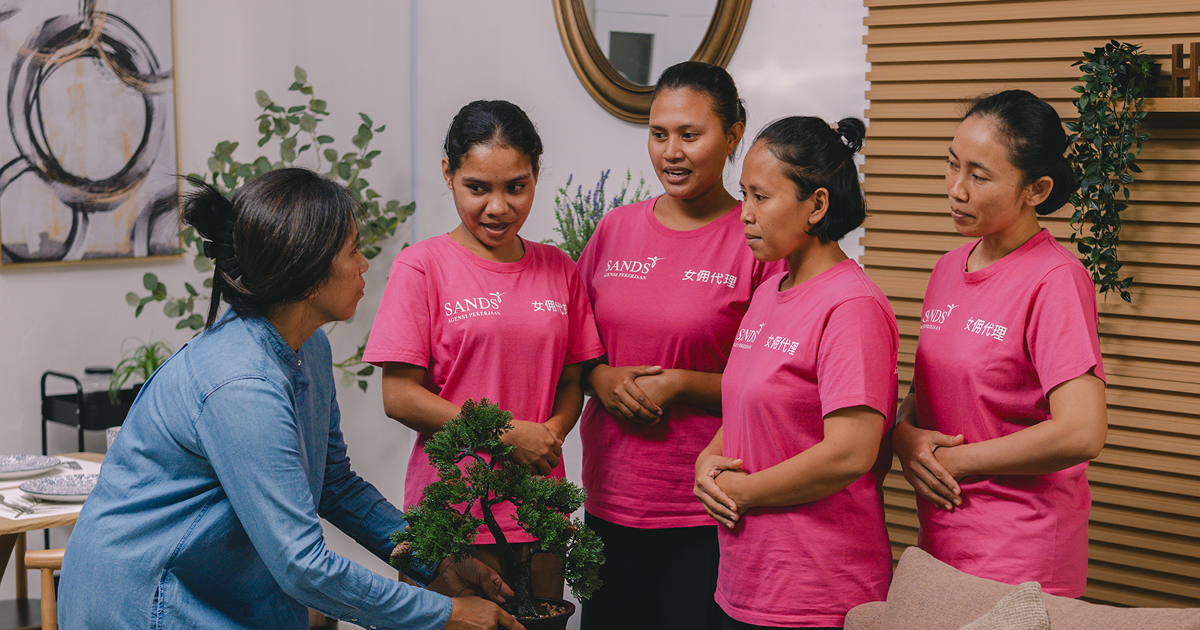
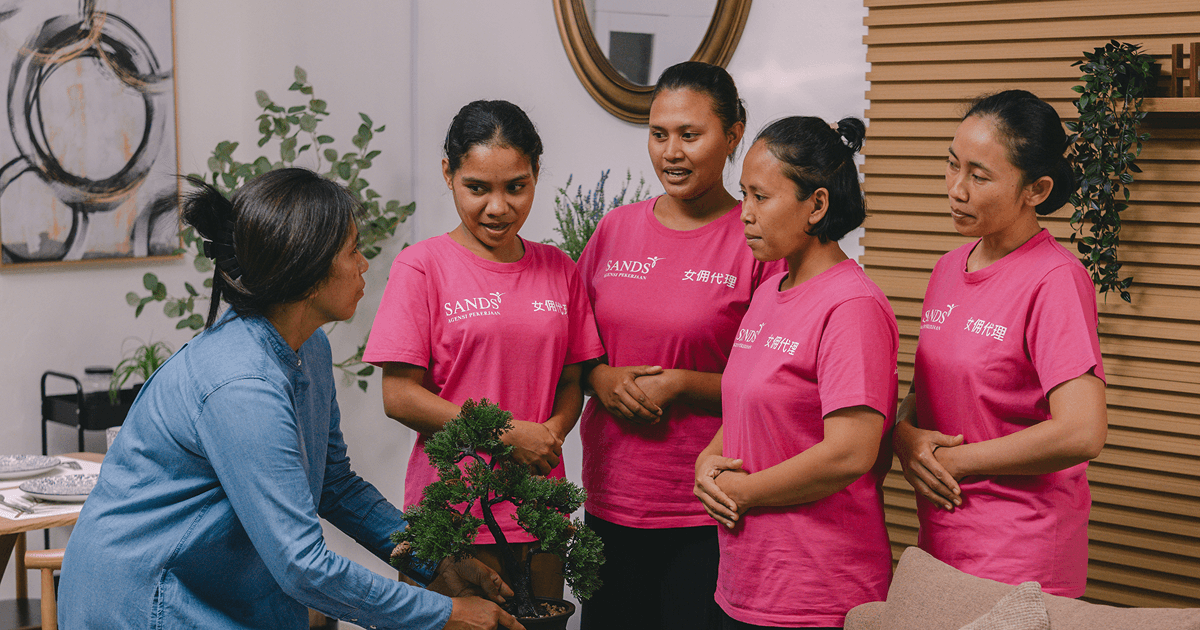
The registered name. Agencies trade under short brand names that rarely match the licensed entity, which is why searching the register for the name on the shopfront often returns nothing. APL Maid Agency is Agensi Pekerjaan Lina Sdn Bhd. DG Maid Agency is Agensi Pekerjaan Danu Gemilang Sdn Bhd. AP Sands is Agensi Pekerjaan Sands Sdn Bhd. Search the registered name, not the billboard.
Can you actually hire one? The rules that decide it
Immigration sets eligibility before any agency does, and a fair number of enquiries fail right here. From the Immigration Department's own foreign domestic helper page:
- You need a qualifying reason. The employer and spouse must have children under 15 years of age, or parents who are sick or ill.
- You need the income, and the threshold depends on nationality. Net monthly income must be RM7,000 to employ an Indonesian helper, RM5,000 for a Filipino, Sri Lankan or Indian helper, and RM3,000 for a Thai, Cambodian, Laotian or Vietnamese helper. A personal bond is payable on top: RM250 for Indonesia, Thailand and Cambodia, RM750 for the Philippines, Sri Lanka and India, and RM1,500 for Laos and Vietnam.
- One helper per family. A second requires more than RM10,000 a month, a third more than RM15,000, and a fourth or beyond needs the special approval of the Director-General of Immigration.
- The helper must be female and between 21 and 45 years old, residing in her country of origin when the application is made, certified fit by an appointed medical centre, and must enter Malaysia on a Visa With Reference.
- Muslim employers may only employ Muslim helpers, and anyone who has been declared bankrupt cannot apply.
- Approved source countries are Indonesia, Thailand, Cambodia, the Philippines, Sri Lanka, India, Vietnam, Laos and Nepal.
Once she arrives, she must pass a medical examination at a Fomema-appointed clinic, and you have one month from her arrival date to obtain the PL(KS) pass sticker from the state Immigration office.
What it actually costs
One number is set officially. Under the Malaysia–Indonesia memorandum of understanding on domestic helpers, enrolling an Indonesian helper through an appointed Malaysian Recruitment Agency is capped at a maximum of RM15,000, and her minimum wage is RM1,500 a month. Her contract must be certified by the Indonesian Embassy, applications must go through a Malaysian Recruitment Agency paired with an Indonesian Placement Agency, and the household she joins may have at most six members. Filipino placements are not capped by an equivalent published ceiling, and agencies commonly quote in a similar range.
One thing that surprises most first-time employers: domestic employees are excluded from Malaysia's RM1,700 minimum wage order. Outside the Indonesian MOU floor of RM1,500, a helper's pay is set by her employment contract, not by the national minimum wage.
After the first year the recurring costs take over. Agencies and industry guides — rather than any single published government schedule — put the annual levy at roughly RM410, the Fomema medical at around RM180 to RM220, and compulsory insurance at about RM120 to RM250, with a full permit renewal typically landing somewhere in the RM600 to RM900 region. Treat those as a planning guide rather than a quotation, and get current figures from your agency in writing, because they move.
Replacement warranties: read them against the Immigration rule
Every agency here sells a guarantee, and they range from three months to twelve. These are commercial promises about who absorbs the cost and effort of a replacement — they are not the same thing as Immigration's own replacement rule, and it pays to know the difference before a 12-month warranty makes the decision for you.
For Indonesian helpers under the MOU, Immigration allows an employer to take on a replacement helper within 3 months where the helper did not perform or failed to do the duties required, or was found unsuitable, and within 6 months where she absconded. So a longer agency warranty is telling you about that agency's service commitment, not about an extended right to a fresh permit. The question to ask is narrower and more useful: if I need a replacement in month eight, what exactly does it cost me, and does the warranty cover the levy, the Fomema medical and the insurance a second time, or only the agency's own fee?
What each agency actually offers
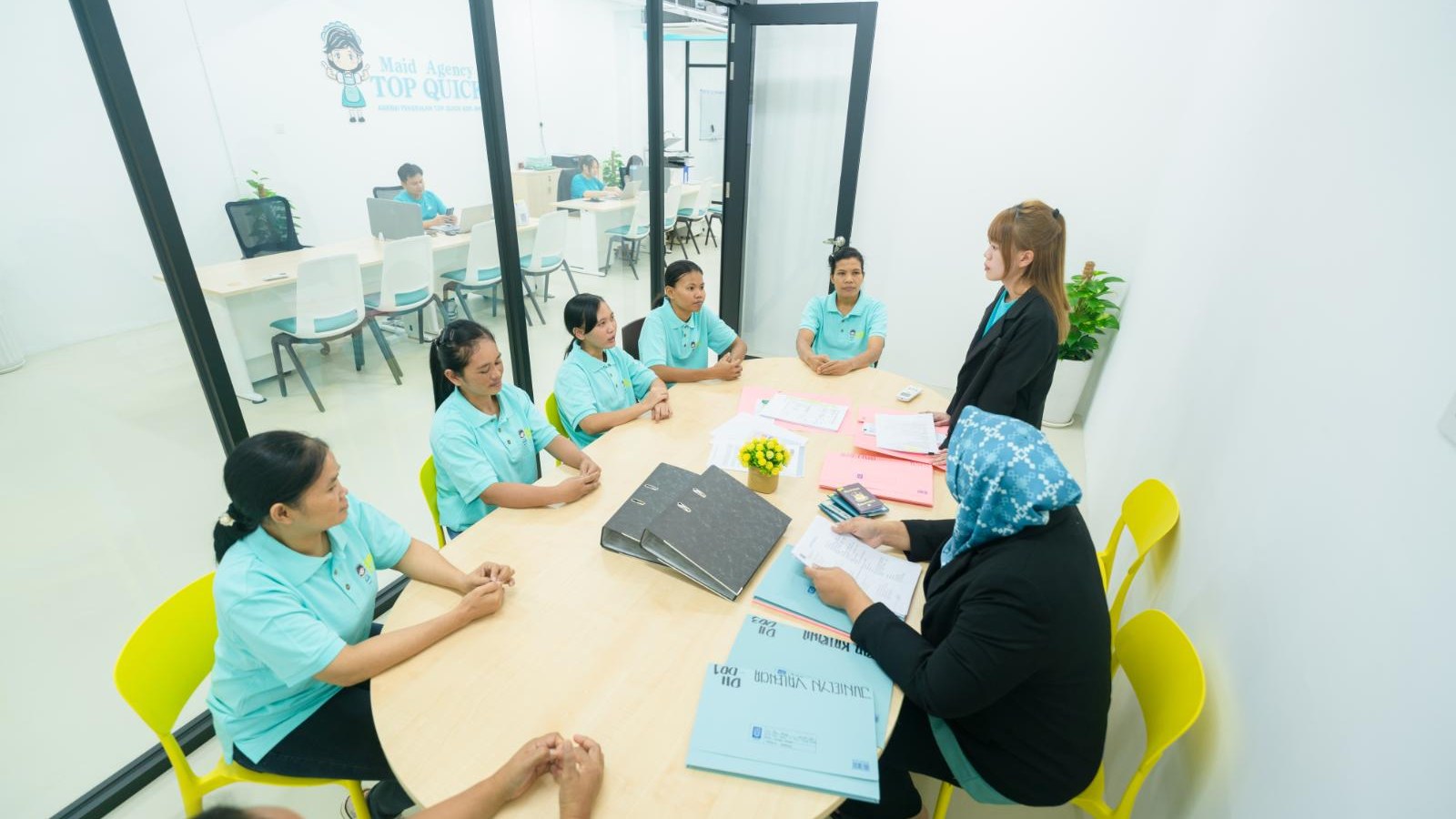
Beyond the licence, the things worth comparing are: whether the agency places local helpers, foreign live-in maids, or both; whether part-time or hourly cleaning is offered alongside full-time live-in placements; how long the stated replacement window runs and what a replacement costs; and which nationalities are available, since that determines your income threshold and bond. Guarantee periods and years in operation below are listed only where the agency's own website stated them at the time of writing.
How to pick, in order
Start with eligibility, not shortlists. Check the qualifying reason and the income threshold for the nationality you have in mind before you tour a single agency — the RM7,000 Indonesian threshold rules out households that comfortably clear the RM5,000 Filipino one, and that alone can decide your shortlist.
Then check the register. Look up the registered name, confirm the category is B or C, note when the licence period ends, and glance at the cancelled and suspended list while you are there.
Then match the model to the household. If you want a full-time live-in maid, most of this list applies. If you actually want a few hours of cleaning a week, Global Ace is the one here that offers part-time and one-time cleaning packages alongside full-time placements, and a dedicated cleaning service will usually beat a maid agency on both price and flexibility.
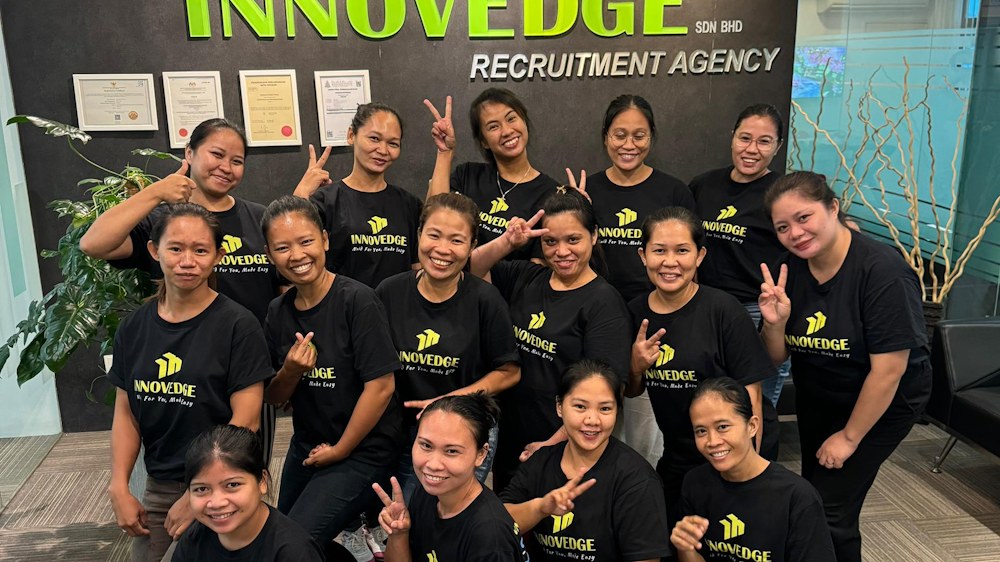
Then interrogate the warranty. Innovedge's 12 months and Top Quick's 10 months are the longest stated here, AP Sands runs a 6-month warranty with a further 3 months after the initial 90 days, and DG advertises cover in the 180-day to 9-month range. Get the replacement fee, not just the window, written into the agreement.
Then get the whole cost on one page — agency fee, monthly salary, levy, Fomema, insurance, permit renewal and the replacement fee — before you sign anything. Agencies here compete on the headline placement fee, and the recurring costs are where the surprises live.
Related reads
- Maid and domestic helper agencies in Johor Bahru — the JB-specific list, with a different set of agencies
- Home and office cleaning services in KL and the Klang Valley — if part-time cleaning is what you actually need
- Confinement centres and nanny agencies in KL — for newborn care rather than year-round help