What makes a mamak, a mamak
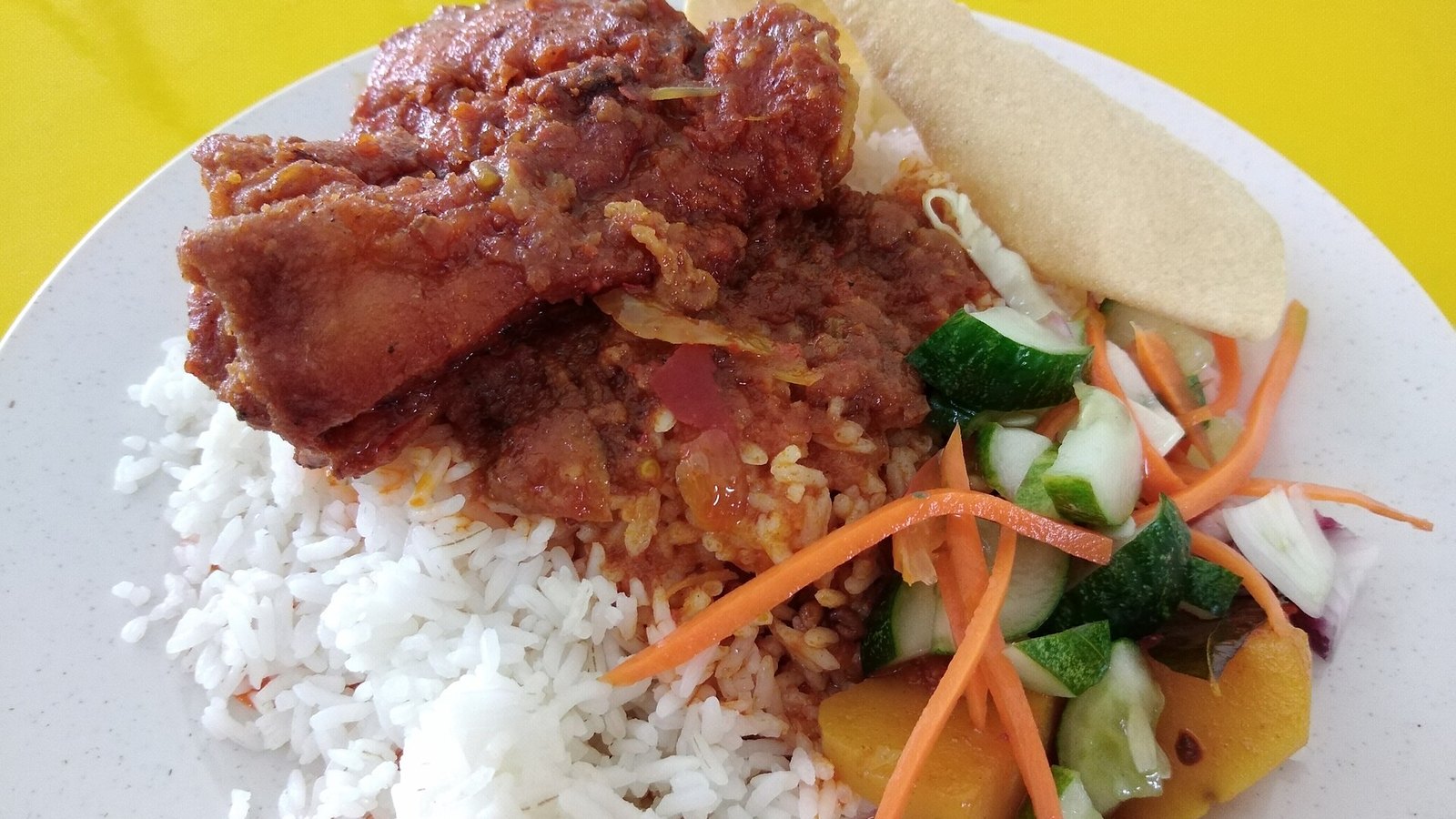
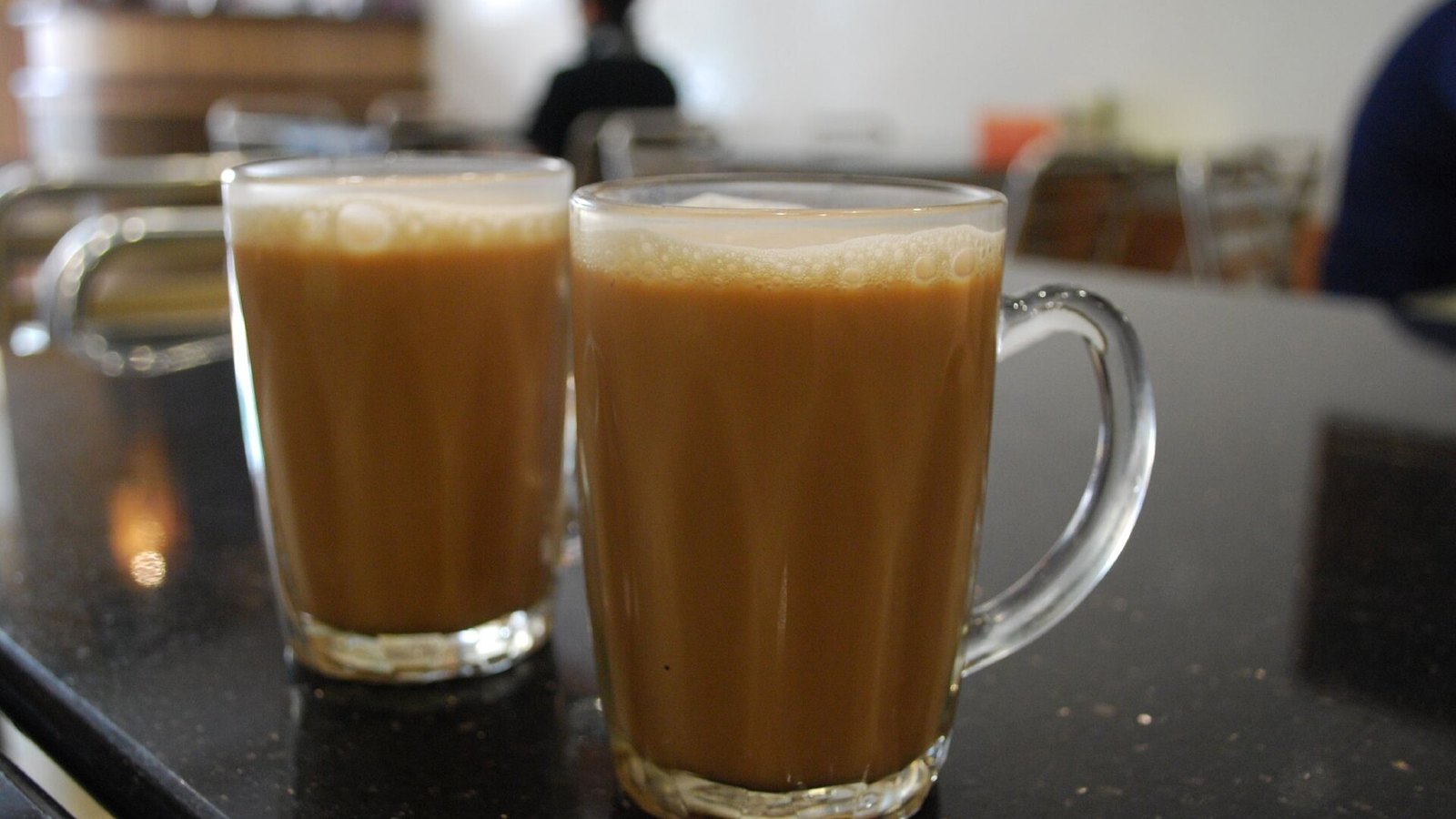
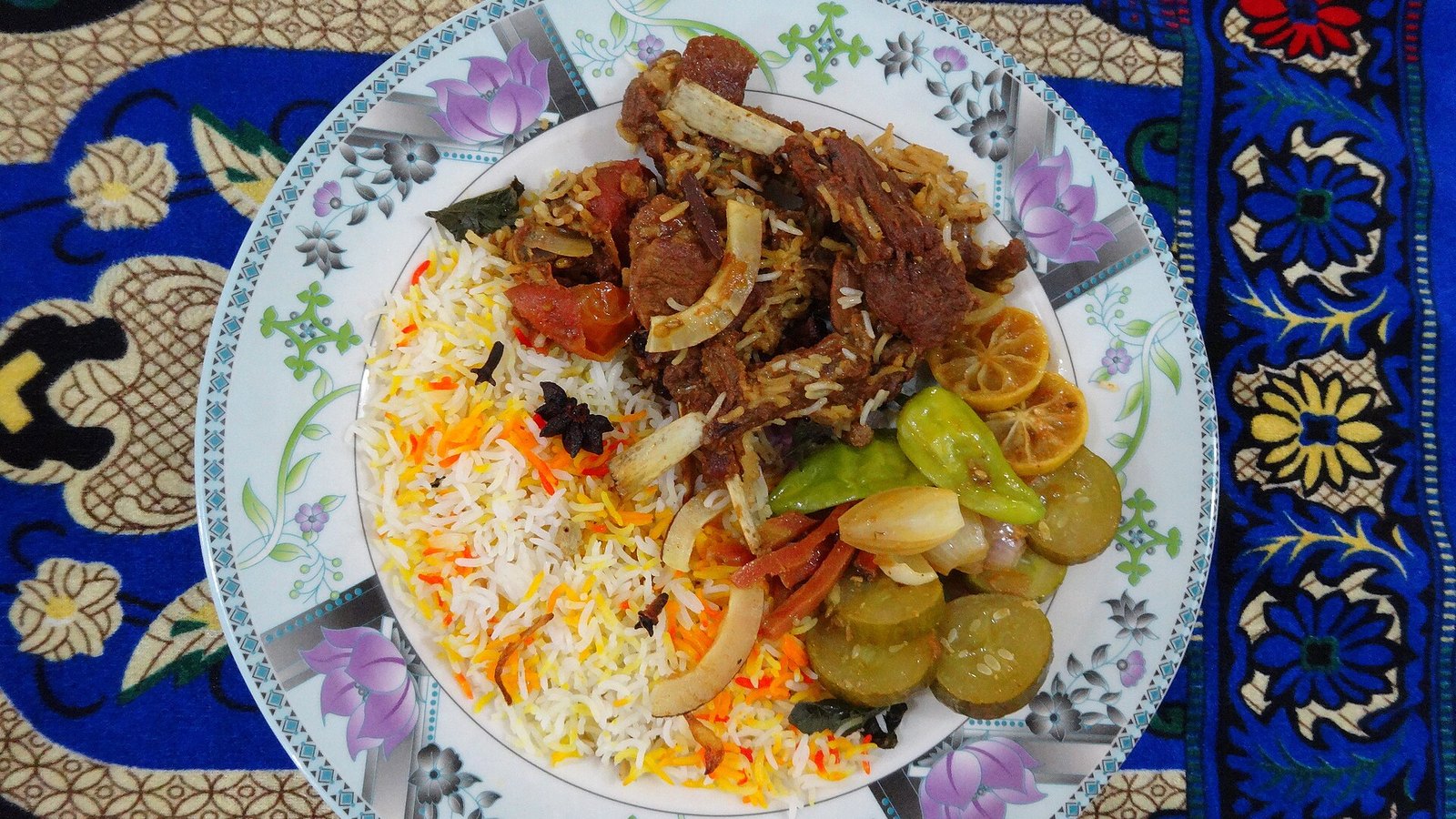
"Mamak" restaurants trace back to Tamil Muslim families who blended South Indian and Malay cooking traditions, and they're a cornerstone of Malaysian street-food culture — typically open long hours, Muslim-friendly, and serving everything from roti canai and nasi kandar to mee goreng and teh tarik. Many run 24 hours, which is why mamak culture is so tied to KL's after-dark social life.
How to choose one for roti canai
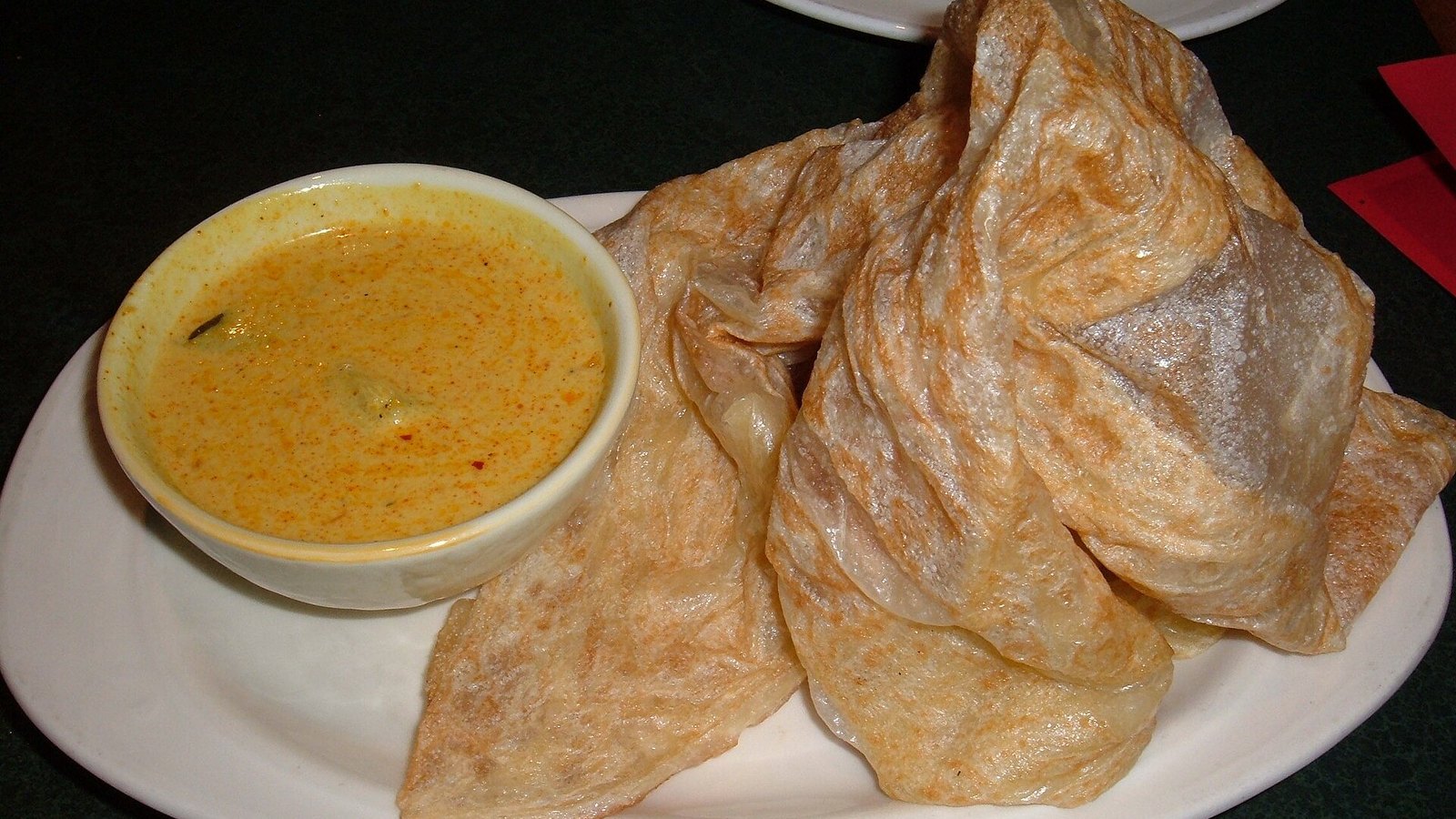
Three things separate a good roti canai stall from a forgettable one. The first is turnover — dough that has been sitting all day fries heavy, so the stalls busiest at breakfast and supper hours tend to serve the lightest roti. The second is what arrives alongside it: some spots pour a single dhal, while others (Nasi Kandar Pelita on Jalan Ampang among them) bring three separate curries to dip into. The third is timing, and it is the one most worth checking. A kitchen that genuinely runs 24 hours and one that shuts at 10pm are very different propositions at 2am, and online listings are frequently wrong on this point — as the Yusoof dan Zakhir entry below shows. The fourth thing, which no listing will tell you, is whether the business at that address is still the one you read about: two of the eight names on this list changed in the eight weeks before this update.
The eight spots
The list below spans Kampung Datuk Keramat and Chinatown in KL proper, the KLCC late-night crowd, Bangsar's banana-leaf-and-roti combos, and PJ's SS2, Section 11 and Taman Bahagia clusters — all currently operating, cross-checked across independent food-blog and review sources during this search.
Roti canai, roti tisu, murtabak — what's the difference
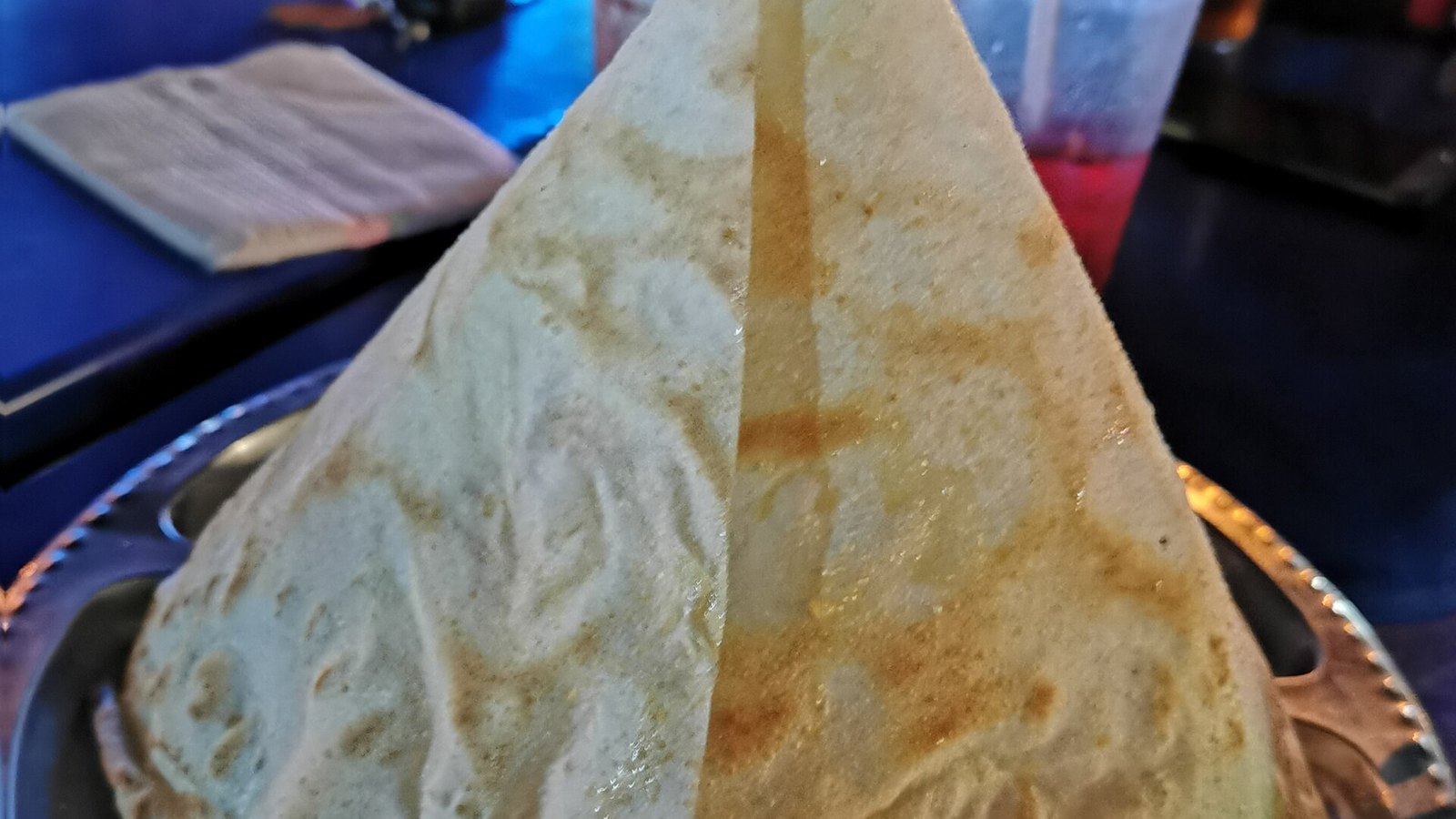
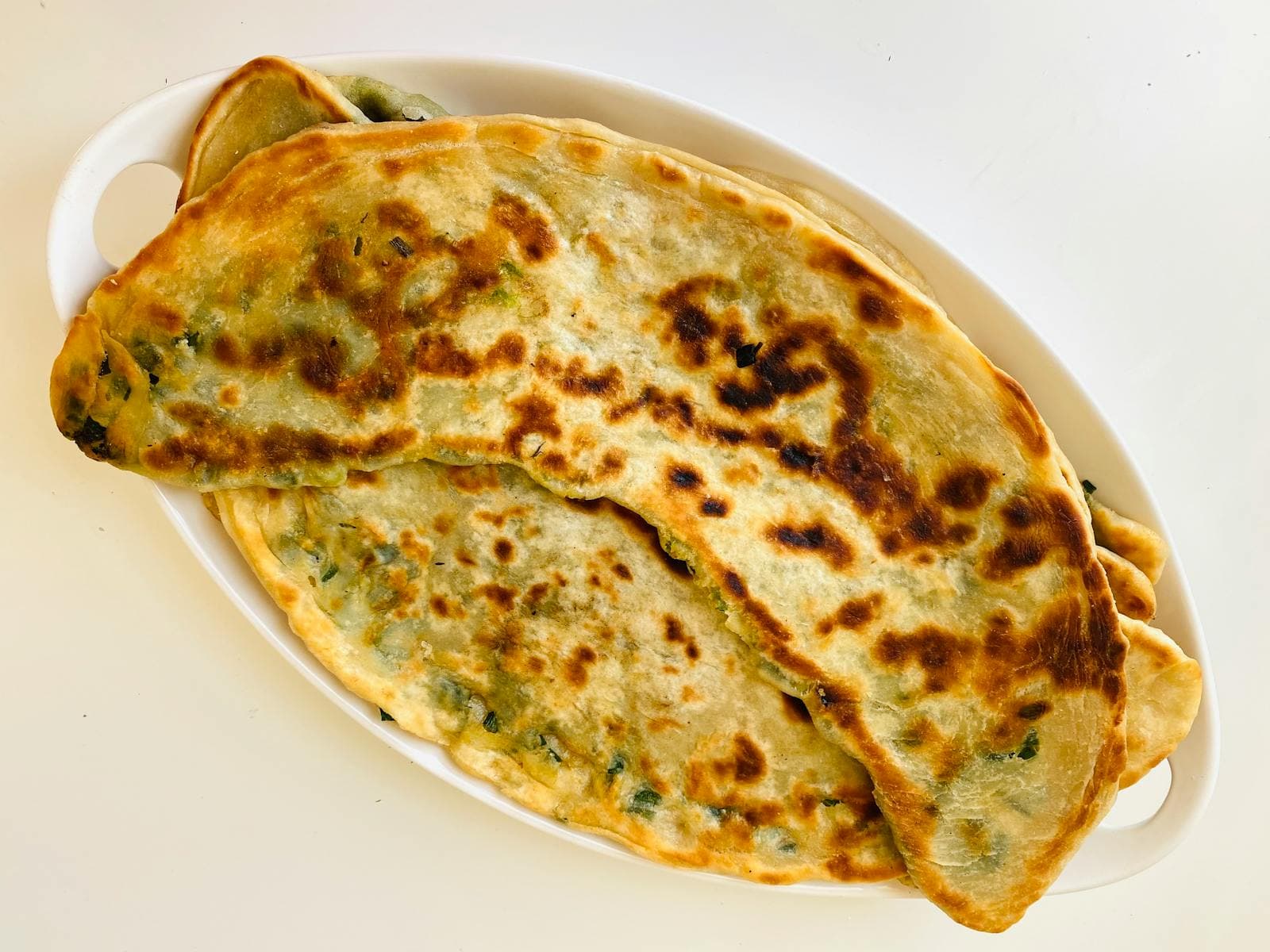
Roti canai is the plain flaky flatbread, pan-fried and served with dhal or curry for dipping. Roti tisu ("tissue roti") is the same dough stretched paper-thin, fried crisp, then folded into a tall cone and dusted with sugar or condensed milk. Murtabak is roti canai dough stuffed with a savoury filling — usually minced meat, egg and onion — before being folded and grilled, making it a heartier, meal-sized version.
What it costs in 2026
Mamak roti remains some of the cheapest cooked food in the Klang Valley, but the gap between a stall and a sit-down restaurant has widened. The Malaysian price tracker hargasekilo.my, updated in August 2026, puts roti canai kosong nationally at RM1.00 to RM3.00, roti telur at RM2.50 to RM5.00, roti planta at RM2.50 to RM5.00 and roti sardin at RM4.50 to RM8.00.
Against that, Devi's Corner Signature in Bangsar is the only spot on this list that publishes a full menu, and it sits at the restaurant end of the scale rather than the stall end:
- Roti canai — RM3.90
- Roti bawang — RM4.90
- Roti telur — RM5.90
- Roti tissue — RM7.90
- Roti bom — RM8.90
- Roti cheese — RM9.90
- Roti sardine — RM12.90
- Teh O — RM3.90, teh tarik RM4.90 hot and RM5.90 cold
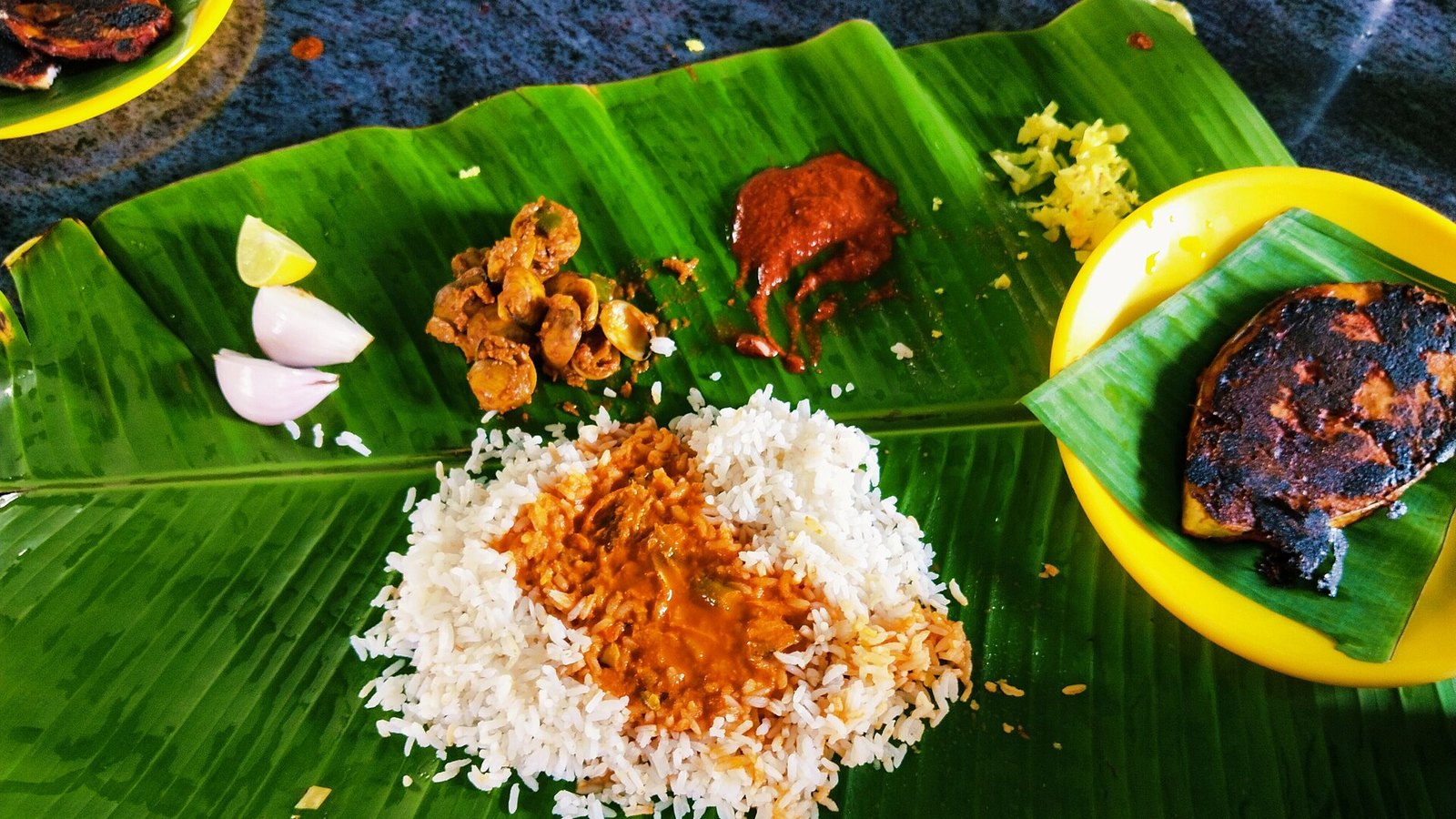
- Banana leaf rice set, unlimited refills — RM15.90
Those are all before the 10% service charge and SST the restaurant adds, so a roti canai and a teh tarik there lands nearer RM10 than the RM4 to RM6 the same order costs at a street-side stall. The other seven on this list are stalls and nasi kandar houses that do not publish full price lists, so no figures are quoted for them. No dated promotion was found on any of the eight operators' own channels during this check, beyond the standing vegetarian banana leaf set noted below.
What changed since the last update
Two of the eight entries no longer describe the business at that address, which is the main reason this list was rewritten rather than re-dated.
Devi's Corner has moved and rebranded. The Jalan Telawi 4 shop is gone. The business now trades as Devi's Corner Signature from No. 22-G Jalan Telawi 3, a few doors from Sri Nirwana Maju, with a second branch on Level 1 of Hotel Maya at 138 Jalan Ampang. The practical consequence is the hours: 7am to 11.30pm daily in Bangsar, which retires its old reputation as a 2am stop.
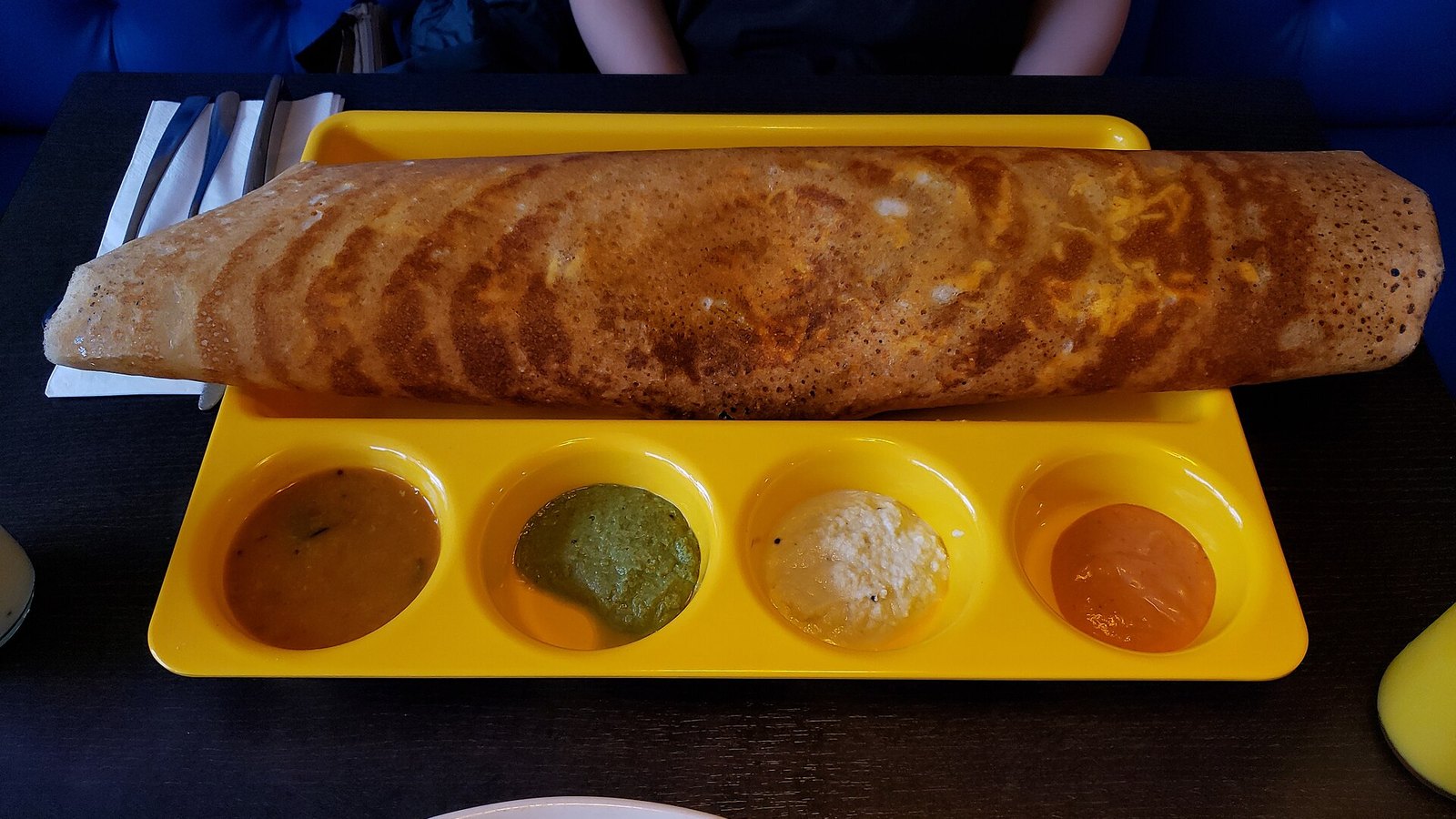
Sri Paandi in Section 11 is now Restoran Sri Seenu. The restaurant at 39 Jalan Dato Mahmud 11/4 keeps the same shop lot and the same phone number, but no longer the name, and there is no Sri Paandi restaurant left in Section 11 at all. The menu is still banana leaf, roti canai and thosai, so the entry stays — under the name you will actually see on the signboard.
Picking a spot
For a classic no-frills roti canai, Valentine Roti in Kampung Datuk Keramat is the one locals point to first, and it runs until nearly midnight. For a genuine round-the-clock fallback, Nasi Kandar Pelita on Jalan Ampang is the KL choice — its own site advertises 24-hour service, with a short Friday prayer break — while Original Kayu in SS2 and SK Maju at Taman Bahagia cover PJ. Restoran Yusoof dan Zakhir beside Central Market is the one to plan around rather than rely on late: despite its 24-hour reputation, its live listing closes at 10.30pm, so treat it as a daytime stop. If you're in Bangsar, MICHELIN Bib Gourmand-listed Sri Nirwana Maju and Devi's Corner Signature both pair roti canai with banana leaf rice — check Sri Nirwana's Google listing first, since it takes the first and third Tuesday of the month off — and in PJ, Sri Seenu in Section 11 is the pick when you want thosai alongside the roti.
Related reads
- Best Nasi Kandar in KL & Klang Valley 2026 — the rice-and-curry side of many of these same restaurants
- Best Nasi Lemak Spots in KL & PJ 2026 — the other classic Malaysian breakfast
- Best Chicken Rice Restaurants in KL & PJ 2026 — for a non-mamak lunch nearby