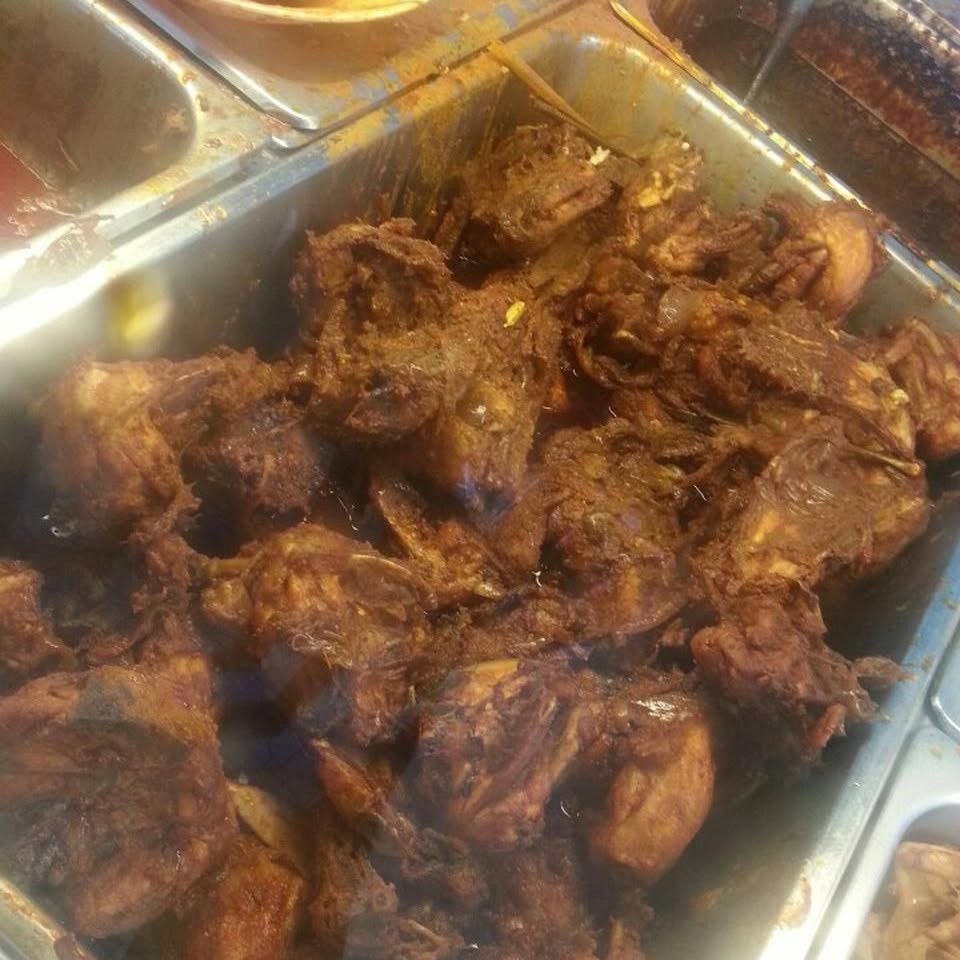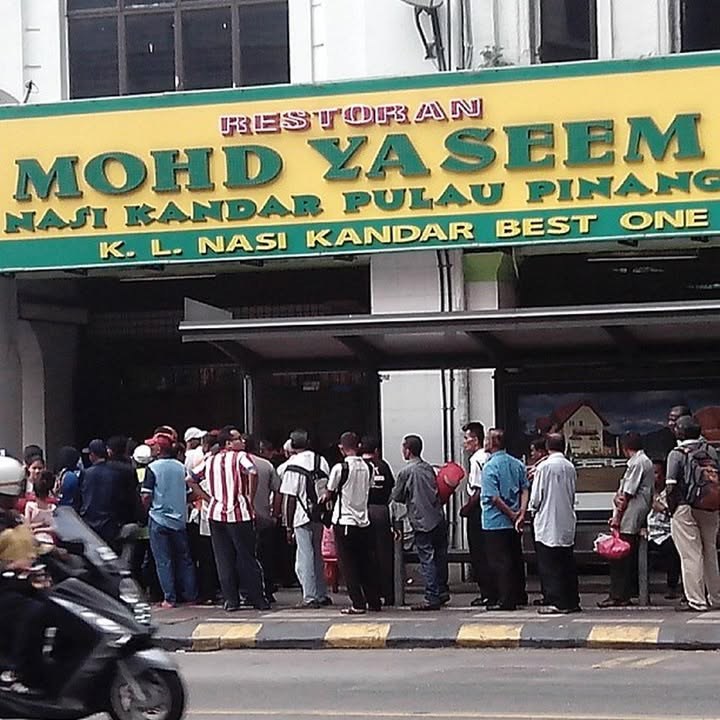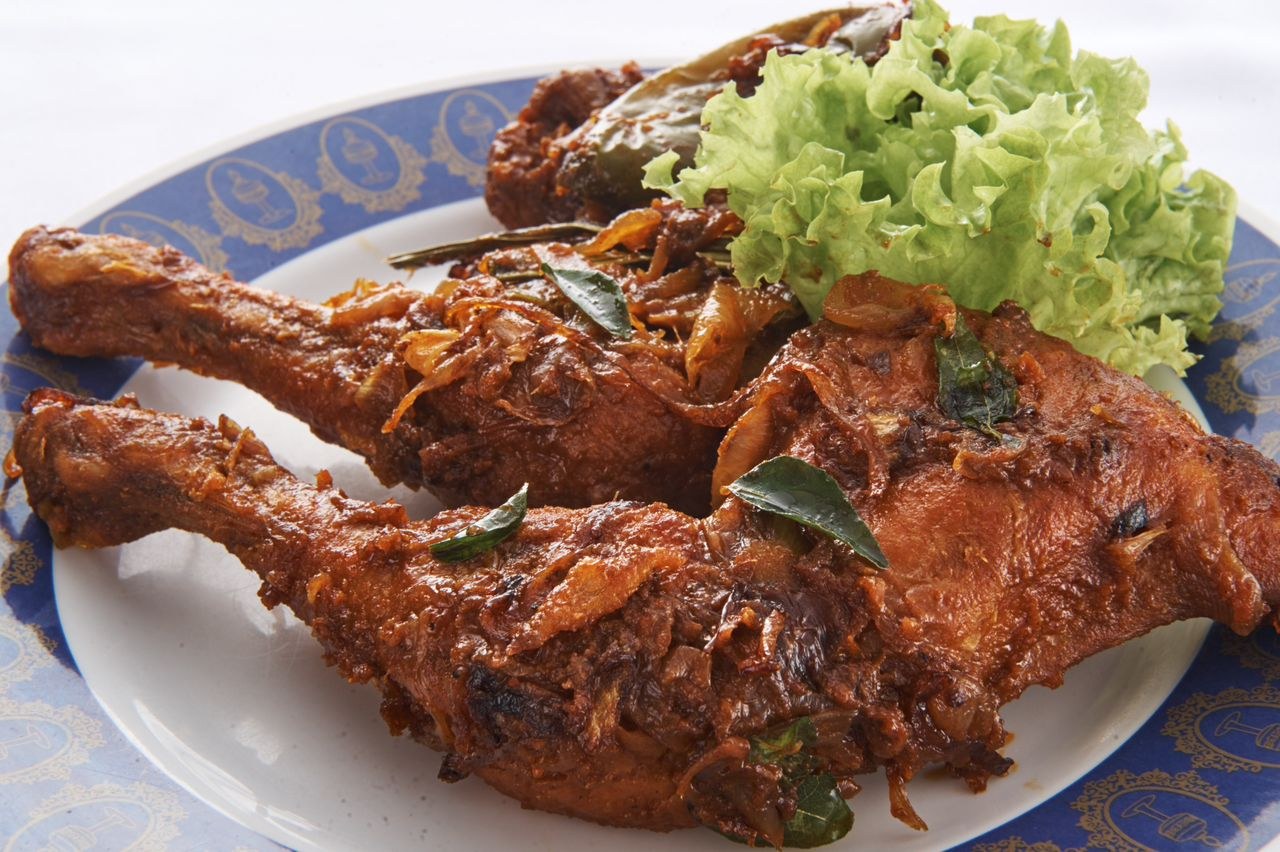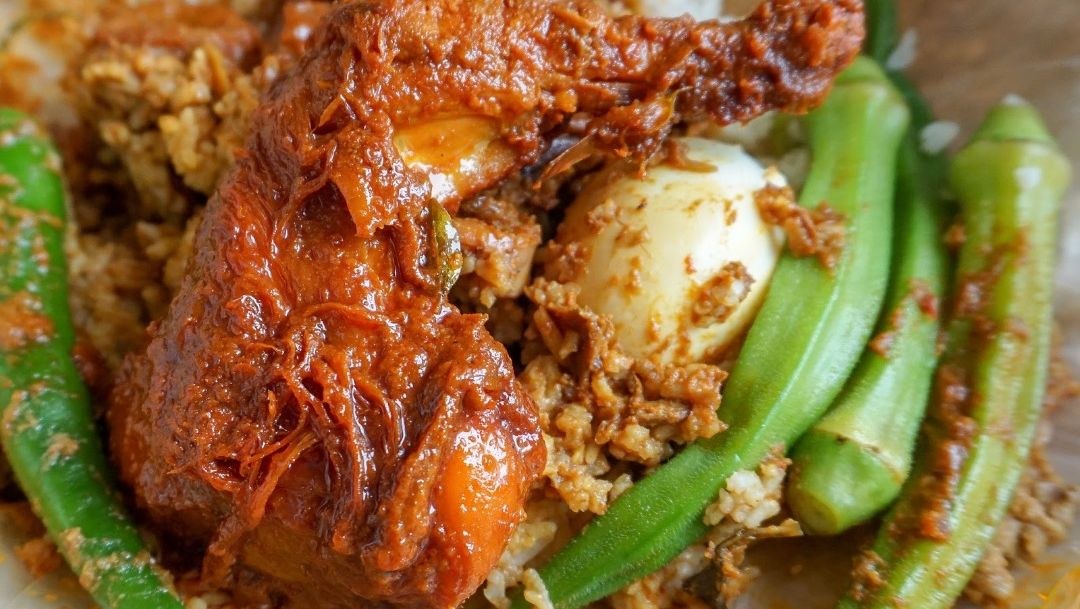
Nasi kandar ("carried rice") began generations ago in Penang as steamed rice ladled with a choice of curries, fried chicken, squid, egg and vegetables, then doused at the counter in a mix of the different curry gravies — the dish's signature "banjir" (flooded) style. The name comes from the Tamil Muslim hawkers who once carried rice and curry pots balanced on a shoulder pole (*kandar*). It's since become one of the most widely eaten meals in the Klang Valley, sold everywhere from decades-old shops on Jalan Tuanku Abdul Rahman (Jalan TAR) in Chow Kit to newer Klang Valley outlets of Penang-founded chains.
This list rounds up seven real, currently trading nasi kandar restaurants across KL and the Klang Valley, each independently checked against its own website, official Facebook page or online ordering platform. It spans Jalan TAR originals that have fed Chow Kit for decades, a century-old Penang institution's KL outpost, and outlets in Bangsar Baru, Petaling Jaya and Shah Alam.
How to choose your nasi kandar spot
Four things separate a good nasi kandar run from a disappointing one, and none of them are on the menu board:
Timing beats everything. Nasi kandar is cooked in big batches from mid-morning, so the widest spread — and the freshest fried chicken and squid — is usually mid-to-late lunch. Arrive at 3pm and you're picking through what's left. Food-court operators like Zainul in PJ close by late afternoon entirely, while 24-hour chain outlets like Pelita Bangsar Baru keep the counter stocked around the clock but rotate a narrower late-night selection.
Ordering style. The old Jalan TAR shops are counter-service: you point at what you want, the server ladles it over rice and floods the plate with mixed gravy ("banjir"). Newer multi-concept dining rooms such as Hameediyah in Bukit Bintang add table service, à la carte plates and air-conditioning — more comfortable, and priced accordingly.
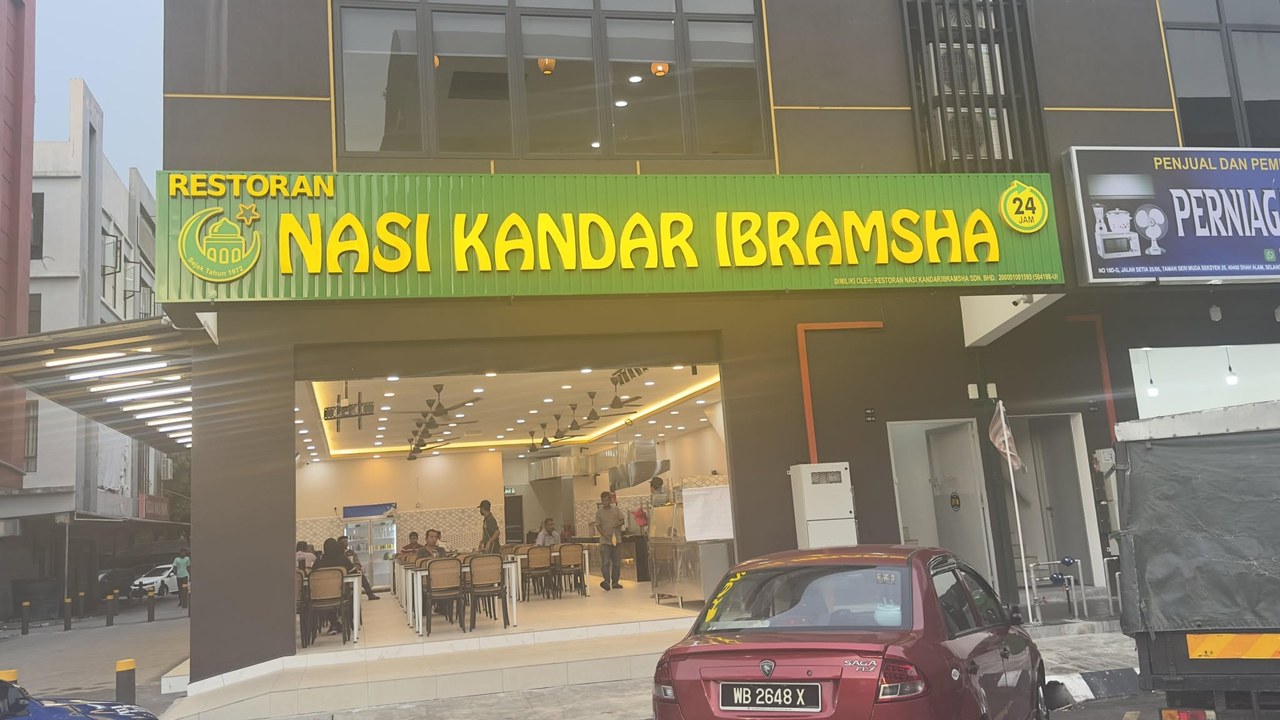
What you actually pay. A plain plate of rice with one meat and vegetables typically lands in the RM8–RM15 range at the older shops. Reported real-world spends from the outlets on this list: roughly RM22 for two at Mohd Yaseem on Jalan TAR, around RM30 per person at Zainul in PJ, and RM35 for a fully loaded plate — sotong, fried chicken, mutton tripe, cabbage and onion chicken — at Ibramsha in Shah Alam, which the reviewer described as enough for two. Prawns, lamb shank and fish head push any bill up sharply, so ask before you point.
Friday prayers. Most Muslim-owned nasi kandar shops close for roughly an hour around Friday midday. Kudu Bin Abdul lists a Friday break of about 12:30pm to 2:30pm; Mohd Yaseem's is reported at roughly 1pm to 2pm. Plan a Friday lunch either side of that window.
Prices and exact opening hours for mamak-style operations change often and vary by branch, so where a figure or schedule couldn't be independently confirmed, we've described the offering without inventing a number — always worth a quick check with the outlet before a late-night run.
How to pick, in one line
Want the old Chow Kit institutions and don't mind plastic chairs? Kudu Bin Abdul or Mohd Yaseem on Jalan TAR. Want heritage cooking in a comfortable dining room? Hameediyah in Bukit Bintang. Need food at 3am? Pelita Bangsar Baru, which runs 24 hours. Eating in PJ on a weekday? Zainul, but get there before it shuts mid-afternoon. Driving from the Shah Alam side? Ibramsha, now settled into Taman Sri Muda after more than 50 years on Jalan TAR.