Solar in Malaysia just changed its rulebook
If you looked into rooftop solar in Malaysia a year or two ago, forget most of what you read. The NEM (Net Energy Metering) 3.0 programme — which let households export excess solar power to TNB's grid on a 1-for-1 credit basis — closed to new applications in mid-2025 after its national quota filled up. The SolaRIS (Solar for Rakyat Incentive Scheme) cash rebate, which once handed qualifying households up to RM4,000 toward a system, also wound down in April 2025.
In their place, Malaysia's Energy Commission and SEDA launched Solar ATAP (Solar Accelerated Transition Action Programme), effective from 1 January 2026. It's a self-consumption-first model — your home uses the power your panels generate first, and only the surplus is exported to TNB's grid — and unlike NEM, it has no fixed national quota, so applications stay open year-round. Domestic exporters sign a 10-year contract with TNB and get credited RM0.27/kWh for monthly usage up to 1,500kWh, or RM0.37/kWh above that; commercial and industrial users are credited at the System Marginal Price (SMP) instead.
What hasn't changed is that every legitimate installer still needs to be a SEDA-registered PV service provider (RPVSP) to handle your Solar ATAP or NEM Rakyat paperwork, TNB grid-connection application, and system commissioning. Below are 8 real, currently-operating solar EPC companies we verified this year via their own websites, official SEDA/Bursa Malaysia listings, or recent news coverage — all serving the Klang Valley, most nationwide.
SuRIA Home: the RM3,000 cash rebate is back — but only until December
The single most useful thing a Malaysian homeowner can know in 2026 is that the cash rebate did not stay dead. On 22 May 2026 the Ministry of Energy Transition and Water Transformation (PETRA) announced SuRIA Home, worth RM600 for every 1kWac installed, capped at RM3,000 — a ceiling you reach at 5kWac. TNB administers it, and eligible customers began being contacted from 1 June 2026 via their TNB-registered email, after which they submit local bank account details for payment.
The fine print decides whether you actually get it. It is open only to individual Malaysian domestic low-voltage (LV) consumers whose Solar ATAP system has genuinely commenced operation with TNB — signing a contract is not enough. It is one claim per eligible person, distributed first-come-first-served, and it runs until 31 December 2026 or until the 250MW national quota is exhausted, whichever comes first. The total allocation is RM150 million, expected to reach 45,000–50,000 homes. Note the unit carefully: the rebate is paid on kWac, the inverter's AC output rating, not the kWp of panels on your roof — so a system marketed as "5kWp" may not earn the full RM3,000.
What a home solar system actually costs in 2026
None of the installers below publish a fixed RM-per-kWp rate, because the number genuinely depends on your roof. But the Malaysian market has settled into recognisable bands, and knowing them is the difference between spotting a bad quote and signing one. A fully installed residential system runs roughly RM3,000–RM4,000 per kWp in 2026. In actual houses, that works out to:
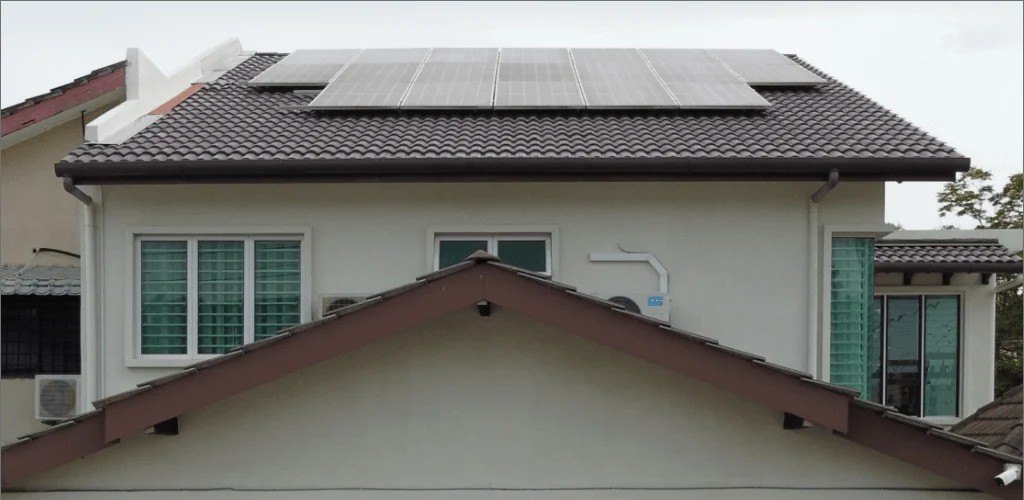
- Terrace house (single or double storey), 4–5kWp: about RM15,000–RM22,000, using roughly 16–20 sqm of roof.
- Semi-detached, 7–9kWp: about RM26,000–RM38,000.
- Bungalow, 10kWp and above: about RM38,000–RM60,000, and higher for larger arrays.
Most landed homes end up somewhere in the RM18,000–RM35,000 span. That price normally covers the panels, the inverter, mounting, wiring, the Solar ATAP application and the TNB meter work. What it does not cover is battery storage — add roughly RM8,000–RM20,000 on top — or an inverter replacement partway through the system's life.
What to check before signing with any installer
Beyond SEDA registration, ask any shortlisted installer for: their CIDB (Construction Industry Development Board) grading if the job needs one, whether your system will run under Solar ATAP or the older NEM Rakyat rules (if you already have an existing NEM contract), what panel and inverter brands and warranty terms they use, and whether financing is arranged through a green loan, hire-purchase, or a subscription model rather than upfront cash. Two additions for 2026: ask explicitly whether the installer will handle your SuRIA Home rebate submission, and get the quoted system's kWac figure in writing, not just its kWp. Because cost depends so heavily on roof type, shading and system size, every installer below quotes case-by-case — treat any online "starting from RMxxx" figure as a rough ballpark, not a binding price, until you've had an actual site survey.
How the eight below differ
They are not interchangeable, and the split matters more than any ranking. Solarvest and Pekat Solar are Bursa-listed groups whose centre of gravity is large-scale and commercial work — a single terrace-house job is a small order to them, but their balance sheets mean they will plausibly still exist in year ten of your warranty. SOLS Energy and Verdant Solar are the two genuine residential specialists here, competing on homeowner experience rather than price per watt. Plus Xnergy and Northern Solar sit in between, with commercial and industrial rooftops as the main business and residential work alongside it. Sunview Group now routes its residential business through SunMate, a partnership with NuEnergy. And GSPARX is the structural outlier: it is TNB's own subsidiary, so the company installing your panels and the utility buying your exported power belong to the same group.
The list
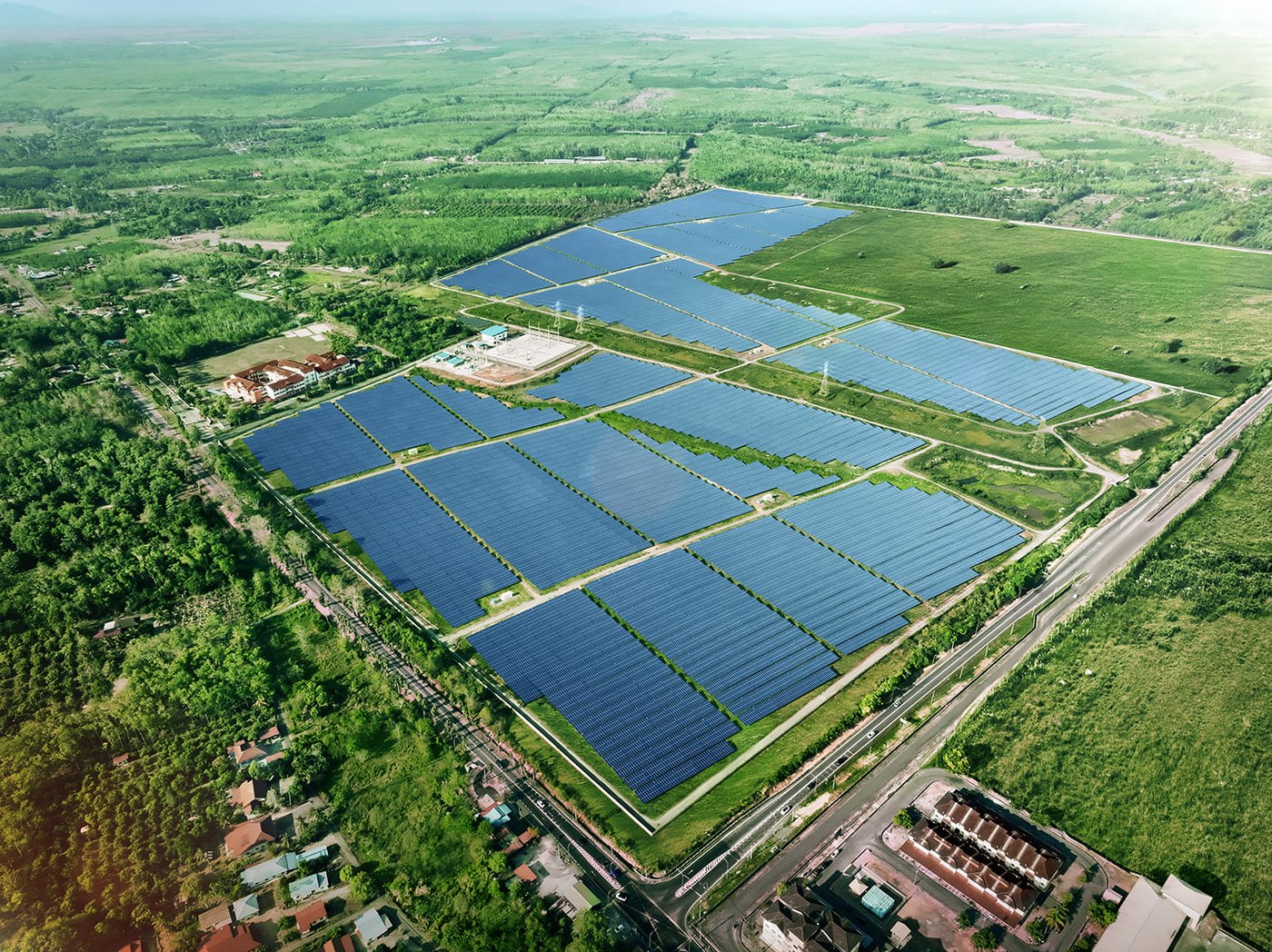
Solarvest, Malaysia's largest listed solar player, anchors this list, alongside residential specialists like SOLS Energy and Verdant Solar, commercial-heavy EPCs like Plus Xnergy and Pekat Solar, and TNB's own in-house GSPARX arm. Most are headquartered in Petaling Jaya or Kuala Lumpur but install nationwide.
How to pick your one
If you want the simplest possible path and will trade some pricing flexibility for it, GSPARX is the answer — zero upfront cost, TNB on both ends of the transaction, and a Maybank 0% 36-month instalment route. If you want a residential specialist to walk you through the Solar ATAP and SuRIA Home paperwork, take SOLS Energy or Verdant Solar. If you have no appetite for a loan at all, SOLS Energy's subscription and Plus Xnergy's rent-to-own are the two no-capital routes on this list. If your roof is due for replacement anyway, Sunview's Sunroof BIPV system makes the panels the roof surface itself. And if you are a business rather than a household, Solarvest, Pekat Solar and Northern Solar are the ones with the commercial and industrial track record.
Whichever way you lean, get more than one quote — and get them well before December, because the SuRIA Home quota is shared nationally and closes on whoever gets there first.
Bottom line
Solar ATAP has removed the quota anxiety that plagued NEM 3.0, and SuRIA Home has put a real cash rebate back on the table — but only until the end of 2026, or until the 250MW pot runs dry. What has not got simpler is the installer landscape: Malaysia now has well over 100 SEDA-registered PV providers, from one-truck outfits to Bursa-listed groups. Sticking to a SEDA-registered installer with a real multi-year track record, checking they are filing you correctly under Solar ATAP, and always collecting more than one quote remain the best protections for what is, for most households, a five-figure purchase.