Penang has the densest cluster of international schools in Malaysia outside the Klang Valley, and most of them sit within a few kilometres of one another along the island's north coast. Choosing between them usually comes down to curriculum, commute and money. Money is the part where the published numbers quietly stop being comparable.
Since 1 July 2025 there has been a new reason to read a Penang fee table line by line. On that date education services became a taxable service under Group M, First Schedule, Service Tax Regulations 2018, and the Royal Malaysian Customs Department (RMCD) began charging 6 per cent service tax on private preschool, primary and secondary education where the fees charged exceed RM60,000 per student for each academic year. The threshold does not apply to a school. It applies to a student, year group by year group.
That produces the finding this article is really about. In Penang the RM60,000 line does not separate expensive schools from affordable ones. It runs straight through the middle of individual schools, switching on partway up the year ladder. At two of the nine schools below, the top year group sits within RM1,000 of it.
What the RM60,000 rule actually says
The source is RMCD's own Guide on Private Education Services, published 9 June 2025, read together with its FAQ on the 2025 service tax expansion and Service Tax Policy No. 4/2025, whose Amendment No. 2 is dated 17 October 2025. All three are on the MySST portal.
The rate is 6 per cent and it bites only above the threshold. RMCD's worked example is blunt about how granular this is: a school charging RM57,000 in Grade 4 and RM63,000 in Grade 5 becomes a taxable person for its Grade 5 students only, and had to register in August 2025 for those year groups. Liable schools registered online from 1 August 2025 using form SST-01.
What counts toward the RM60,000. Paragraph 24 of the guide lists tuition fees, registration fees, admission charges, co-curricular charges, teaching aid or facility charges, and "any other charges or fees relating to education imposed by the institution". Deposits count if they form part of the payment for the service.
What does not count. Appendix A of Service Tax Policy No. 4/2025 exempts book charges, uniform charges, food and beverage charges, transportation charges, accommodation charges, refundable deposits that are not part of the tuition fees, Parent-Teacher Association fees, fees for educational trips inside or outside the country that are not part of the tuition fees, and student pass or visa charges. Boarding, in other words, is outside the tax. Amendment No. 2 adds two further exemptions: children and dependants of foreign diplomats who produce a confirmation letter from the Ministry of Foreign Affairs, and education fees "fully sponsored by educational institutions, higher learning institutions, companies, foundations, or other organizations". Worth flagging plainly: the education FAQ still live on the same portal answers an older question by saying company-sponsored tuition is taxable, which the October 2025 policy appears to reverse. If your employer pays the school directly, that contradiction is worth putting to the school's finance office in writing.
Who actually pays is the genuinely unsettled part. RMCD's English guide (paragraph 14) and its English FAQ both say "Malaysian citizens and holders of a valid OKU card" are exempt under Item 10 of the Service Tax (Persons Exempted from Payment of Tax) Order 2018, which reads as two separate groups. The Malay version of the same FAQ says "warganegara Malaysia dan memegang kad Orang Kurang Upaya (OKU) yang sah", which reads as one group: a Malaysian citizen who holds a valid OKU card. RMCD's own worked example taxes a Grade 5 student on RM63,000 without mentioning nationality at all. And Stonyhurst International School Penang, the only school in this list to publish a full note on the point, states that the tax "will affect all pupils regardless of nationality, except Malaysian pupils with OKU cards who are exempted". Three of those four signals point the same way. Until RMCD says otherwise in plain terms, assume the stricter reading, and ask your school to confirm its position in writing rather than relying on a verbal answer at an open day.
Budget 2027 left all of this alone. The Budget 2027 speech on 9 October 2026 made one service tax rate change, cutting the rate on elderly care services from 8 to 6 per cent. It did not touch the 6 per cent rate or the RM60,000 threshold for private and international schools. Policy No. 4/2025, Amendment No. 2 (17 October 2025), is still the current education policy as of 13 October 2026. On income tax, the speech widened the education and skills relief to cover "children's tuition fees". That is proposed for the 2027 assessment year and depends on the Finance Bill. Tax summaries describe a small capped sub-category for children's classes, so do not assume a school fee bill qualifies until LHDN publishes the rules.
The nine schools
Every figure below was read off each school's own published fee page during this run, and every one is the 2026/2027 academic year unless stated. Fees move; treat these as the schools' current published positions rather than a quotation.
How to pick, once you have the numbers
Convert everything to an annual figure before you compare. Uplands bills twice a year, POWIIS and Stonyhurst publish termly and annual columns, and Tenby, Straits and Sri KDU publish per-term figures across three terms. A Tenby Year 7 term fee of RM15,639 and a Stonyhurst Year 7 annual fee of RM56,400 are not the same kind of number, and the gap between them is not what it looks like at a glance.
Then add the joining year separately. Registration, enrolment and application fees are one-time, but they land in a single academic year and they count toward the RM60,000. A new Year 11 student at Straits pays roughly RM50,181 of tuition, but adds RM2,000 registration, RM7,000 enrolment, RM250 cybersecurity and RM2,500 international fee, which lifts the first year past the line even though the tuition alone never gets close. The same arithmetic applies to a new Year 12 international student at Sri KDU.
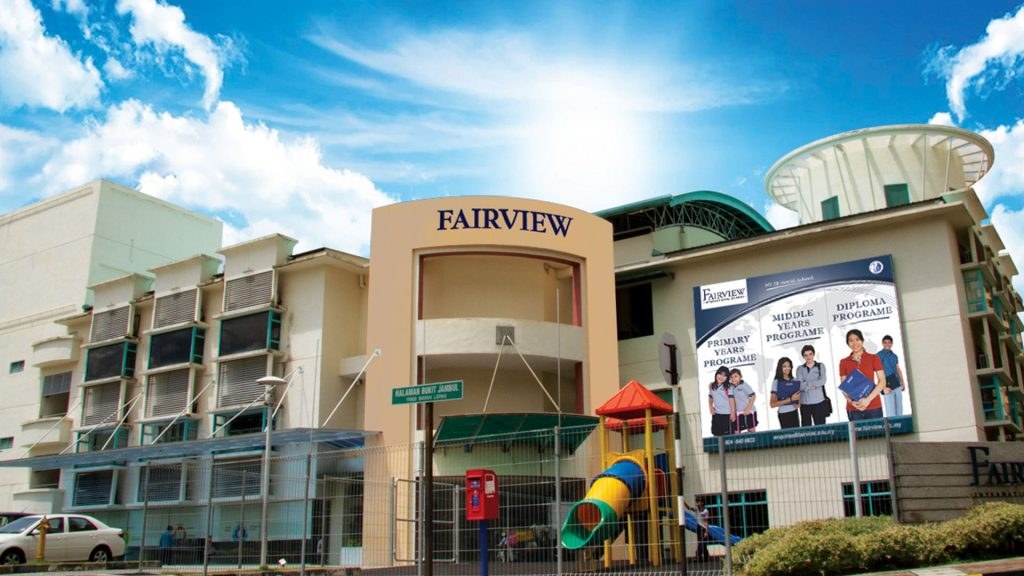
Check whether the school quotes fees with or without tax. Tenby and Stonyhurst both state in writing that quoted fees exclude SST. Uplands names exactly which charges attract it. POWIIS prints "subject to 6% SST where applicable" on the schedule. Dalat says tax "may apply" depending on grade level. Straits and Fairview publish no note at all, which is not the same as saying no tax applies.
Read the discounts, because they are real money. POWIIS gives 3.5 per cent for full payment in advance and 5 per cent for a second child. Uplands gives 5 per cent early payment plus 10 and 20 per cent sibling reductions. Straits gives 7 per cent for a second child and 10 per cent from the third. Sri KDU gives 10, 15 and 20 per cent. Stonyhurst gives 3 per cent for a lump sum and 3, 5 and 8 per cent for siblings. On a RM60,000 fee, a 5 per cent sibling discount is RM3,000 a year, which is larger than most of the one-time fees.
Note what the fee does not include. Every school on this list excludes uniforms, books, meals, transport and external examination fees. POWIIS is unusually specific about what is included: basic stationery, use of facilities including medical facilities, and all tuition except one-to-one or small-group instrumental music, extra English and learning support. Stonyhurst charges learning support at RM2,500 a year if needed, and Sri KDU charges its ELLA English programme at RM3,200 a term for pupils scoring 75 to 89 on CAT4, while making it free for anyone above 90.
Finally, ask the withdrawal question before you sign. POWIIS publishes hard notice dates for the 2026/2027 year: give written notice by 15 August 2026, 1 December 2026 or 15 March 2027 to withdraw at the end of Term 1, 2 or 3 and recover your deposit. Uplands states that its RM5,000 enrolment deposit is non-refundable if you decline the place after accepting an offer. Dalat charges a 10 per cent monthly late fee on accounts more than 30 days in arrears. These are the clauses that cost money when plans change.
Related reads
- Best International Schools in KL & Klang Valley 2026 — the same fee-table exercise for the Klang Valley, where far more year groups clear RM60,000
- Malaysia School Holidays 2026: Every Remaining Break — international school terms rarely line up with the national calendar, which matters if you have children in both
- 7 Family-Friendly Things To Do in Penang (2026) — what the weekends look like once you have moved
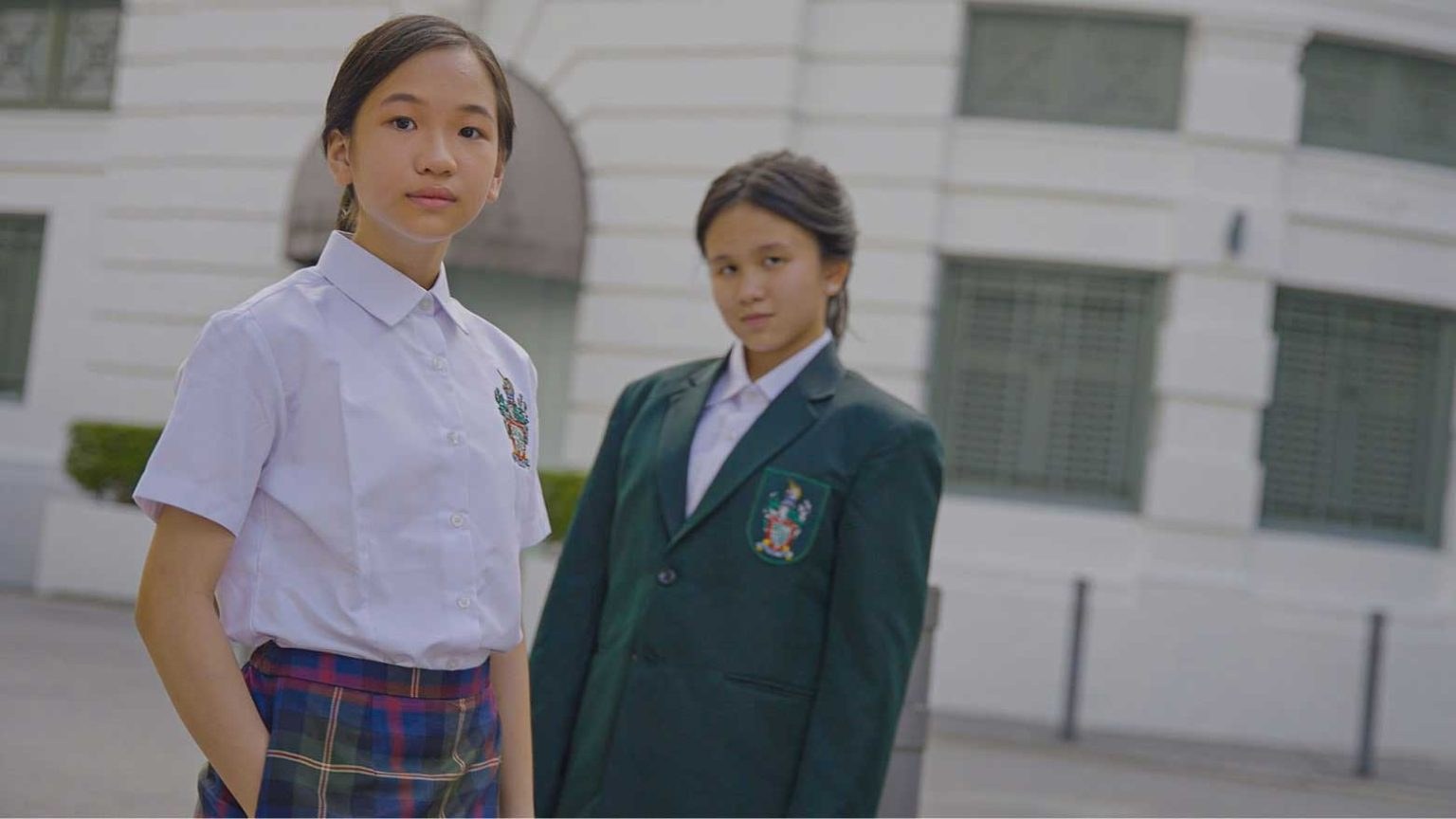
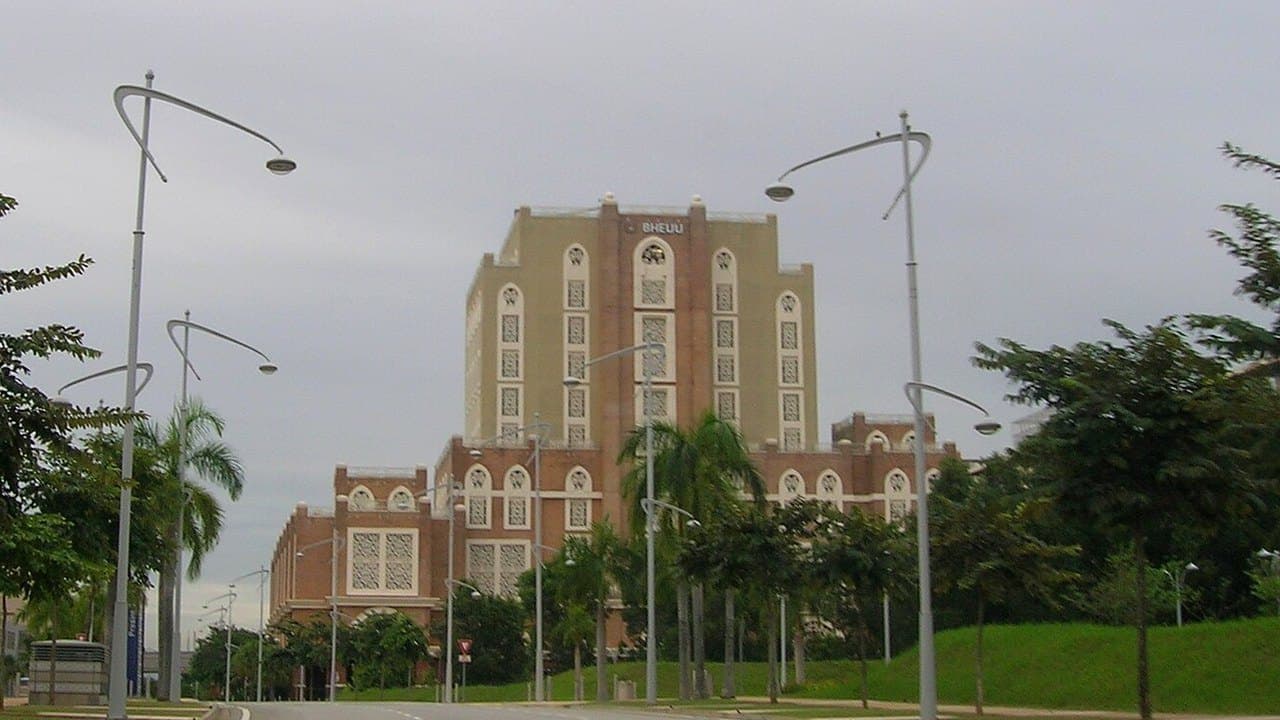
*Cover image: Prince of Wales Island International School (POWIIS)*