> Quick view: eight places to buy Kelantan craft in Kota Bharu — three city markets, the state craft village, three songket houses along Jalan PCB and a silvercraft shop on Jalan Sultanah Zainab. Kelantan's weekend is Friday–Saturday, so shop Sunday to Thursday, in the morning. Almost nothing here publishes prices, so we quote none — the single exception is Kampung Kraftangan, at RM2 for a Malaysian adult.
Why Kota Bharu is still the address
Most of what is sold as Malaysian craft elsewhere in the country is finished elsewhere too. Kelantan is the exception that keeps making it: handwoven songket on kampung looms, hand-drawn batik in village workshops, silver hammered and chased by hand. The state is Malaysia's craft heartland in a literal, still-operating sense, and Kota Bharu is where the output meets a buyer.
That is also why this is a harder shopping trip to plan than it looks. The best addresses are not shops with websites and opening-hours pages. They are three market buildings within a few minutes of each other in the city core, a state-run craft village, and a strip of family weaving houses on the road out towards the beach. Several have no online presence beyond a Facebook page. None of them publishes a price list.
So this guide does two things. It tells you which address is for what — because they are genuinely different jobs — and it gives you the two or three pieces of practical knowledge that decide whether you buy well or badly.
What changed in 2026: Buluh Kubu is being rebuilt
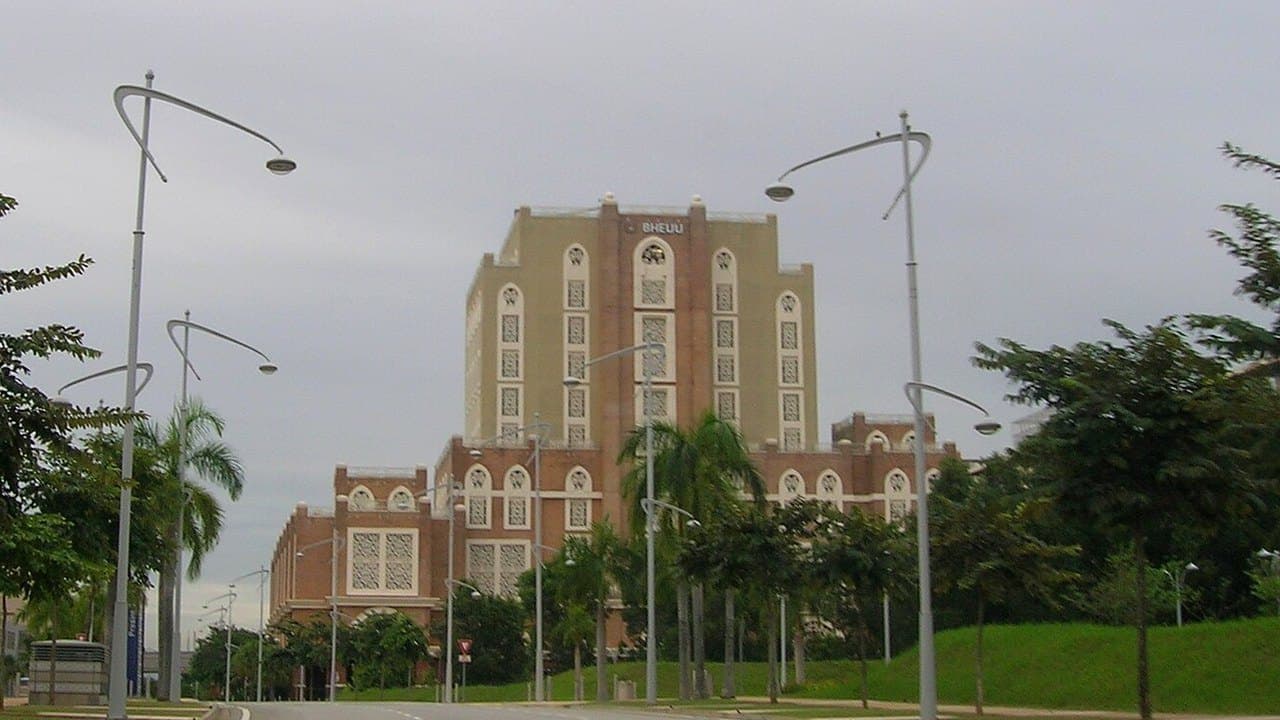
The biggest planning change this year is that one of the three city-centre markets is emptying out. In April 2026 the Federal Government confirmed RM28 million to upgrade the ageing Bazar Buluh Kubu building, and Perbadanan Kemajuan Iktisad Negeri Kelantan (PKINK), the project's implementer, notified traders to vacate. Around 150 batik and craft traders are moving to a disused supermarket in town — the former The Store — while the works run an expected 36 months, 2026 to 2028. The rebuilt bazaar is to carry the name already on its signage, Bazar Siti Aisyah. The project consultant's lead architect, Dato' Ar Mohd Asri Mohd Salleh of MASA Architect, said in April 2026 that construction would start in July 2026 — so by the time you read this the hoardings are up — and set out the scope: extra lifts, reorganised parking, a new atrium at ground level, façade and interior reconfiguration, new electrical and mechanical systems, landscaping, pedestrian walkways and better prayer facilities. The building dates from the early 1980s and opened in 1985, the same year as Pasar Besar Siti Khadijah beside it.
That matters for a shopping trip in two ways. The obvious one: do not plan your fabric buying around Buluh Kubu in 2026 — Pasar Besar Siti Khadijah and Bazar Tok Guru are the reliable stops, and both are a short walk from the same spot. The less obvious one: the traders are not disappearing, they are dispersing. Some have said the air-conditioned temporary premises cost more to rent than their old lots and that they will trade elsewhere instead, so the wholesale stock that used to sit in one building is spread across town for the next couple of years. Ask at Siti Khadijah or Tok Guru where a particular Buluh Kubu name has moved to; in a trade this small, someone on the floor will know.
One detail worth having before you ask: Bernama's 9 April 2026 report places the temporary site in a former supermarket building on Jalan Padang Garong, privately owned, which is why traders expect higher rents there. Bernama also counts the bazaar at about 100 traders, roughly 90% of them in batik and craft, against the 150 in Kosmo and Utusan. As of 13 October 2026 we found no later report confirming that the temporary premises have opened or that construction has started, so the July start date is the consultant's plan, not a confirmed event.
Plan around Friday, and around the morning
The single most common mistake visitors make is arriving on a Friday. Kelantan's weekend falls on Friday and Saturday, not Saturday and Sunday — and it is now one of only three Malaysian states that still work that way, with Kedah and Terengganu. If you have read elsewhere that there are four, that list is out of date: Johor reverted to a Saturday–Sunday weekend on 1 January 2025, after eleven years on the Friday–Saturday pattern. Kampung Kraftangan and Istana Jahar close every Friday, and many kampung workshops close for prayers, some for the whole day.
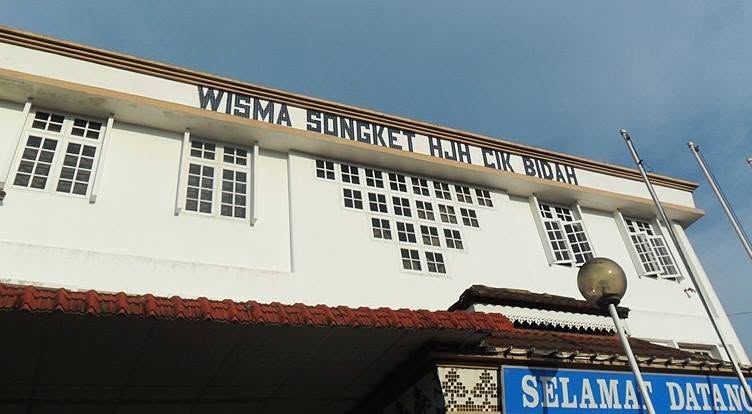
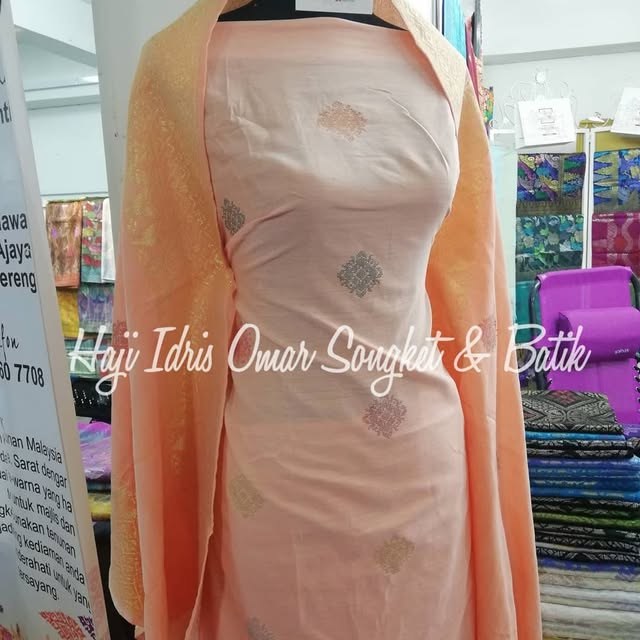
But Friday is not a write-off any more. When we re-checked Google Maps on 13 October 2026, the listings told a more useful story than the old guides. Bazar Tok Guru is listed at 9.30am to 6pm every day, Friday included, against the older reports of a Friday closure. The three Jalan PCB weaving houses all list Friday hours too: Che Minah Songket from 11am to 6.30pm on Fridays (9am to 6.30pm on other days), Wisma Songket Cik Bidah from 10.30am to 7pm (10am to 7pm otherwise) and Haji Idris Omar from 9am to 6.30pm (to 7pm Sunday to Thursday). Individual lots still shut around Friday prayers, so if Friday is your only day, start on Jalan PCB after late morning and leave the state-run sites for another day. The listings are owner-edited and can be wrong; Che Minah's was confirmed by the business in July.
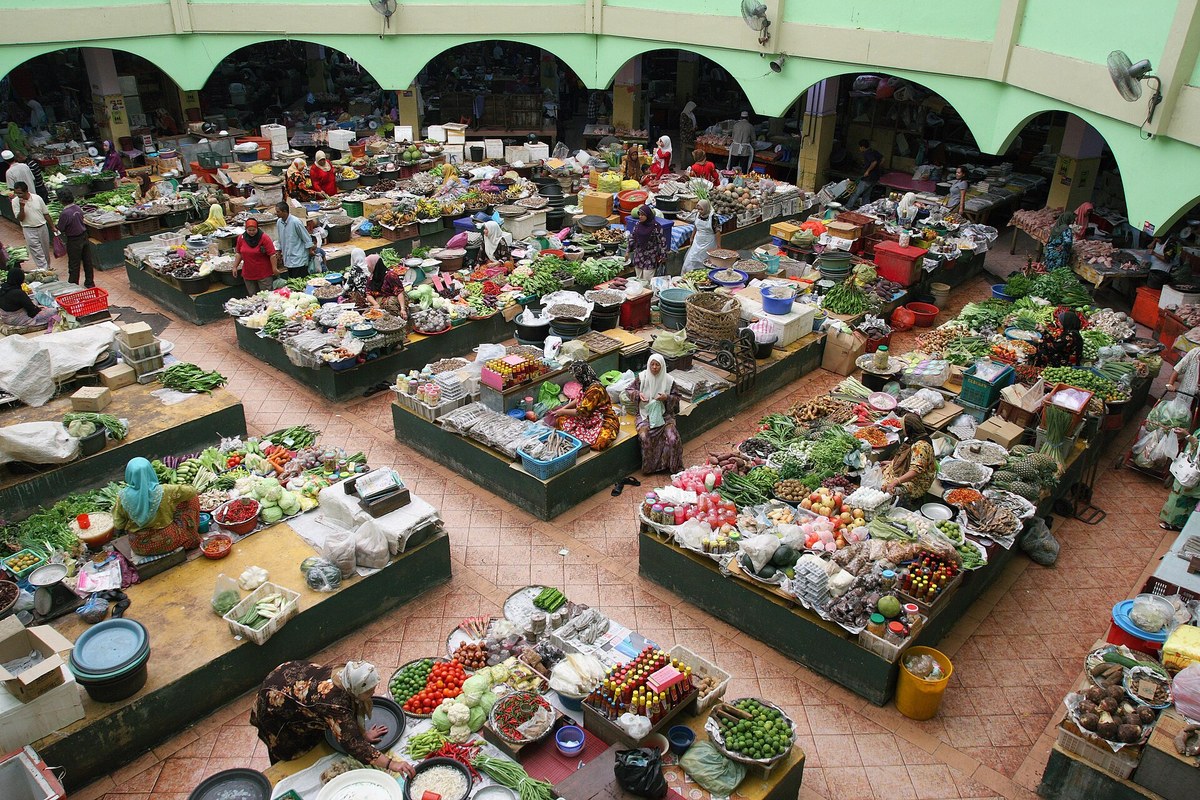
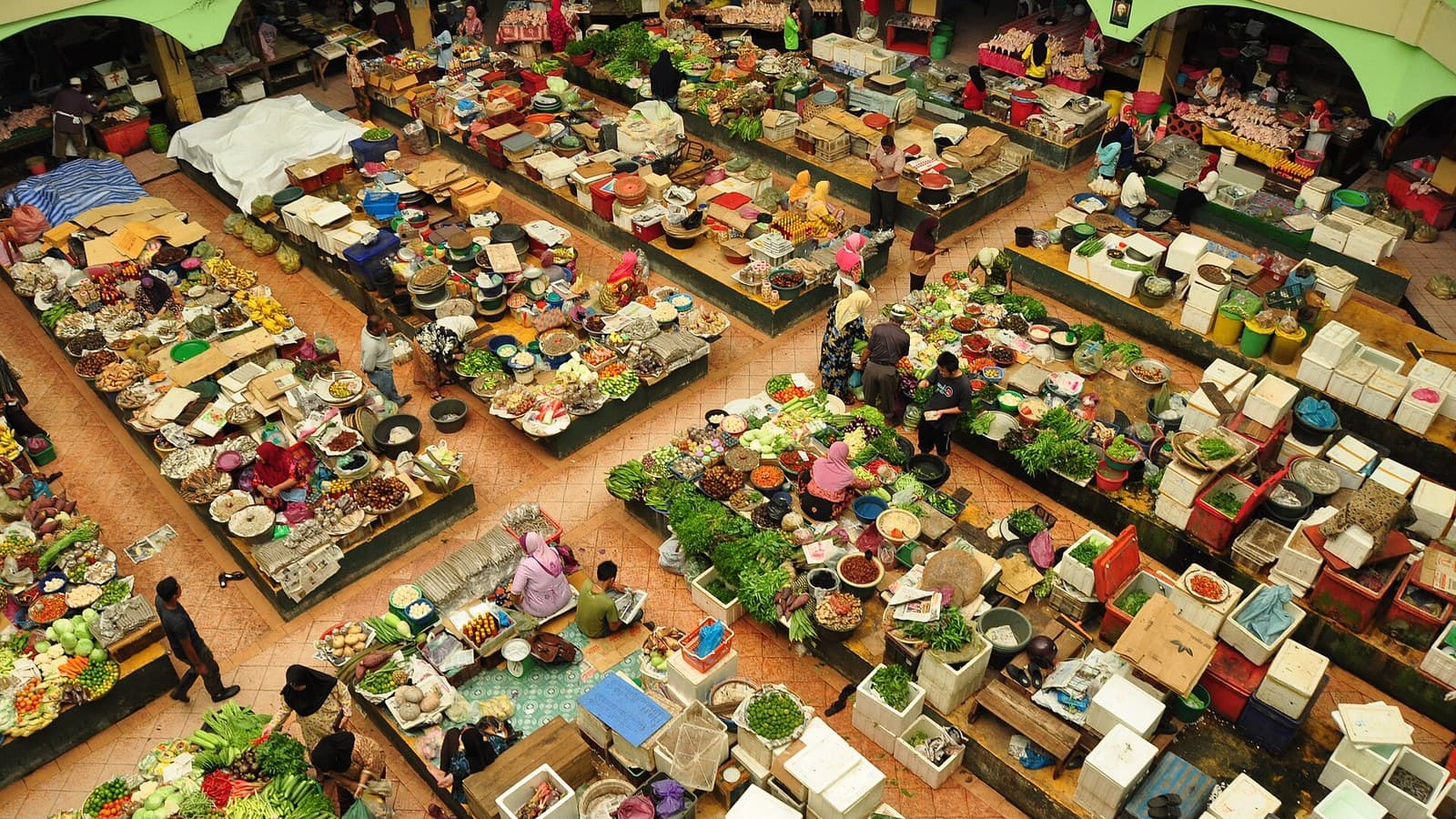
The second is arriving in the afternoon. Pasar Besar Siti Khadijah is a working produce market first, and it runs on a produce market's clock: between 7am and 9am it is full, and by mid-afternoon it is visibly winding down. The craft floors upstairs stay open longer, but the atmosphere that makes the trip worth it is a morning phenomenon.
Learn to read the cloth before you spend
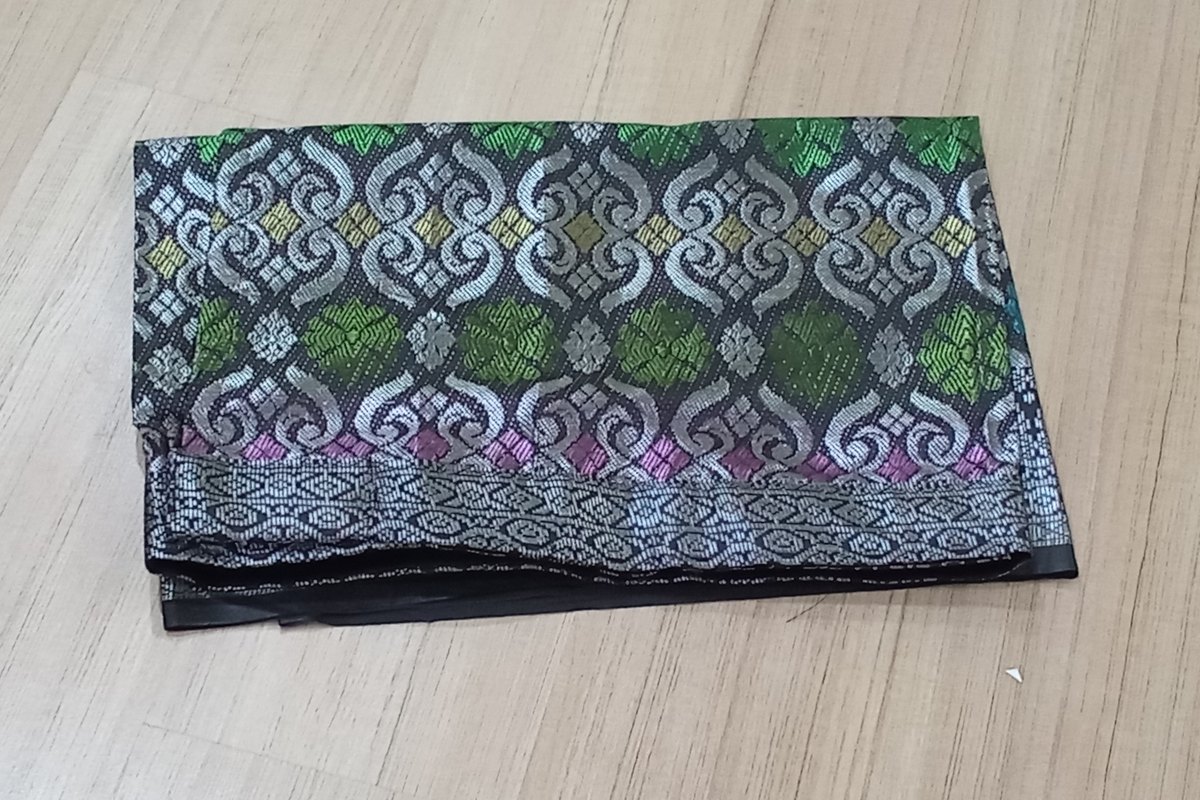
Songket is priced by the density and fineness of the metallic weft work, and the gap between a fine handwoven piece and a printed imitation is enormous — far larger than the gap in how they look on a stall front.
The test takes two seconds: turn the cloth over. Genuine handwoven songket shows the gold or silver weft floating loose across the reverse, and the motif reads raised on the front and untidy on the back. Printed cloth looks essentially the same on both faces and lies flat. Real songket is also stiff and heavy, because there is metal in it.
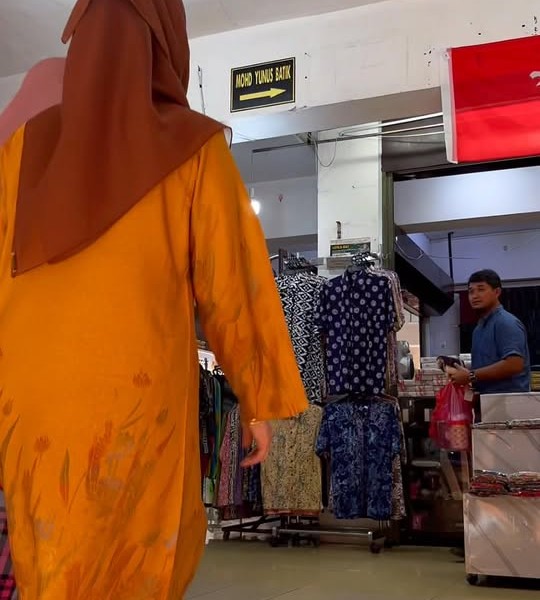
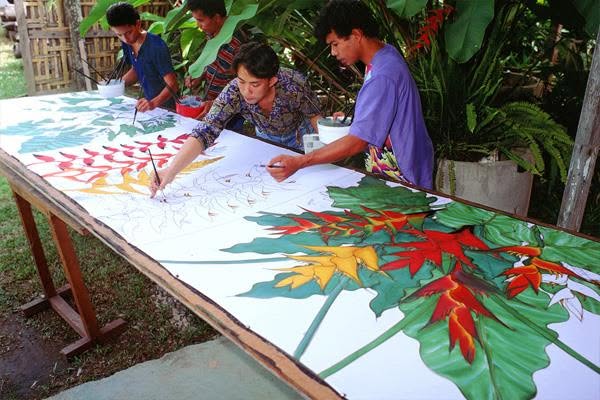
Batik divides the same way. Batik tulis is drawn by hand with a canting, and no two lengths are identical — look for the small irregularities. Batik cap is stamped with a copper block: more regular, faster to make, cheaper, and entirely legitimate. What you are avoiding is screen-printed polyester sold at handmade prices.
This is the argument for spending your first hour at Kampung Kraftangan or in one of the Kampung Penambang weaving houses rather than at a stall. Watching a weaver put gold weft through a warp is what converts "handwoven costs more" from a claim into something you can see.
Bargaining, briefly
These are bargaining markets, and the etiquette is unremarkable: ask the price, take an interest in the piece rather than the number, and expect the useful movement to come when you buy more than one thing. That is precisely why Bazar Buluh Kubu, the wholesale bazaar, has traditionally been the right stop for a family's worth of Raya cloth or a bridal party's sampin — it is priced for people buying in quantity. With Buluh Kubu closing for its rebuild, the same logic now applies at the ground-floor fabric traders in Bazar Tok Guru and the craft floors of Pasar Besar Siti Khadijah: buy in multiples and the number moves.
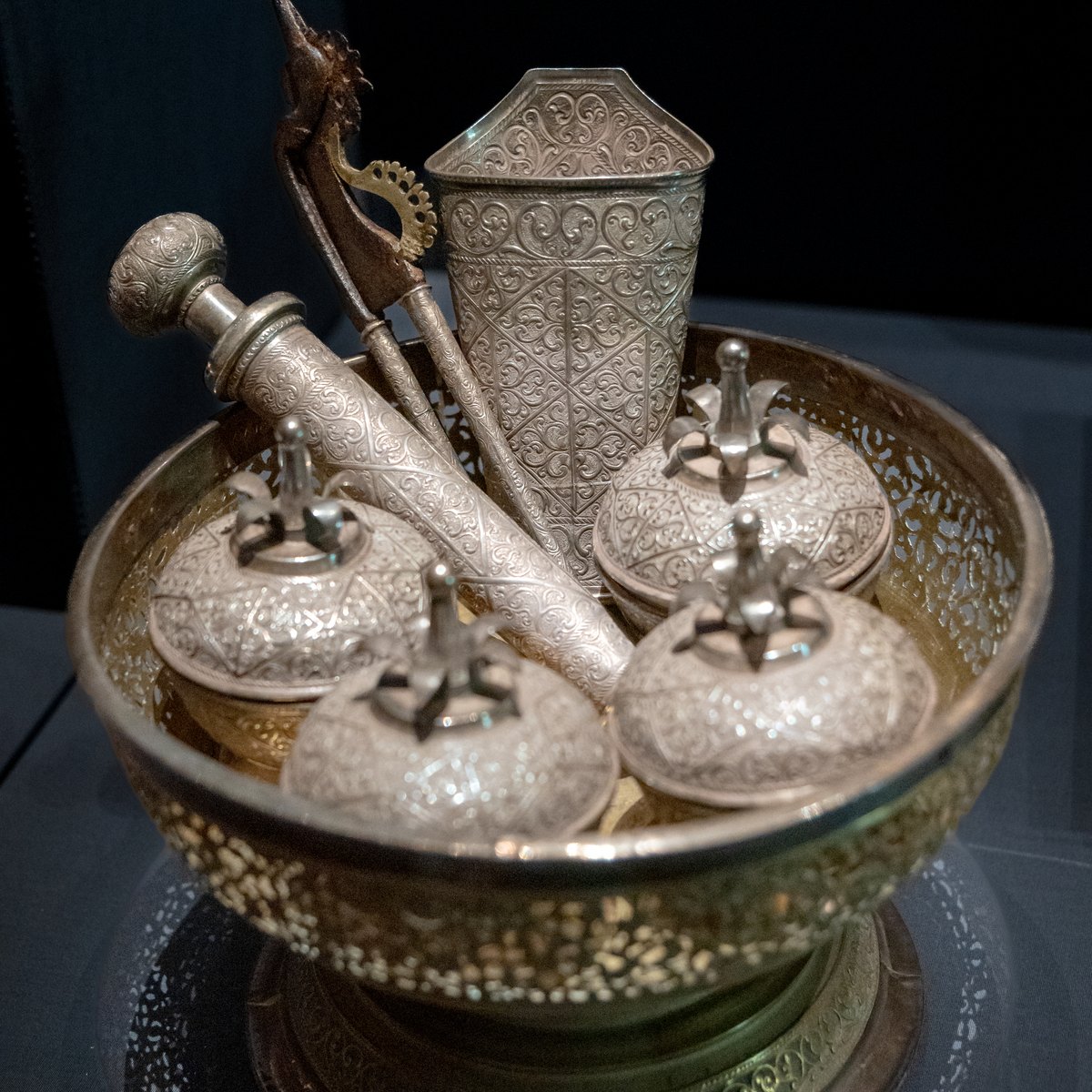
Silver is the exception. It is priced substantially off the weight of the metal, and with silver reported at RM14,000–RM15,000 per kilogram against roughly RM3,000 historically, there is far less room in the number than a shopper used to textiles might assume.
Which floor you actually want
Two of the three market buildings are big enough that walking in without a plan costs you an hour.
Pasar Besar Siti Khadijah is three storeys, and the craft is on top. Tourism Malaysia's own guide splits it: the ground floor is wet and dry produce — keropok lekor, spices, vegetables, poultry; the second floor is dried goods (dried-fish keropok, beef and chicken floss, local snacks) plus a large food court of Kelantan kuih; and the third storey is what you came for — local handicraft, fashion accessories, batik and traditional Malay clothing. The same guide gives the market's hours as daily 6.30am to 5pm. MPKB, which built it and opened it in 1985, notes that trade here is carried out overwhelmingly by women, and that gold- and silverwork is sold alongside the cloth.
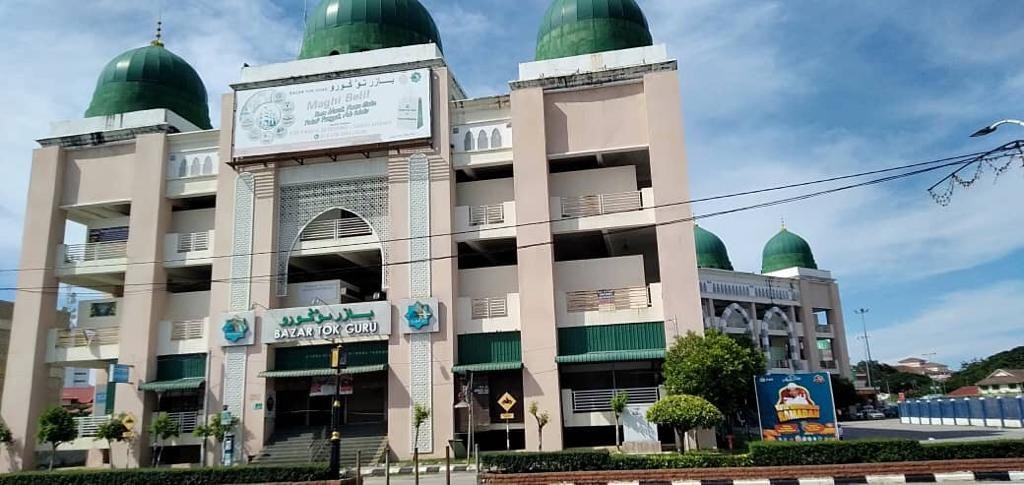
Bazar Tok Guru splits by floor too, and its operator publishes the numbers. PMBK's own page breaks the 856 lots down as 353 on the ground floor, 255 on the first and 248 on the second, each averaging 80 square feet, on the 5.9-acre former Kota Bharu district police headquarters site — the bazaar itself takes about 1.5 acres of it. The ground floor is the one that matters for this trip: it was filled by traders who moved across from the old MPKB market, and PMBK lists their stock as clothing, women's accessories, tudung and Kelantan handicraft.
One line on that page explains the prices better than any amount of bargaining advice. PMBK sold the lots to their traders on a hire-purchase package from RM250 a month over 18 years, with no charges and no interest, and says 400 entrepreneurs took it up and are still trading. These are owner-operators with a fixed, low occupancy cost — not concession holders paying mall rent. That is a large part of why the same cloth costs less here than in a city boutique, and it is also why the traders can afford to hold a price when you push too hard.
What else Kelantan actually makes
Cloth is the headline, not the whole list. Tourism Malaysia's Kota Bharu guide names the state's crafts as silverware, textiles, wau (the big handmade kites), brass work, batik, songket and wood carving — and every one of them turns up somewhere on this trip.
Wau bulan is the one visitors underestimate. A full-size decorative kite is an awkward thing to get home and an unmistakable thing to own, and kite-making is among the crafts demonstrated at Kampung Kraftangan. Brass and wood carving show up in Kampung Kraftangan's sales halls and among the Bazar Tok Guru craft traders. Silver has its own address on this list.
Then there is the category nobody plans for and everybody buys: edible souvenirs. Kelantan's dried goods — keropok, keropok lekor, beef and chicken floss, local kuih — are concentrated on the second floor of Pasar Besar Siti Khadijah, one floor below the cloth. If you are already going up for batik, budget twenty minutes on the way back down. It is the cheapest thing on this page and the first thing to run out once you are home.
One recent name for batik buyers: on 26 September 2026, Kraftangan Malaysia named Ibrahim Deraman, a 68-year-old batik craftsman from Kuala Besar known as Pok Him and now based in Tumpat, its Anugerah Tokoh Kraf Negara (National Craft Master) 2026. The award was presented at the Malaysia International Craft Fair in Kuala Lumpur, as The Star reported on 2 October. No shop is attached to the award, so ask at Kampung Kraftangan whether his work is sold locally.
Getting between the eight addresses
They fall into three clusters, and the geography decides the shape of your day.
The city core. Pasar Besar Siti Khadijah, the Bazar Buluh Kubu site and Bazar Tok Guru are within a few minutes of each other beside the Kota Bharu bus terminal — Tourism Malaysia puts the market about four minutes' drive from the terminal and roughly 30 minutes from Sultan Ismail Petra Airport. You can do all three on foot in a morning.
Jalan Hilir Kota. Kampung Kraftangan sits beside the Balai Besar and Istana Jahar, so the craft village and the royal museums are one walkable block. They keep the same hours — 8.30am to 4.45pm — and both close on Fridays.
Jalan Pantai Cahaya Bulan. Kampung Penambang — Cik Minah, Wisma Songket Hjh Cik Bidah and Haji Idris Omar — is about 3.5 km north of the town centre on the road out to the beach, postcode 15350. PCB itself is 10 km out, and the Mutiara Rentas Desa bus service 10 runs there from the bus terminal next to Pasar Besar Siti Khadijah, which makes the songket strip reachable without a car if you do not mind walking in from the main road.
The eight addresses
The cards above cover each one in detail, and the comparison table strips them back to what each is actually for.
How to plan the day
A half-day, city centre only. Pasar Besar Siti Khadijah at 7.30am for the upper floors and the view, then Bazar Tok Guru when the heat sets in — it has the food court, the lifts and the air conditioning, and with Buluh Kubu under rebuild it now carries more of the serious fabric buying. Both are within walking distance of each other; look in on the Buluh Kubu site next door to see how far the works have got.
A full day, with the making. Add Kampung Kraftangan on Jalan Hilir Kota in the late morning, when demonstrations are most likely to be running, and it sits beside the Balai Besar and the royal museums if you want to make an afternoon of it.
A day for buying songket properly. Drive out along Jalan Pantai Cahaya Bulan to Kampung Penambang and do Cik Minah, Wisma Songket Hjh Cik Bidah and Haji Idris Omar in one run. Three weaving houses back to back teaches you more about quality than any single stop, and it is the trip that most reliably beats KL prices.
If you are buying one serious thing. Make it silver, at Mohd Salleh & Sons on Jalan Sultanah Zainab. It is the craft on this list with the fewest practising artisans left, and the one where your money most directly keeps a skill alive.
Related reads
- Best Places to Eat in Kota Bharu, Kelantan 2026 — nasi kerabu, nasi tumpat and where to find them
- Best Boutique Hotels & Homestays in Kota Bharu 2026 — where to stay for an early market start
- Family-Friendly Things To Do in Kota Bharu, Kelantan 2026 — the rest of the trip
Addresses, operator details and reported hours above were checked on 19 August 2026 and re-checked on 29 August 2026 and again on 13 October 2026 (Google Maps hours for all three Jalan PCB houses, Bazar Tok Guru and Pasar Besar Siti Khadijah) against PMBK's own page for Bazar Tok Guru, Tourism Malaysia's official Kota Bharu guide, Kraftangan Malaysia's branch directory, and the shops' own Facebook pages where they maintain one. Market and kampung-workshop hours are set stall by stall and shift around public holidays and Fridays — confirm before making a special trip. No shop prices are quoted here because none of these addresses publishes a price list; the only published figure on this page is Kampung Kraftangan's admission.
*Cover image: Marufish / Wikimedia Commons, CC BY-SA 2.0*