If you are about to open a stall, take a kitchen job or sell food from a rented booth at a fair, two pieces of paper come before the first customer: a Certificate of Food Handlers Training and proof of vaccination. Both come from the Food Hygiene Regulations 2009, and the Health Ministry (KKM) publishes unusually specific rules on the first one. Here is what they say.
Who actually counts as a food handler
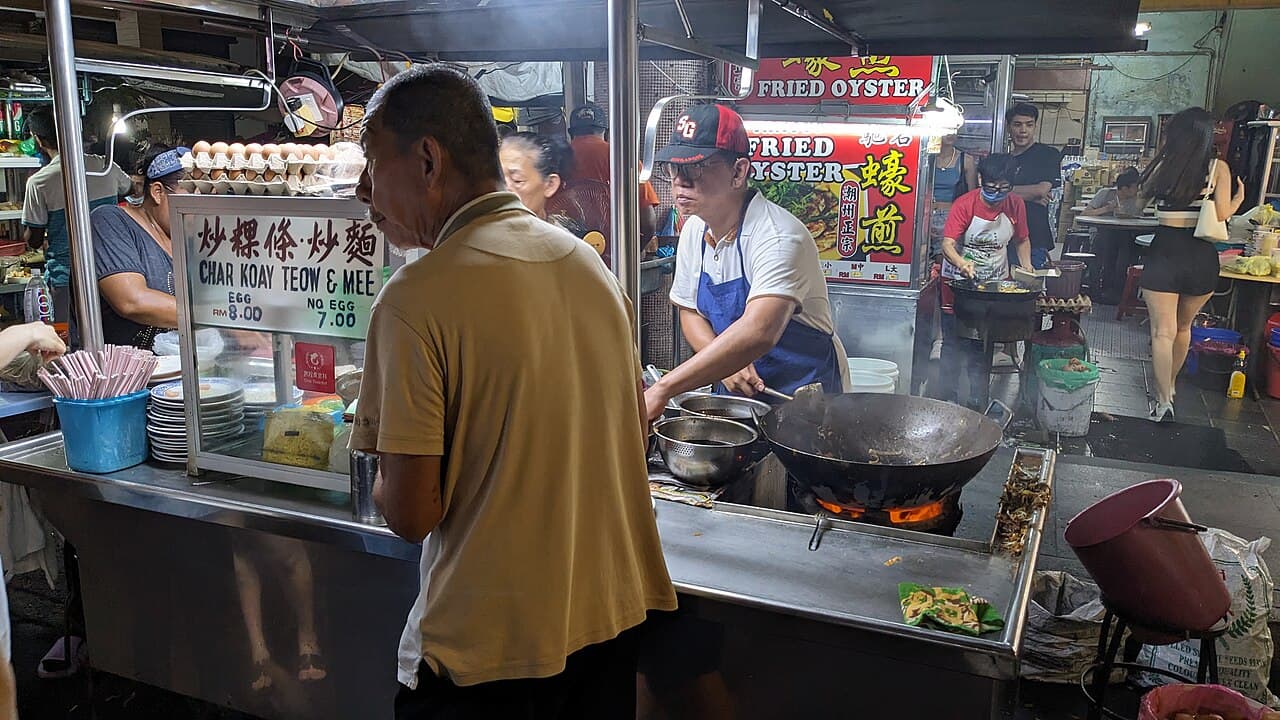
Regulation 2 describes someone who is directly involved in preparing food, comes into contact with food or food-contact surfaces, and handles packaged or unpackaged food or appliances in food premises. In practice that takes in cooks, assistants, servers and family members helping out.
KKM's April 2025 FAQ also draws the line the other way:
- Delivery riders who only carry orders are not food handlers. A rider who also cooks or packs the food is.
- Lorry drivers, storekeepers and cleaners are not, unless they also prepare, cook or pack food.
- OKU food handlers must still attend, and should tell the school so it can arrange support such as a sign language interpreter.
- Foreign workers can attend only with a valid identity document, and KKM says an expired passport won't do.
Home cooks are often surprised here. In 2021, Johor's state health department said the same laws cover home-based food businesses and family helpers preparing food for Ramadan bazaars. In February 2025, KKM told organisers and stall owners at food fairs and expos that all their handlers need the jab and the course.
The course: what KKM fixes, and what it doesn't
The rules below come from KKM's accreditation guideline (2024 edition) and FAQ.
- Fee: RM50 per person, including the physical certificate, and the same online. KKM's FAQ turned down a request to raise it to RM80.
- Extras: schools may charge for food, postage and similar costs, but these must be shown separately from the fee. A quote of "RM80 course fee" isn't how it should be itemised, so ask what the rest covers.
- Length: at least three hours, excluding registration and breaks. It must be one session, so you can't add up two short ones, and under three hours means no certificate.
- Hours: between 7.30am and 11pm.
- Online: allowed for schools KKM has approved for it, capped at 20 participants a session. KKM's list of online schools, updated 1 March 2026, runs to 17 pages.
- Certificate: given within three days of the course finishing.
- Lost or kept by an old employer: the school can reissue it for up to RM25, if it is still operating and you can show proof you attended.
Check the school is on KKM's list before paying. Each one has an SLPM code and an accreditation that runs for three years. The list is at hq.moh.gov.my/fsq, or ask the food safety unit at your state health department.
A free briefing from your local council is not the same thing. KKM told Parliament in 2014 that council talks are less comprehensive and differ from the SLPM course, even if the council requires them for your licence.
How long the certificate lasts
The current guideline says the certificate is valid for life, subject to any change in the regulations. That change may be coming. KKM's FAQ says an amendment setting a five-year validity, with renewal, is on its way to public comment, and that this is why it kept the fee at RM50. We didn't find a gazetted amendment this run, so treat five years as a proposal until KKM confirms it.
The typhoid jab
Regulation 31 says a food handler must be medically examined and vaccinated by a registered medical practitioner. It doesn't name the disease or an interval. Typhoid comes from how the rule is enforced: KKM's February 2025 statement names it, and in 2023 MBPJ's environmental health officer said it is compulsory every three years under the council's food handlers bylaw. Your council's own rule is the one that will be checked, so ask them.
Prices we could verify vary, and no national fee exists:
- MBPJ (reported 2023): RM60 for Malaysians, RM80 for foreigners, in a programme run by the council.
- Sunway Medical Centre Penang health screening centre: RM100 with a doctor's assessment, by appointment, adults only (page dated April 2026).
- Private clinics: a clinic directory showed "from" prices of about RM62 to RM91 in late 2025. Treat this as a rough guide and call first.
SLPM schools are barred from giving the jab during class, so plan it as a separate trip. Vaccine advice for your own health is for your doctor.
What can go wrong
Regulation 11 makes the owner responsible for not letting an untrained or unvaccinated handler work, and for keeping training, medical and vaccination records ready for inspection. Regulations 30 and 31 also put the duty on the handler. The maximum for each is a fine of RM10,000 or two years' jail. Offences under regulations 11 and 31 are listed as compoundable.
In practice, enforcement is often smaller and faster. MBPJ said in 2023 it could issue a RM250 compound per handler, after finding 50 unvaccinated workers in one evening's check, and it vaccinated them on the spot instead. KKM has also pointed to closure orders of up to 14 days under section 11 of the Food Act 1983.
Two daily rules are worth knowing from the same regulations. Handlers can't wear jewellery or watches while handling food (regulation 33), and anyone with a food-borne illness must report it and stay away until a doctor clears them (regulation 31).