Beyond laksa and kolo mee
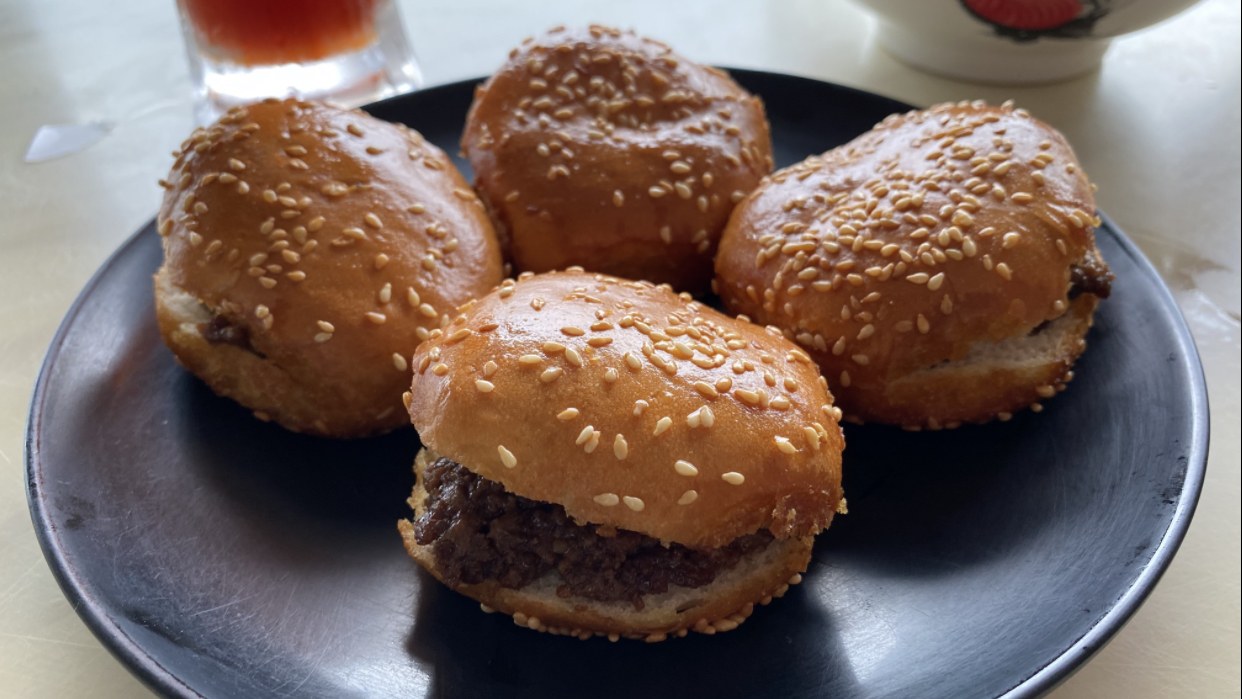
Kuching's food scene is often reduced to two dishes — Sarawak Laksa and kolo mee — but the city's hawker culture blends Chinese (Foochow, Teochew, Hakka), Malay and indigenous Dayak/Melanau traditions inside one compact riverside centre, and that mix is what actually makes the trip worth it. Beyond the two headline dishes you get a rooftop seafood court pricing crab and prawns by the 100g, a wet-market kueh chap stall the same family has run for 70 years, restaurants cooking Iban and Orang Ulu food that rarely leaves the state, and bakeries built around Sarawak's own layer cake and Foochow buns.
How eating in Kuching actually works
The biggest planning mistake is assuming these places run all day. They don't, and the split is sharp.
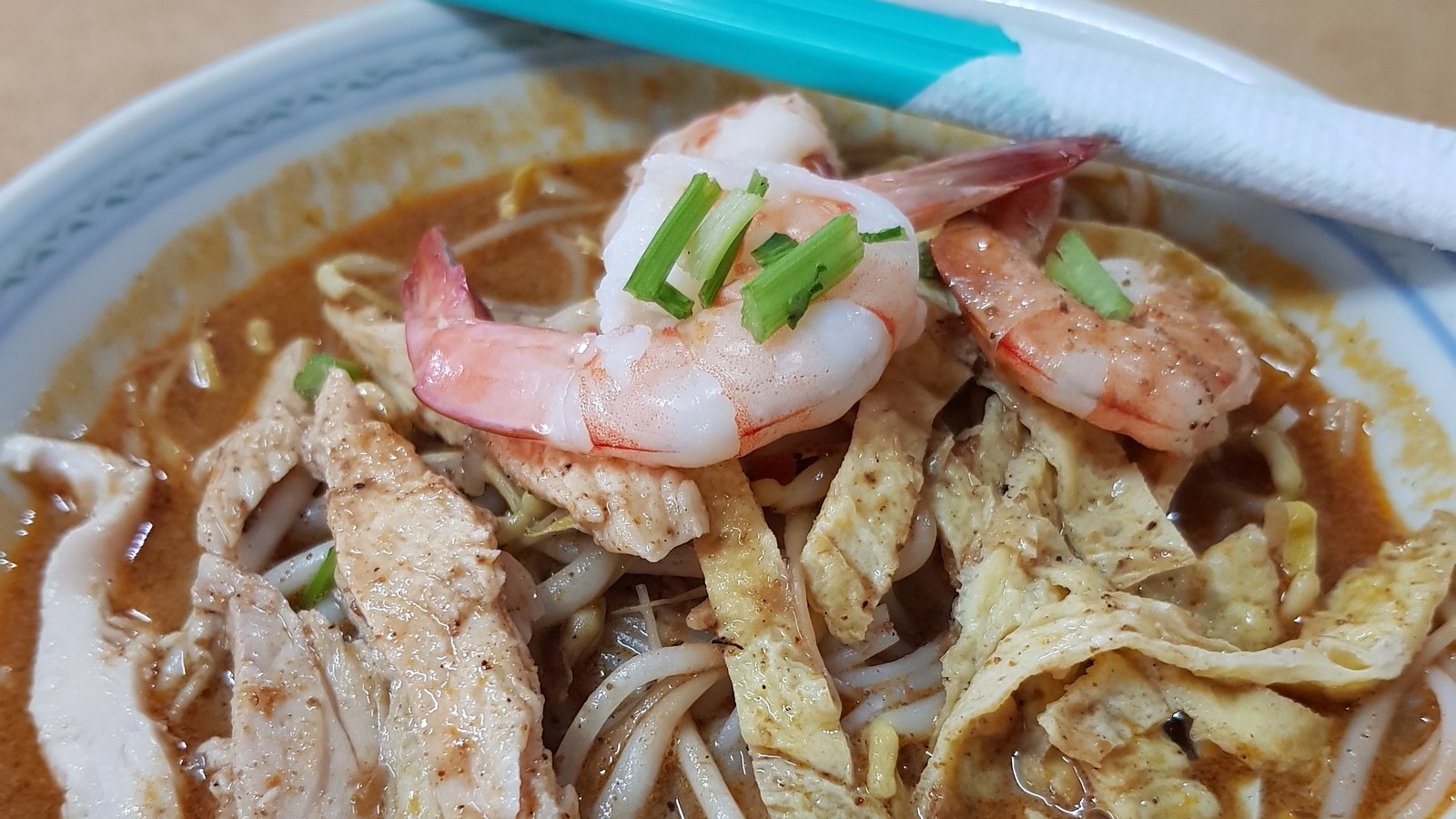
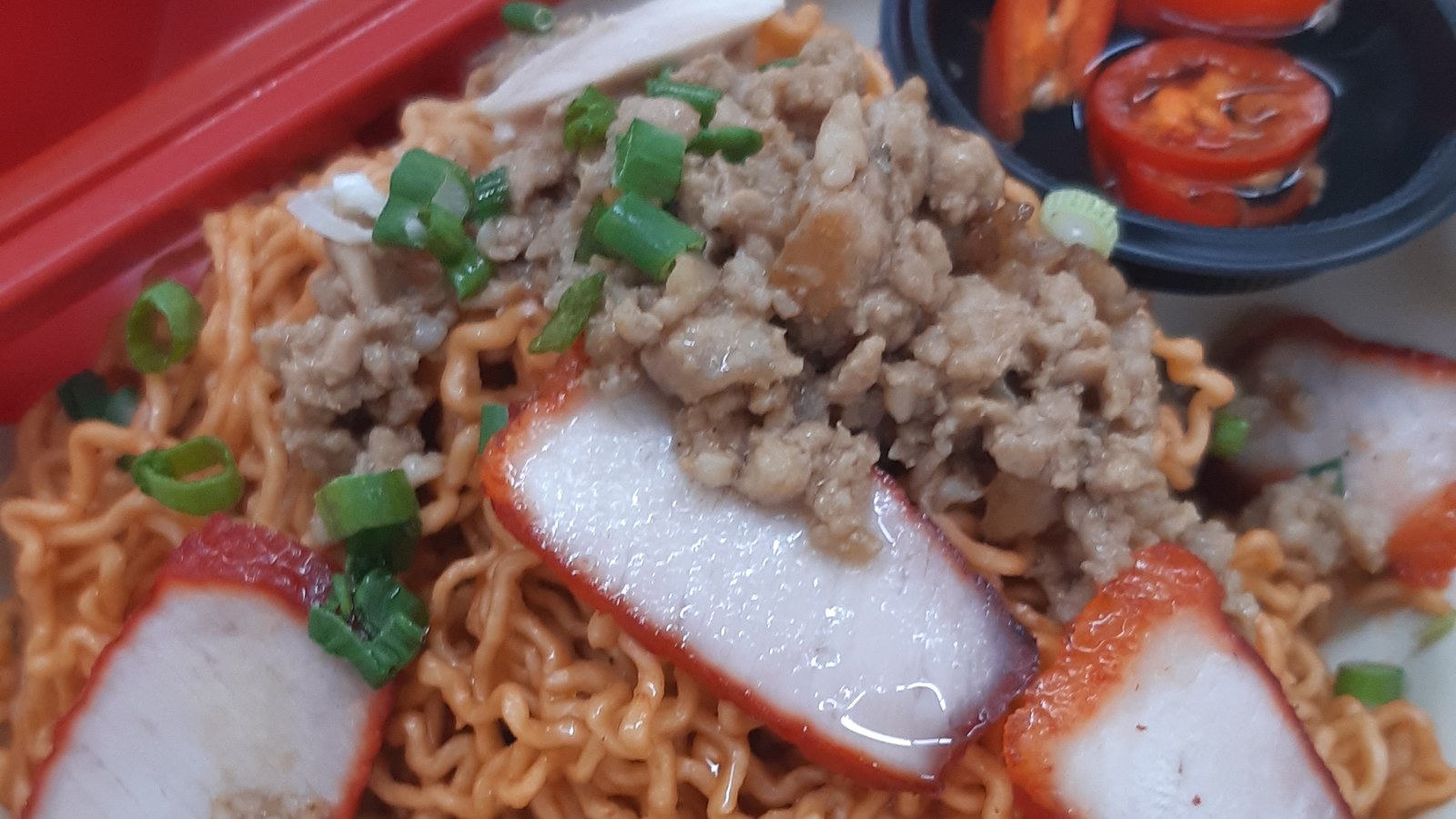
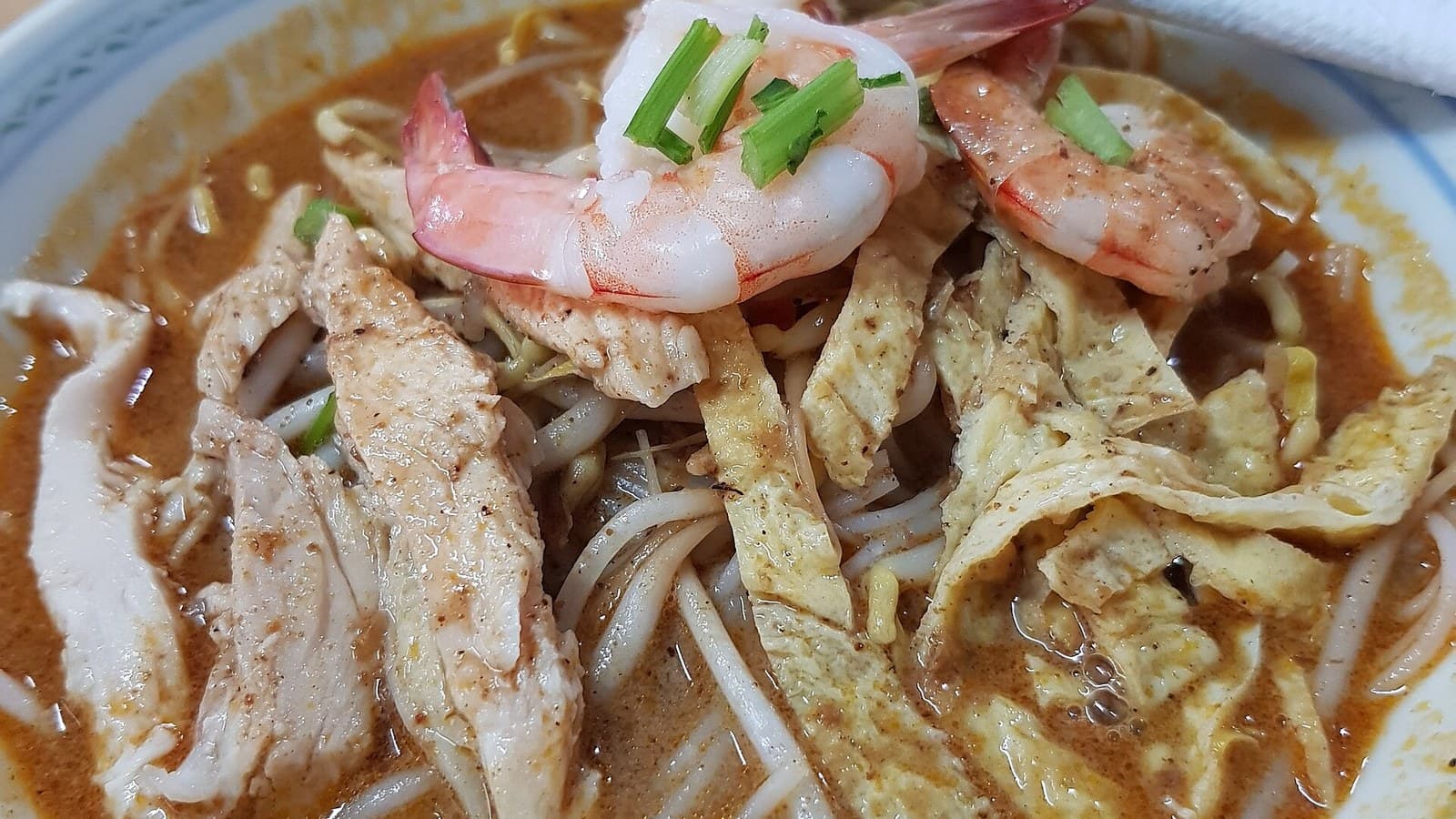
Mornings belong to the noodle shops. Choon Hui Cafe on Jalan Ban Hock opens around 7am, serves mornings only and closes one day a week — the laksa pot stops when it sells out, often before the posted closing time, so aim for 7.30–9am on a weekday. Green Hill Corner opens at 7am and runs to about 10.30pm Monday to Saturday, but only until noon on Sundays, and its kolo mee is very much a breakfast proposition.
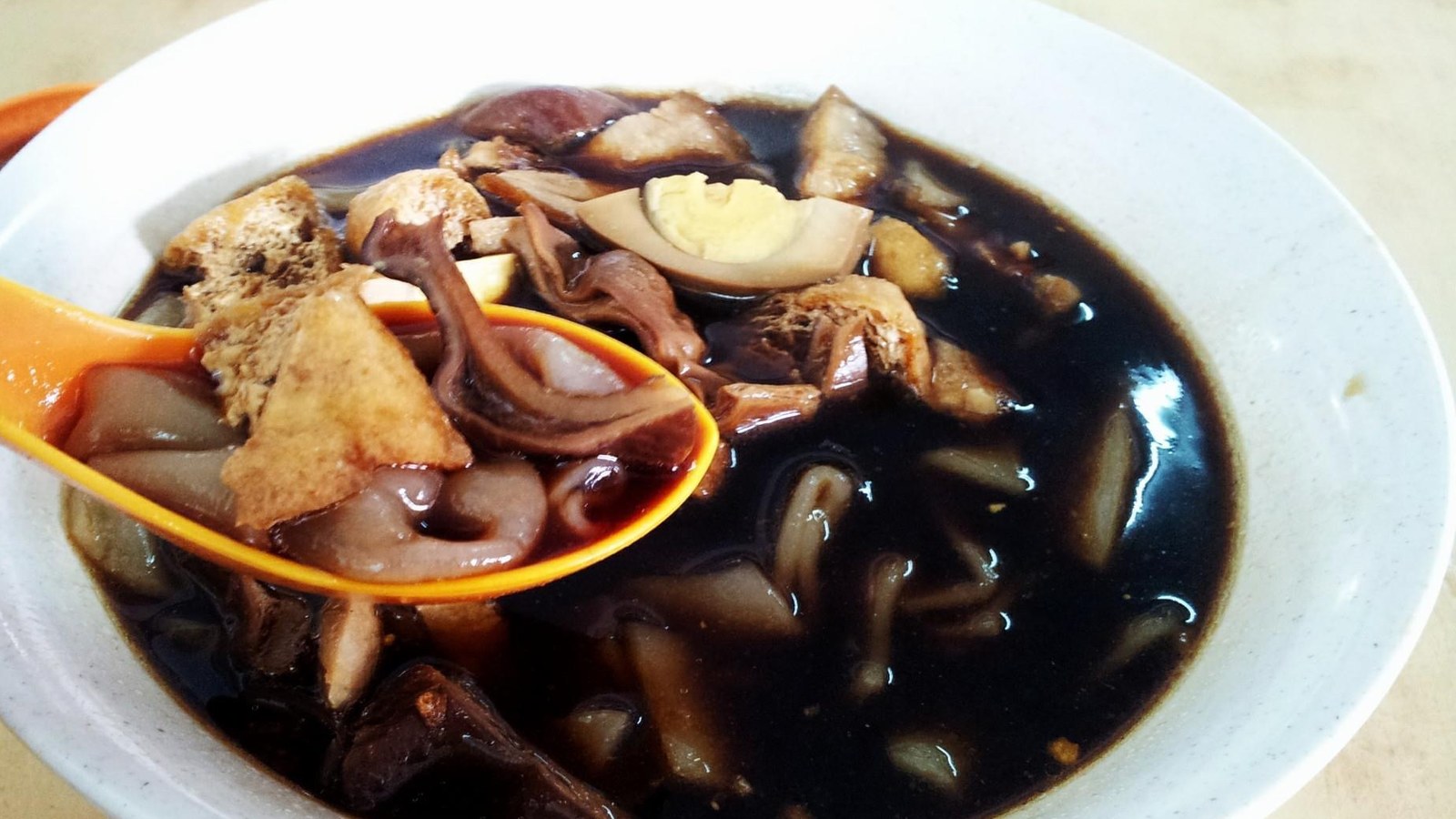
Evenings belong to seafood and kueh chap. Top Spot Food Court is a dinner operation, busiest 7–9pm; arrive by about 6.30pm midweek if you want a table without waiting. The #34 stall at Petanak Central Market is the one most visitors get wrong — it trades 4pm to 10.30pm and rests on Tuesdays, Thursdays and Saturdays, with most items gone by 9.30pm. Kueh chap here is an evening dish, not the breakfast people expect.
Bring cash. Choon Hui's laksa counter takes no card and no QR payment, and the market and food-court stalls settle faster in notes.
What you'll actually spend
Most of this list is cheap; one item is not, and it's worth knowing which. A regular bowl of Sarawak Laksa at Choon Hui is about RM10, or RM13 for the special with extra prawns. Kolo mee at Green Hill Corner runs roughly RM3.50 for a small bowl to RM5 for the large. Kueh chap at Petanak #34 is RM6 small, RM8 regular, RM10 large and RM13 special, with chicken feet at RM2 a plate. Ayam pansoh at My Village Barok is around RM20.
Top Spot is the outlier. Seafood there sells by weight at a market price each stall sets daily, so the dish name tells you the cooking method, not the cost. A normal feed lands at RM50–80 a head; order a large fish or live prawns without asking the per-100g rate first and it climbs past RM120–200. Ask "berapa harga?" and the rate per 100g before you commit, and pad the table with fixed-price sides like midin, tofu and vegetables.
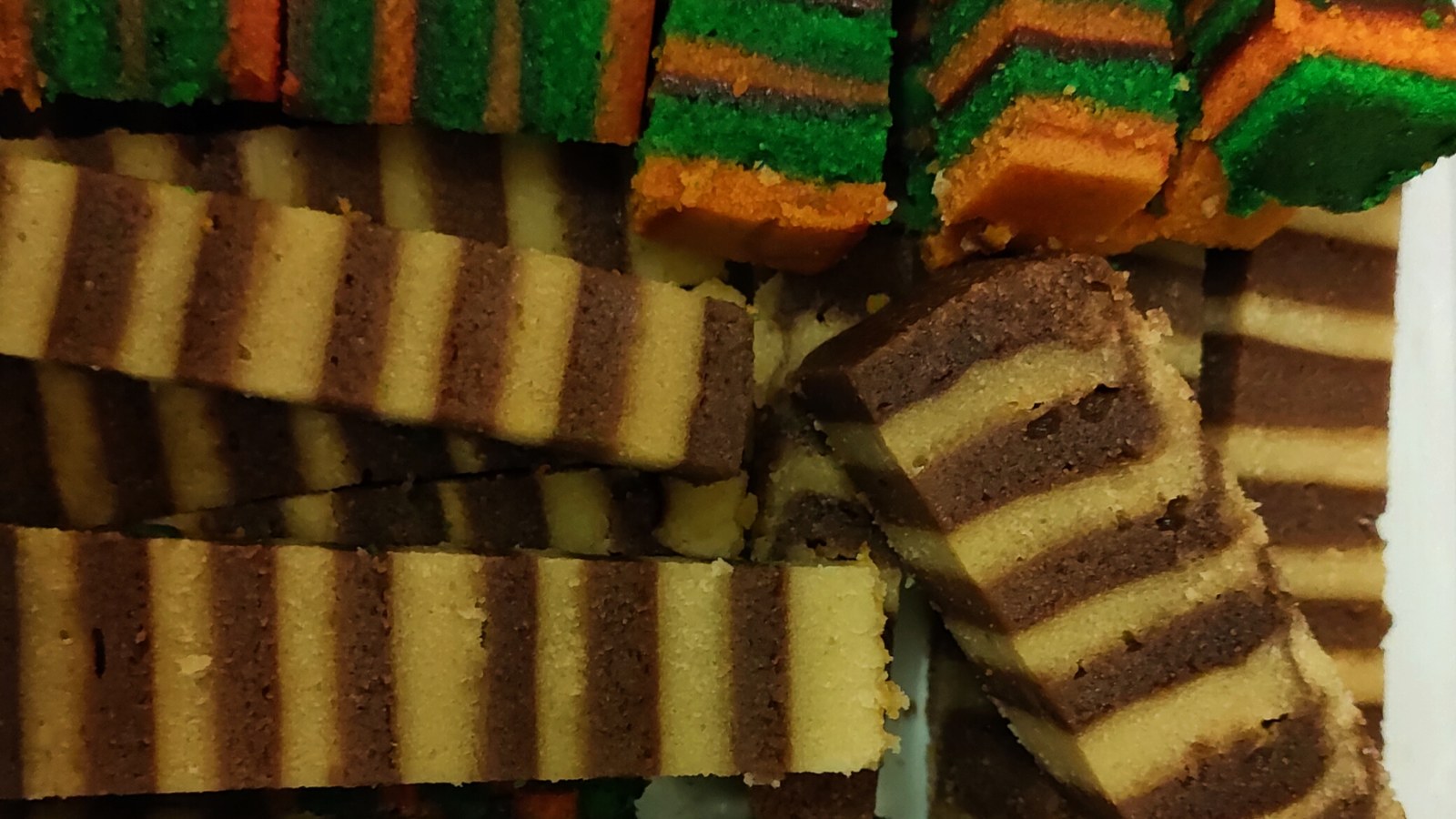
Kek lapis is priced by size rather than per person: roughly RM10–30 for a small cake and RM30–75 for a large one at Dayang Salhah, which is the practical souvenir budget to plan around.
What to try beyond the headline dishes
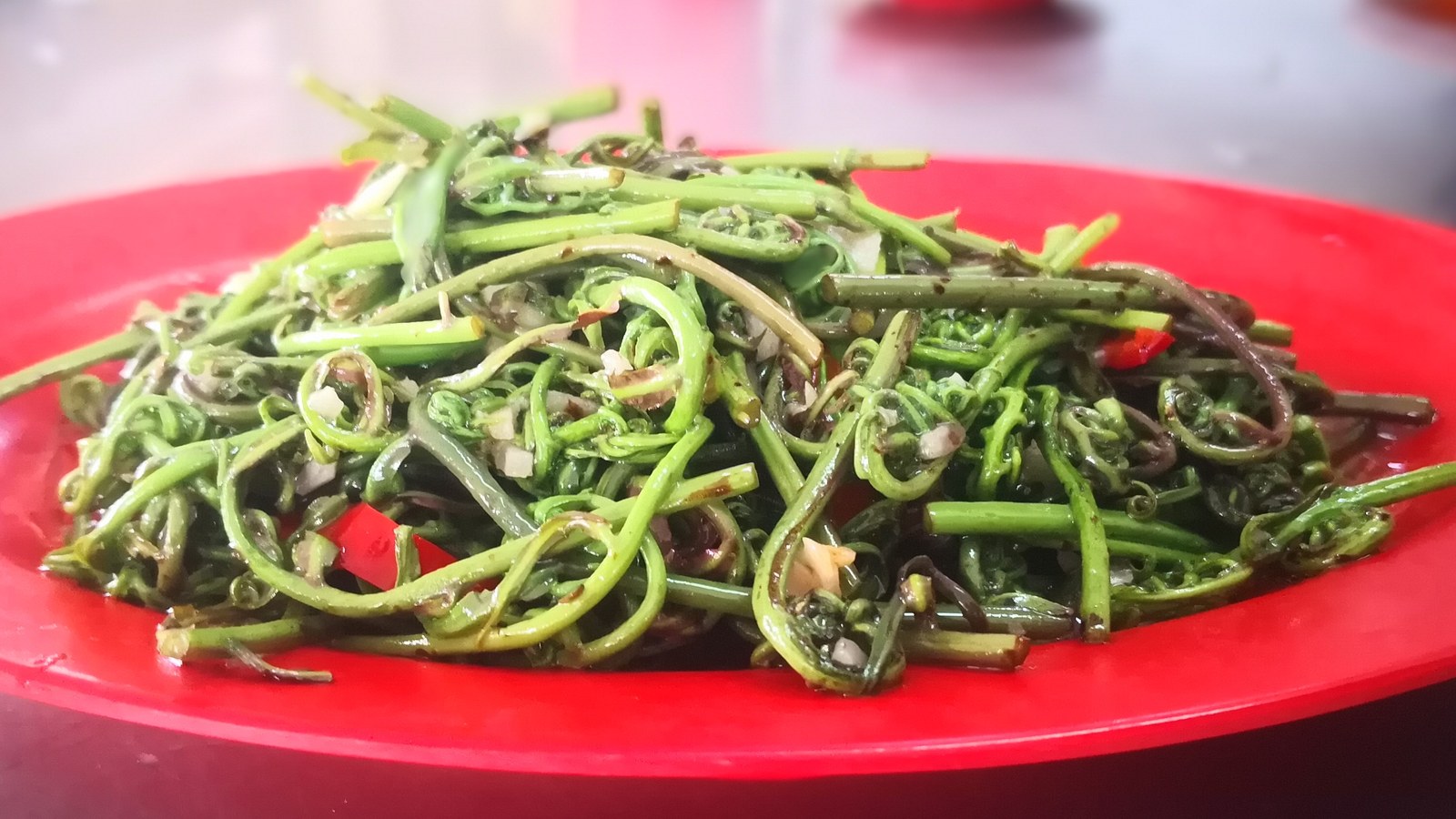
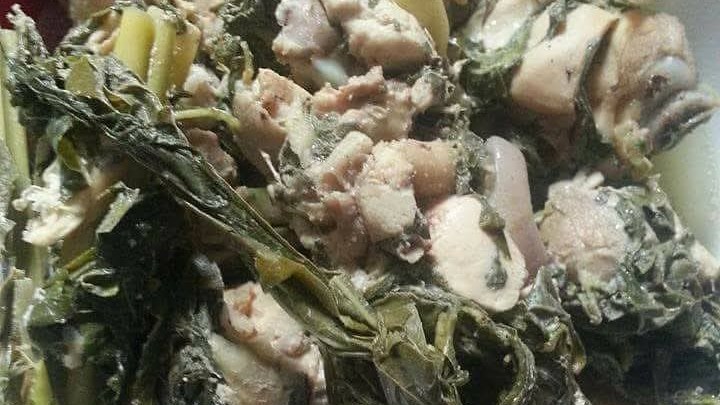
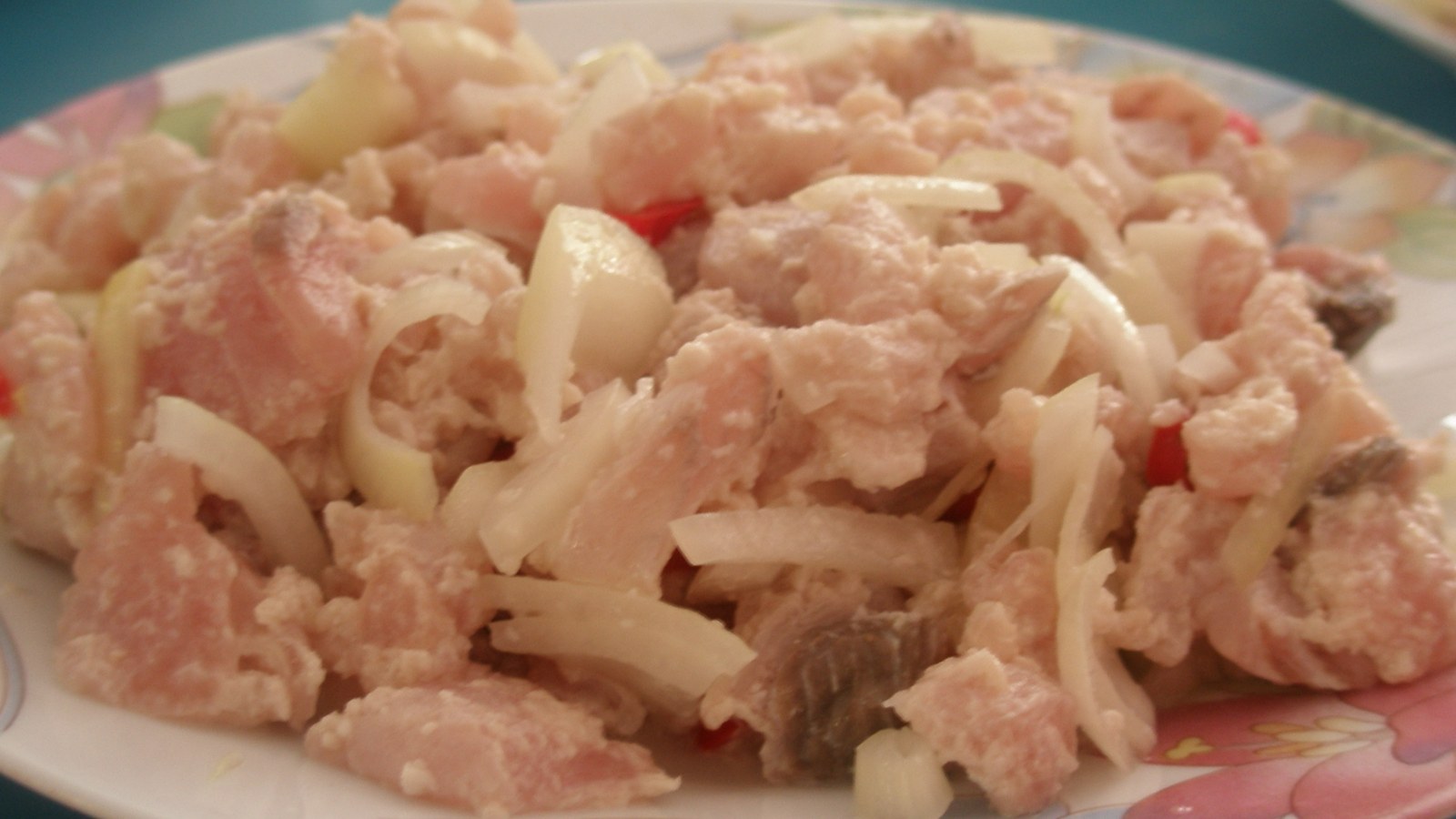
Manok/ayam pansoh (chicken slow-cooked in bamboo with lemongrass), umai (Melanau-style citrus-cured raw fish or prawns), and midin (a wild jungle fern stir-fried with garlic, chilli or belacan) are the three indigenous dishes worth going out of your way for. All three turn up at the village-style restaurants and seafood courts on this list, and midin in particular is a cheap, fixed-price way to round out a Top Spot order.
How to pick, in one line
One meal only: Sarawak Laksa at Choon Hui, before 9am. One day: Choon Hui or Green Hill for breakfast, Lepau for a proper sit-down introduction to Iban and Orang Ulu cooking at lunch, Top Spot for dinner. Travelling with people who won't eat raw fish or offal: My Village Barok's ayam pansoh is the safest crowd-pleaser, and Kompia House or Dayang Salhah covers the take-home. Avoid Tuesdays, Thursdays and Saturdays if kueh chap is the reason you came.
Related reads
- Kolo Mee and Sarawak Laksa in Kuching
- Kuching attraction prices in 2026
- Best Riverside Boutique Hotels in Kuching
*Cover image: Sarawak laksa from Choon Hui Cafe, the first stop on this list — photo: Richx10 (Wikimedia Commons, CC BY-SA 4.0). Item photos are representative images of each spot's headline dish, not photographs of that specific stall's serving: #2 Lemmas123 (CC0), #3 Encik Tekateki (CC BY-SA 4.0), #4 AasonTing (CC BY-SA 4.0), #5 Song GK (CC0), #6 (WT-shared) Anwarul (public domain), #7 Miss Izzah (CC BY-SA 4.0) and #8 AasonTing (CC BY-SA 4.0), all via Wikimedia Commons.*