> Quick view: MediAsas is not on sale to the public yet. Its pilot runs in the Klang Valley until October 2026 for staff of selected employers, and the national launch is January 2027. What the pilot has already done is publish the product in detail, so you can judge it now, before your current medical card's next renewal notice arrives.
Malaysia has spent two years arguing about medical insurance premiums. In December 2024 Bank Negara Malaysia (BNM) said medical cost inflation had reached 15% in 2024, against a global and Asia Pacific average of 10%, and announced interim measures to slow premium rises. Its January 2026 White Paper then showed how steep the 2024 repricing round had been: 21% of revised policies rose by under 10%, 40% by 11% to 20%, 30% by 21% to 40%, and 9% by more than 40%.
MediAsas is the answer the government has built. This guide is based on three primary documents read on 17 September 2026: BNM's MediAsas FAQ, Version 1: Pilot Programme (dated 29 July 2026), the White Paper on the Base MHIT Plan, and the Ministry of Finance press release of 6 July 2026. It explains how the plan works. It is not advice on whether to buy it or drop an existing policy.
Who can join the pilot, and who cannot
The Ministry of Finance says the pilot runs from end-July to October 2026 in the Klang Valley, with six insurers and takaful operators: AIA, Allianz Life, Great Eastern Life, Prudential BSN Takaful, Etiqa Family Takaful and Syarikat Takaful Malaysia Keluarga. BNM's own MHIT page adds the important part: the pilot is a controlled test involving staff of selected statutory bodies, GLCs and SMEs, and "most Malaysians will not be affected during this phase".
The pilot FAQ narrows it further. During the pilot, applicants must be aged 16 to 70 (the launch version opens at age 0 to 70) and hold a valid MyKad. Permanent residents and foreigners living in Malaysia are promised access at the national launch. You may hold only one MediAsas at a time, and switching insurers, switching between the two plans, or converting an existing medical card are all not available during the pilot.
The ten in-network hospitals for the pilot are KPJ Sentosa KL, KPJ Tawakkal, KPJ Rawang, KPJ Kajang, Pantai Hospital Klang, Pantai Hospital Cheras, Pantai Hospital Ampang, Bukit Tinggi Medical Centre, Columbia Asia Hospital Klang and Subang Jaya Medical Centre. BNM says the list will grow.
The two plans, in ringgit
MediAsas Teras is the standard plan:
- Annual limit: RM100,000 up to age 59, RM150,000 from 60. No lifetime limit.
- At an in-network hospital: a deductible of RM500 per disability, or RM1,000 from age 60.
- At an out-of-network hospital: the same deductible plus 20% co-insurance, capped at RM3,000 per disability.
- No co-payment at all for treatment at a government healthcare facility, for emergency treatment, or for outpatient cancer treatment.
"Per disability" means one illness and its complications. BNM's own example is Adam, 30: a RM50,000 procedure costs him RM500, and a separate dengue admission later that year costs him another RM500. The same illness counts as new again only if he stays treatment-free for 90 days after discharge.
MediAsas Fleksi is the cheaper, catastrophe-focused plan:
- Annual limit: RM300,000.
- Deductible: RM10,000 per year at in-network hospitals, RM15,000 out of network. No co-insurance.
- No waiver for government hospitals or emergencies.
BNM pitches Fleksi at people whose employer already covers the first chunk of a bill. In its example, Mei Ling's employer pays the first RM10,000 of a RM50,000 bill, Fleksi pays RM40,000, and a later RM20,000 admission in the same year is paid in full because the yearly deductible is already used.
The worst case per illness at Teras, for someone under 60: RM500 at an in-network hospital, and RM3,500 out of network (RM500 plus the RM3,000 cap), however large the bill, until the RM100,000 annual limit is reached.
What you get, and what you do not
The schedule of benefits pays "as charged" within the annual limit for hospital stays, ICU (up to 90 days per disability), surgery, day surgery, pre-hospital tests within 30 days and follow-up within 90 days of discharge. Some items are capped: physiotherapy at RM200 a session, 10 sessions per disability, and home nursing at RM3,000 a year. Outpatient treatment at a hospital's outpatient department is covered only for dengue, influenza A and B, bronchitis and pneumonia, up to RM3,000 a year with a RM50 deductible per visit on Teras.
The room is the biggest change from most medical cards. There is no daily room-and-board allowance. You get a shared room (four-bed or two-bed), a free upgrade at an in-network hospital if none is available, and you pay the difference if you choose a private room.
The exclusion list runs to 35 items. The ones most likely to matter: pre-existing conditions, pregnancy and childbirth, mental or nervous disorders, congenital conditions, dental treatment, cosmetic surgery, treatment overseas, and infectious diseases that must be notified by law. That last exclusion sits oddly beside the dengue cover, since dengue is a notifiable disease in Malaysia, so ask the insurer how the two lines interact before you rely on either.
Waiting periods and the seven-year rule
- 30 days from the start date: no cover for any illness, only accidental injury.
- 120 days: no cover for treatment of specified illnesses.
- Seven years: the moratorium. Until it ends, a claim can be contested for non-disclosure. Even after seven years, the insurer can still reject a claim for fraudulent non-disclosure, or one linked to a pre-defined serious condition (cancers, end-stage organ failure, major heart disease, Parkinson's, epilepsy, lupus and similar) that existed before, or appeared within 30 days of, the start date.
MediAsas is fully underwritten, so you complete a health questionnaire, and a medical check-up paid by the insurer may be requested.
What it will cost
The Ministry of Finance gives a target range of about RM60 to RM550 a month for people joining at up to age 70, with final pricing to be confirmed before the national rollout. The January White Paper's indicative bands show how age drives that:
- Age 31 to 35: RM80 to RM120 (Teras), RM50 to RM70 (Fleksi)
- Age 61 to 65: RM280 to RM350 (Teras), RM220 to RM280 (Fleksi)
- Above 75: RM500 to RM780 (Teras), RM400 to RM660 (Fleksi)
Premiums rise with age, are not guaranteed, and can be revised with 30 days' notice before your policy anniversary. Your own claims do not change your own premium; changes are set for the whole MediAsas pool. There is no no-claims benefit and no refund if you cancel after the 15-day free-look period. BNM says premiums may qualify for personal tax relief, subject to LHDN, and the White Paper says EPF members will be able to pay from Account Sejahtera if they choose.
Why January 2027 is the date to watch
BNM's interim measures of 20 December 2024 made insurers spread repricing over at least three years, with at least 80% of policyholders expected to see yearly rises of under 10%, and paused increases for one year for policyholders aged 60 and above on their plan's minimum tier. BNM said the measures would remain in place until the end of 2026. The Finance Ministry set the MediAsas launch for January 2027, and the Finance Ministry has said BNM will strengthen the rules for all medical insurance products once the base plan is introduced. We found no announcement extending the interim measures as of 17 September 2026.
One point to check when the national version arrives. At the January 2026 press briefing, ministers said policyholders facing repricing could switch to the base plan with their current insurer "without new medical underwriting". The July pilot FAQ is more cautious: switching an existing card to MediAsas with the same insurer is "subject to the insurer's or takaful operator's terms and conditions, including but not limited to eligibility requirements and underwriting rules", with details promised at launch. Which of those two readings survives is the single most important term for anyone with a health history.
Related reads
- New personal tax reliefs in Malaysia for 2026: where medical insurance premiums sit in your tax return.
- EPF Akaun Fleksibel withdrawals in 2026: how EPF's accounts work now.
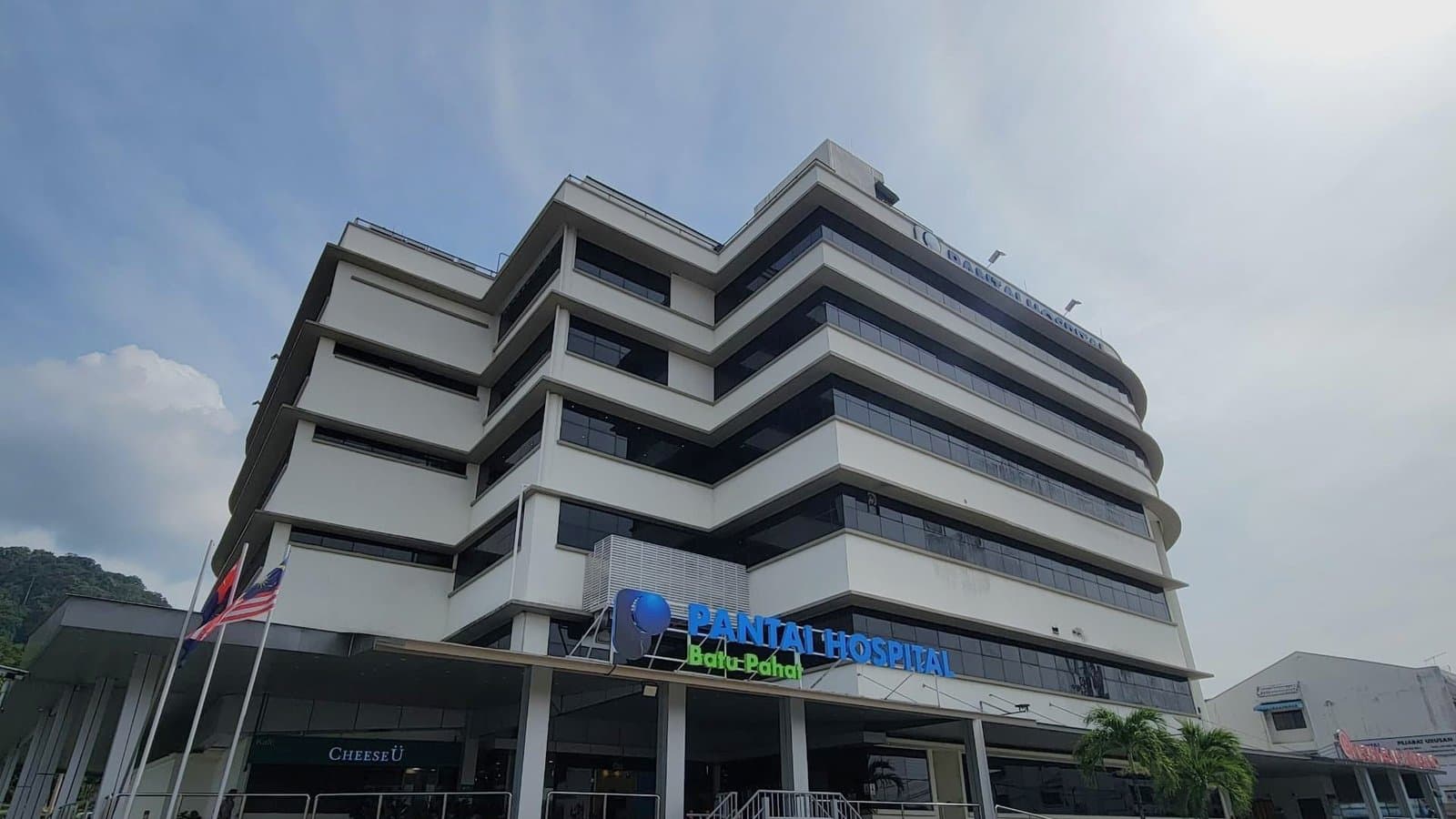
*Cover image: Pantai Hospital Batu Pahat, a private hospital, by Errafarhana, CC BY-SA 4.0, via Wikimedia Commons. It is not one of the ten pilot hospitals, which are all in the Klang Valley.*
*Sources: BNM MediAsas FAQs Version 1 (29 July 2026), BNM White Paper on the Base MHIT Plan, BNM MHIT page, BNM press release of 20 December 2024, Ministry of Finance press release of 6 July 2026 and JBMKKS briefing of 22 January 2026. Read on 17 September 2026. Pilot terms may change before the national launch.*