Bintulu is a working town. It sits on the central Sarawak coast between Miri and Sibu, it was a fishing village until offshore gas was found in the 1960s, and today it is one of the country's heaviest oil-and-gas nodes. Sarawak Tourism Board's own overview says as much, and then adds, almost apologetically, that it also offers natural attractions "from national parks to scenic beaches". That is the honest framing: nobody flies to Bintulu for a holiday, but a lot of people pass through it, and there is more here than the two hours most of them give it.
The problem is that the official information has aged badly. The Bintulu Development Authority — the statutory body created on 8 July 1978 to run the town's development after the gas find — publishes a Places of Interest page that is dated 19 August 2010. It is well written and still broadly accurate on geography, but it is sixteen years old. It recommends Kuala Nyalau up a road it describes as narrow, hilly, winding and partly bare soil, warns you not to drive it in heavy rain, and lists among the wares of the nightly pasar malam "smuggled cigarettes & liquors". Sarawak Tourism Board's Bintulu pages are current by contrast, but thin: five major attractions, and a Useful Information panel under each that is empty — no opening hours, no admission fee, no contact.
So this list works the other way round. Where an operator publishes something itself, we quote it. Where nobody does, we say so, because "no published fee" is useful information in its own right and is very different from "expensive".
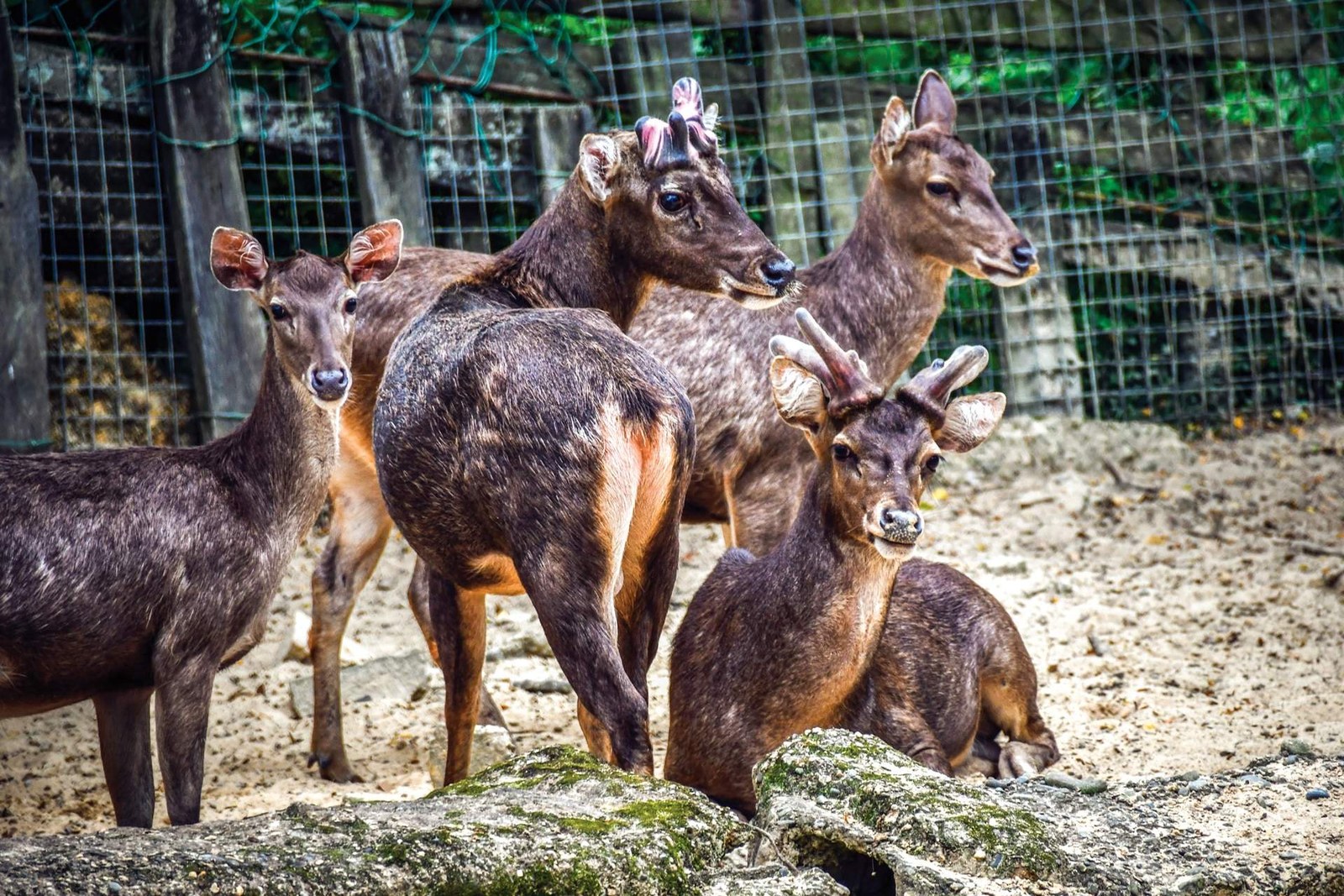
What that turns up is a single priced attraction. Taman Tumbina publishes RM2.00 for an adult and RM0.50 for a child of seven and above or a student in school uniform, and hours of 9.00am to 4.30pm daily. That is the only admission price any Bintulu attraction publishes on its own website, and even it comes with a caveat: the site carrying it has a copyright line reading 2004 and a latest-news entry from February 2017. Similajau National Park has a price too — RM10 for a Malaysian adult — but it is set by gazette rather than by the park, and the park is not currently letting anyone in to pay it. Treat RM2 as the order of magnitude rather than a guarantee, and carry small notes.
How to plan a stop. Bintulu rewards a half day rather than an afternoon, and the sequence matters more than the list.
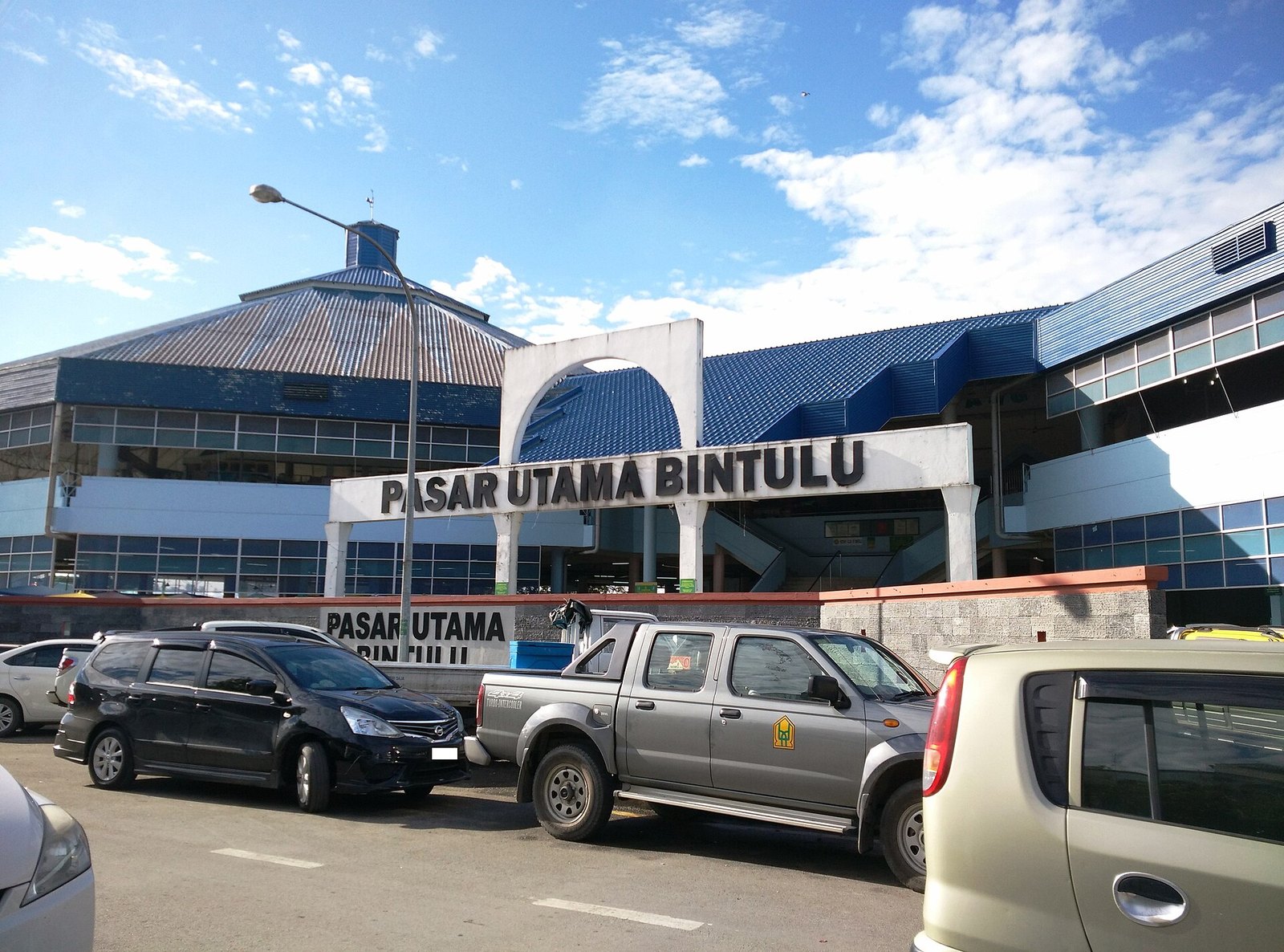
Morning belongs to the market. Pasar Utama and Pasar Tamu sit side by side in the middle of town and are at their best early, when the produce, the belacan and the cincaluk are moving. The upper floor of Pasar Tamu is where the cooked food and the kek lapis are.
Midday belongs to Tumbina, because it closes at 4.30pm and the hill walk to the South China Sea viewpoint is the point of going. Sixty ringgit gets a family of four in, which is close to free by Malaysian attraction standards.
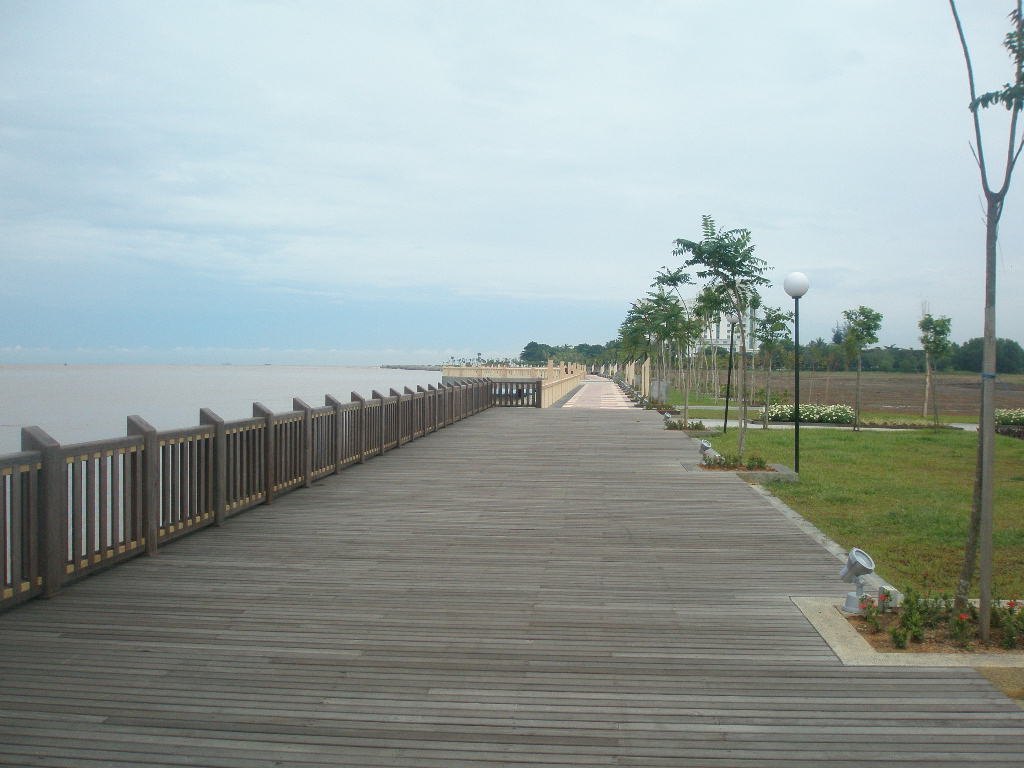
Late afternoon belongs to the water. Tanjung Batu Beach and the Bintulu Promenade both face west, and the promenade — 120 acres, described by BDA as the state's longest waterfront attraction — runs by the Kemena delta near the Parkcity Everly. Since 2025 the Bintulu–Jepak Bridge crosses the river beside it, which is the single most visible thing built here since the official list was written.
Dark belongs to Kidurong. This is the recommendation that makes Bintulu Bintulu. Sarawak Tourism Board says plainly that Kidurong Tower is best shortly after dark, when the flame-offs from the refineries and processing plants at Tanjung Kidurong light the sky. It is an industrial view, and it is genuinely spectacular, and no brochure anywhere else in Malaysia sells you one.
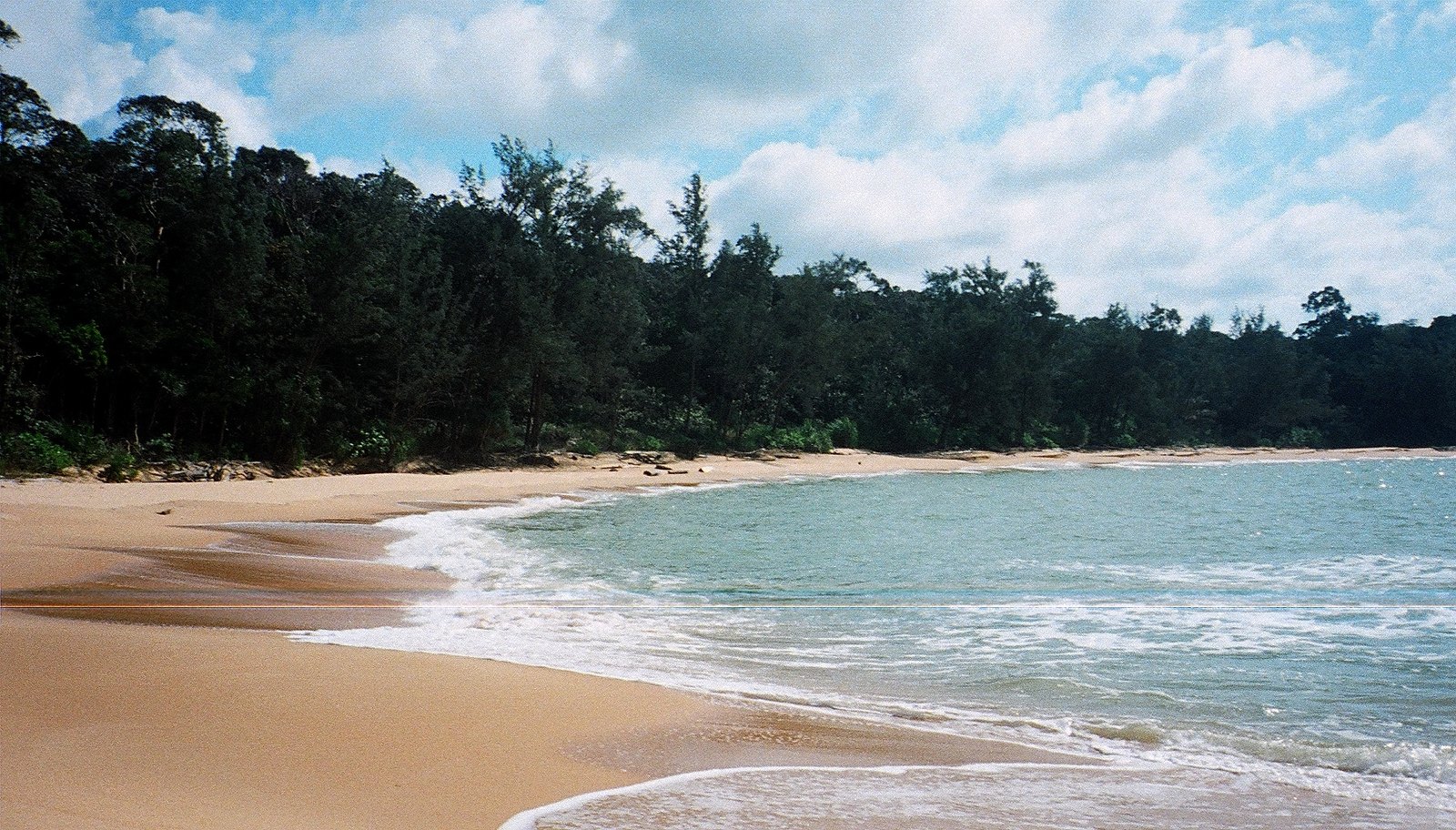
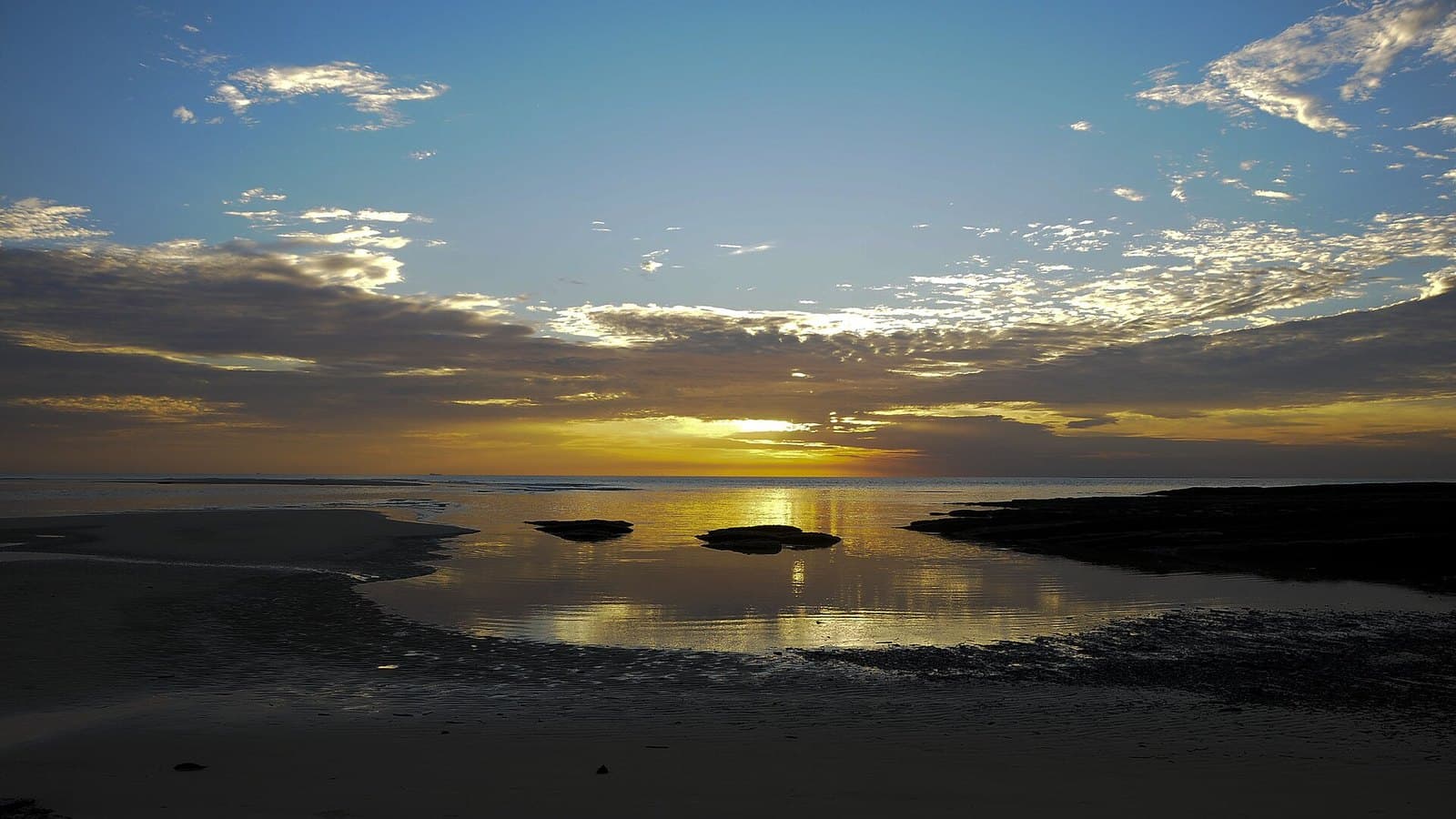
A note on Similajau, and it is the one thing on this page that can ruin a day. It is the attraction people mean when they say Bintulu has a national park — a long golden-sand coast backed by mangrove and dipterocarp forest, roughly forty minutes up the coastal road. As at 1 October 2026 it is still not admitting visitors — the same notice was re-checked on SFC's park page that morning, with no reopening date added. Sarawak Forestry Corporation's own park page for Similajau carries a notice, dated 19 December 2025 and still displayed, that repair and maintenance works are being carried out, that access is temporarily restricted, and that no visitors are allowed to enter. SFC's live visitor-registration portal says the same thing in a different way: asked for a visit today it offers Bako, Fairy Cave, Gunung Gading, Kubah, Lambir Hills, Matang Wildlife Centre, Niah, Semenggoh and Wind Cave, and Similajau is simply not on the list — even though the Sarawak Government's own service description names it as one of the parks e-ticketing covers. The price, by contrast, was never a mystery, and the RM10 figure floating around aggregator sites turns out to be the gazetted one: the Second Schedule to the National Parks and Nature Reserves (Amendment) Regulations 2010, published by the Forest Department Sarawak, prices every national park in the state at RM10 for a Malaysian adult, RM5 for a Malaysian senior citizen or disabled person, RM3 for a Malaysian child above 6 and under 18, and free for 6 and under, with non-Malaysians at RM20, RM10 and RM7. Sarawak Tourism Board does have a Similajau page — just not on its Bintulu town list — and it gives 8.00am to 5.00pm daily and a park phone of 086-314306. Phone 086-314306 or the Forest Department number BDA publishes, 086-336101, before you drive out; a reopening is unlikely to be posted anywhere you would think to look.
And two things worth building the day around if the dates fall right. Bintulu hosts the Borneo International Kite Festival, promoted on BDA's own homepage and run from its own site at borneokites.com. Check the year before you plan around it: the site states that the 19th Borneo International Kite Festival 2026 took place on 22–26 July 2026 at Bintulu Old Airport, so this year's edition is already past — the next one is a 2027 trip, and borneokites.com is where the date will appear first. And the Bintulu Golf Course, an 18-hole course BDA describes as international standard with a hilltop clubhouse looking over the South China Sea, is the town's other genuine draw for anyone who plays.
If you are passing on a Saturday in October, November or December, time it for a Car Free Morning. Bintulu Development Authority's published Program BDA 2026 calendar lists the Bintulu Car Free Morning (BCFM) on 17 October, 21 November and 19 December 2026 — all Saturdays. It is a free, BDA-run community morning: the June 2025 edition at Tanjung Batu closed the road from Tanjung Batu car park No. 2 to the ABF beach junction from 7.30am to 12pm for cycling, aerobics and family activities (Utusan Sarawak, 19 June 2025). The venue moves between editions — Tanjung Batu and Lasar Kenyalang at the Old Airport have both hosted it — so check BDA's Facebook page the week before. If you are driving the coast road that morning, expect the Tanjung Batu stretch to be closed until noon.
Related reads
- 8 Things to Do in Sibu, Sarawak 2026 — the next town down the Pan Borneo Highway, and the other Sarawak stop most itineraries skip.
- Best Things to Do in Miri, Sarawak 2026 — Bintulu's neighbour to the north-east, and where the gazetted park fees in this article actually get charged at the gate.
- 8 Family-Friendly Things to Do in Kuching, Sarawak — if the drive ends in the state capital.
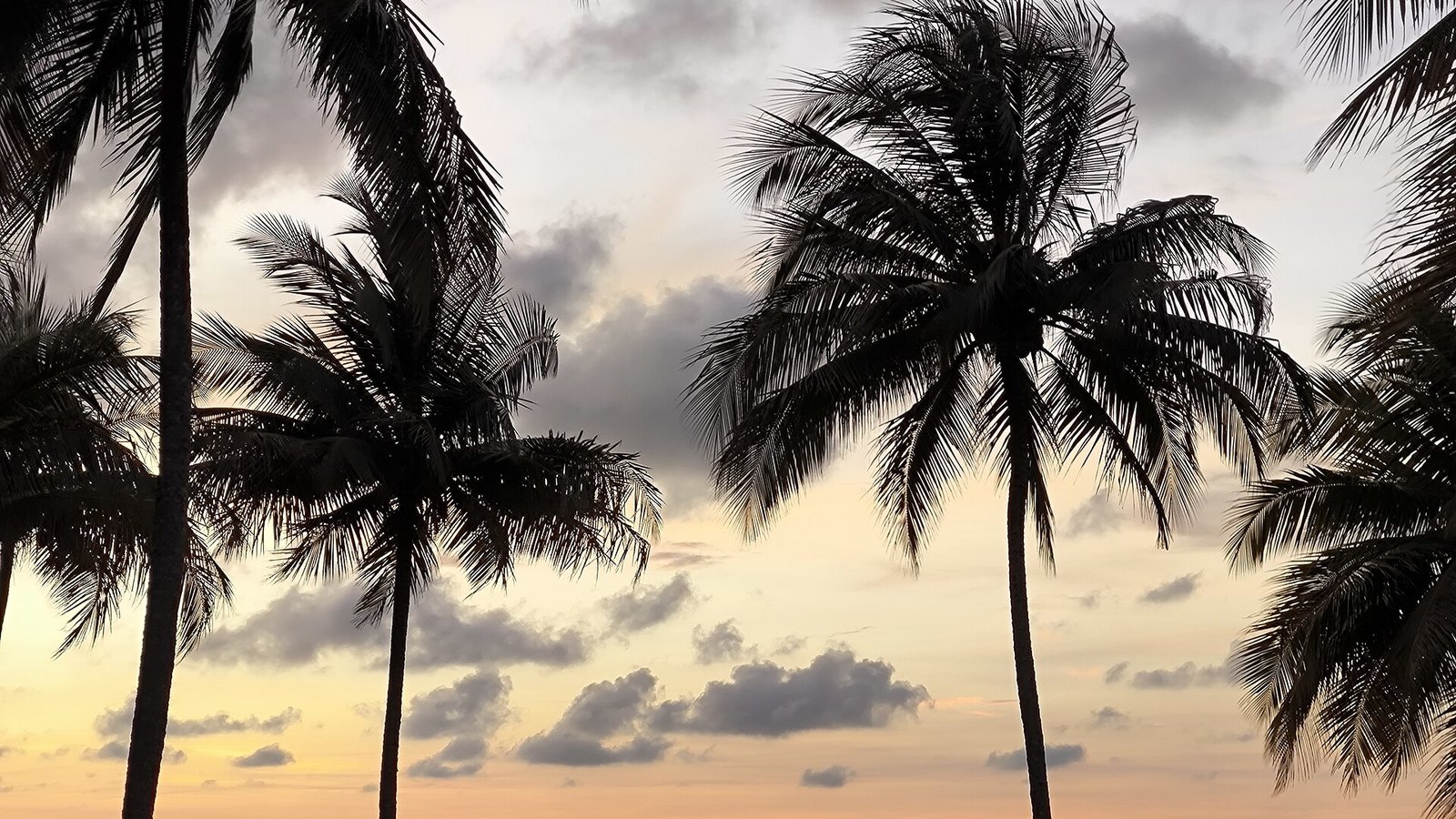
*Cover image: Sunset at Similajau National Park, Bintulu — kambut, CC BY 2.0, via Wikimedia Commons*