> Quick view: bak kut teh in Klang is a timetable problem first. Teck Teh closes 2pm, Seng Huat trades 7.30am-1pm and 5.30-8pm, Yap Eng breaks 2.30-5.30pm. Teluk Pulai and Kee Heong run to 9pm, Pao Xiang to 8.30pm. Heng Kee in PJ opens only at 4.30pm; Sun Fong at Medan Imbi in KL runs 8am-10pm daily. Kee Heong and Heng Kee are closed all day Monday, and Yap Eng drops its Monday evening session. Three styles: dark herbal soup, dry claypot, and claypot soup. The dish was gazetted a Malaysian national heritage food on 24 February 2024. It is a pork dish and none of these shops is halal.
The list that gets written, and the list that gets used
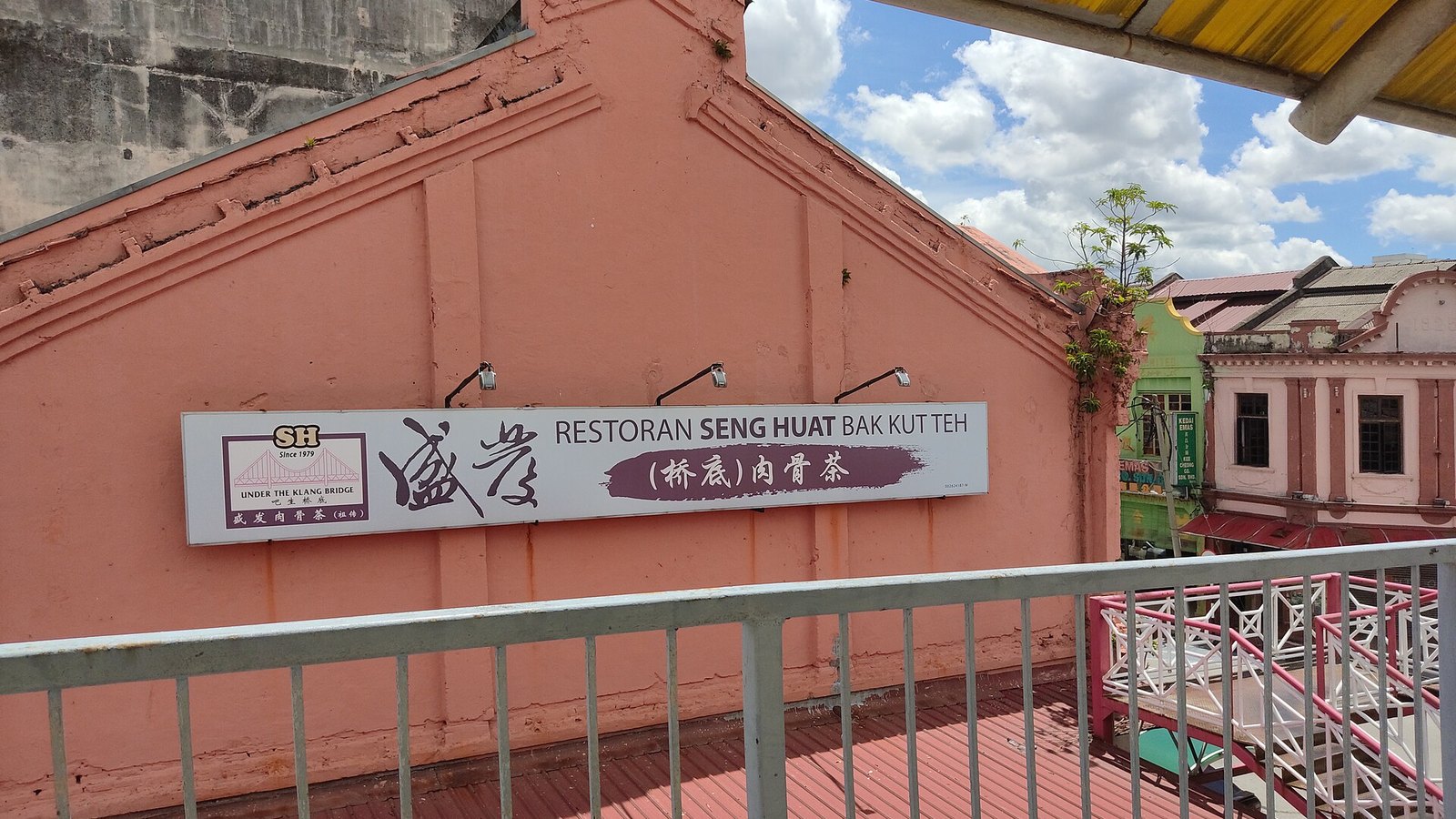
Search for bak kut teh in Klang and you will find a dozen rankings, all of them arguing about broth. Almost none of them lead with the fact that decides the outcome of your trip, which is that the town's most celebrated shops keep hours built around a pot rather than around a working day. Kedai Makanan Teck Teh shuts at 2pm. Seng Huat, the shop under the road bridge that most visitors are sent to, trades from 7.30am to 1pm and then not again until 5.30pm. Yap Eng takes three hours off in the middle of the afternoon. Drive out from Kuala Lumpur at noon on a Saturday, as thousands of people do, and you can arrive in the acknowledged capital of the dish to find three of its best-known shops closed.
So this list is organised around the clock. Eight shops, each checked on 22 August 2026 for address, trading status and posted hours, sorted so that you can work backwards from when you are actually free. Six are in Klang. One is in Kuala Lumpur and one in Petaling Jaya, included precisely because they solve the timing problem that Klang creates.
What "bak kut teh" actually covers
The name means meat-bone tea, and the tea part is not decoration: pu-erh is poured alongside the meal at the older shops for the same reason it is poured at a yum cha table, to cut the fat. Beyond that, three quite different dishes travel under one name.
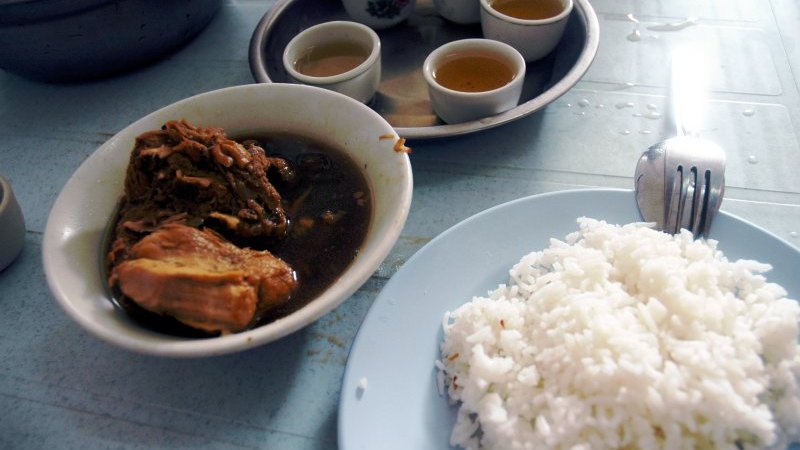
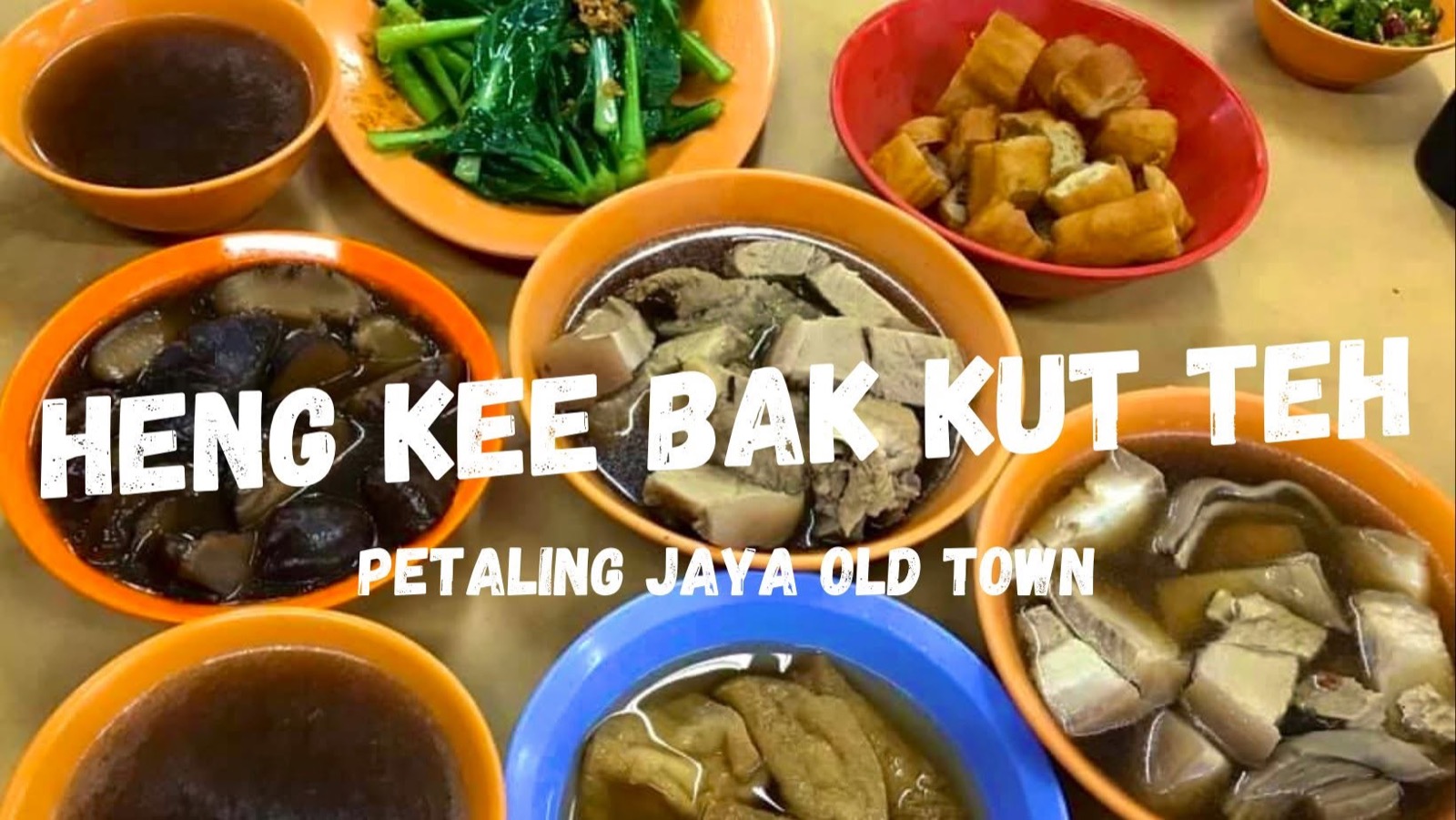
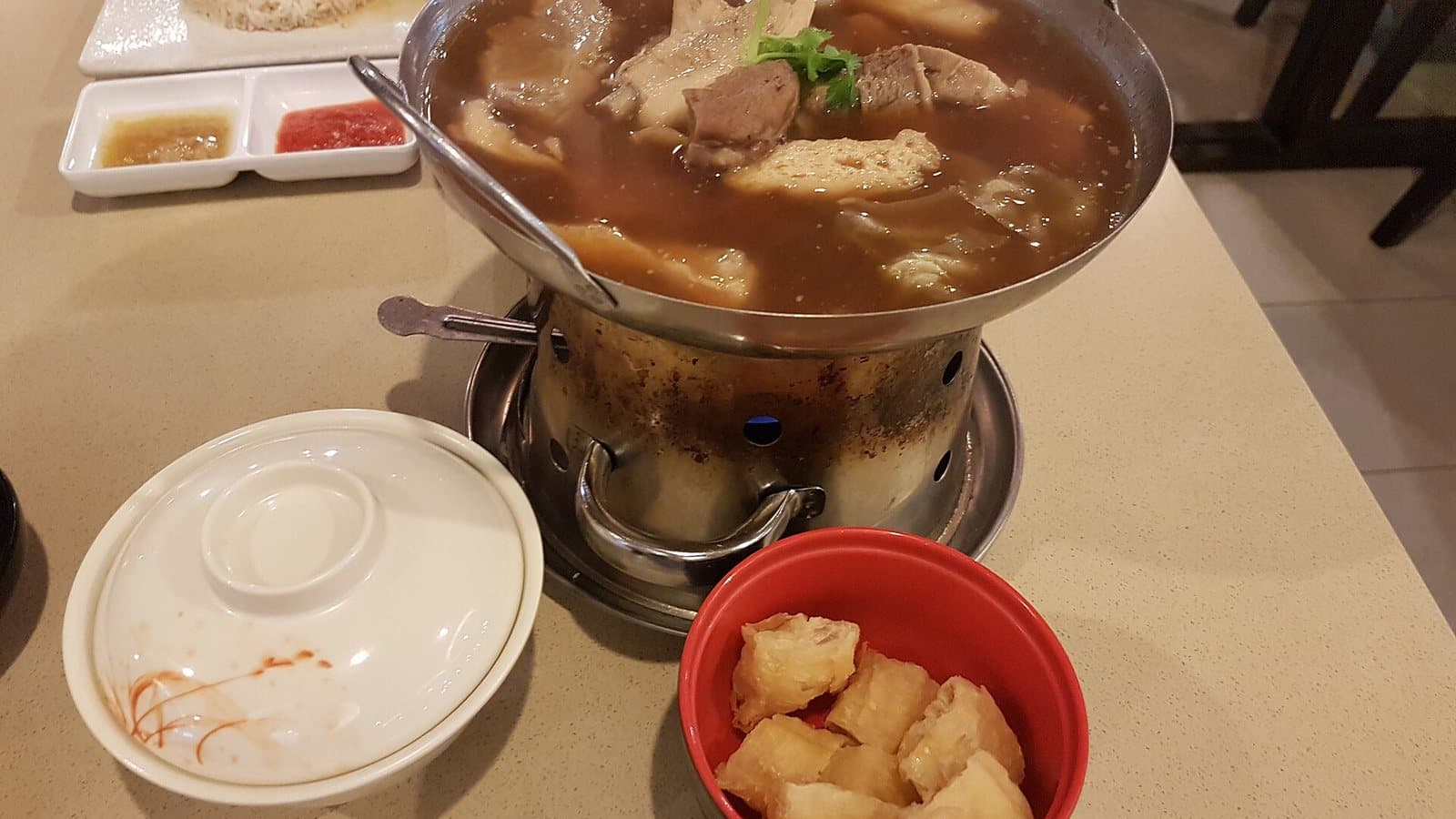
Soup bak kut teh is the default — pork simmered with a herbal packet until the broth turns dark, served with rice, you tiao for dunking and a dish of chopped garlic and chilli in soy. Most Klang shops will refill the pot if you ask.
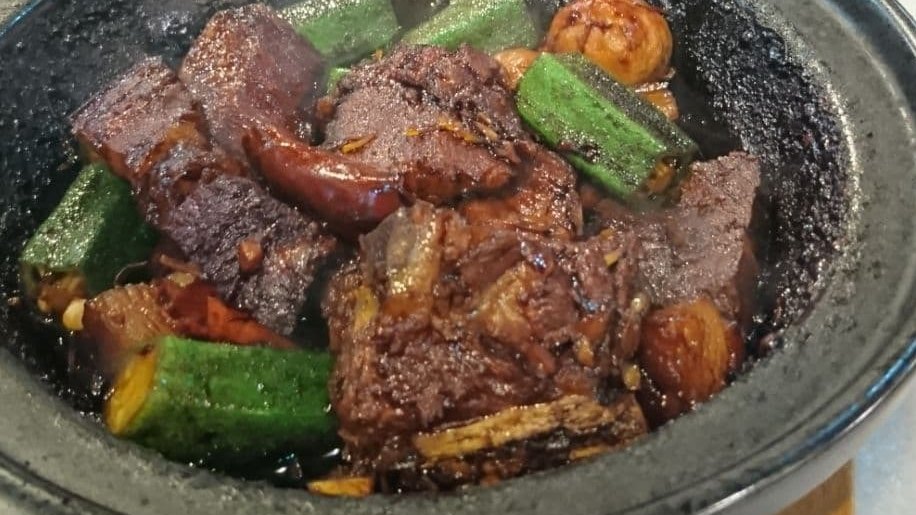
Dry bak kut teh, *kon bak kut teh*, is not the soup with the liquid removed. It is reduced in a claypot with dark soy, dried squid, dried chilli and lady's fingers until the sauce clings to the meat, and it lands much saltier and sharper on the palate. Kee Heong and Yap Eng are the two shops here that reviewers name for it first.
Claypot soup splits the difference, cooked and carried to the table in the pot so that it is still moving when it arrives.
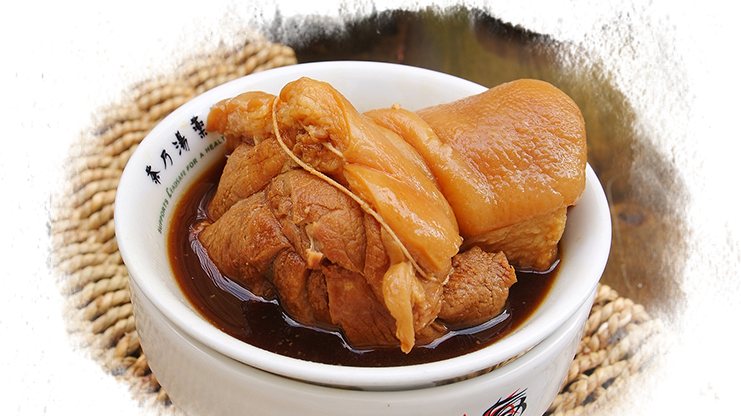
And then there is Pao Xiang, which added a fourth idea in 2000: pork bound with cotton string before it goes into the pot, so a long cook does not reduce the cut to threads. The string arrives at the table still tied. It is the most legible signature in the category.
A word about the origin story
Klang's claim rests largely on Lee Boon Teh, a Fujian migrant said to have reached the town in the 1940s and to have sold herbal meat-bone soup at the shop that trades today as Teck Teh. His descendants pushed that account from around 2010 and it has since been repeated almost everywhere. It is worth knowing that food historians do not accept it cleanly: bak kut teh is already named in newspapers in the 1930s, and the oral record places a coolie's and dock worker's meat-bone soup in both Klang and Singapore earlier than the 1940s. Klang's real claim is not that one man invented the dish but that the town is where the modern version set, and where the shops are still densest.
What is not disputed is the paperwork. On 24 February 2024, bak kut teh was gazetted as a Malaysian national heritage food, one of a group of dishes recognised that year.
The Monday problem
The clock argument has a second hand that most Klang bak kut teh lists never mention: the day. We read all eight listings day by day on 24 August 2026 rather than trusting the summary line, and the week is not flat.
- Closed all day Monday: Kee Heong (Taman Eng Ann) and Heng Kee (Seksyen 1, PJ). Between them, that is the shop most often named for dry claypot bak kut teh and the highest-rated shop on this list.
- Reduced on Mondays: Yap Eng (Taman Sentosa Utama) trades its 8.30am–2.30pm morning session but does not reopen at 5.30pm.
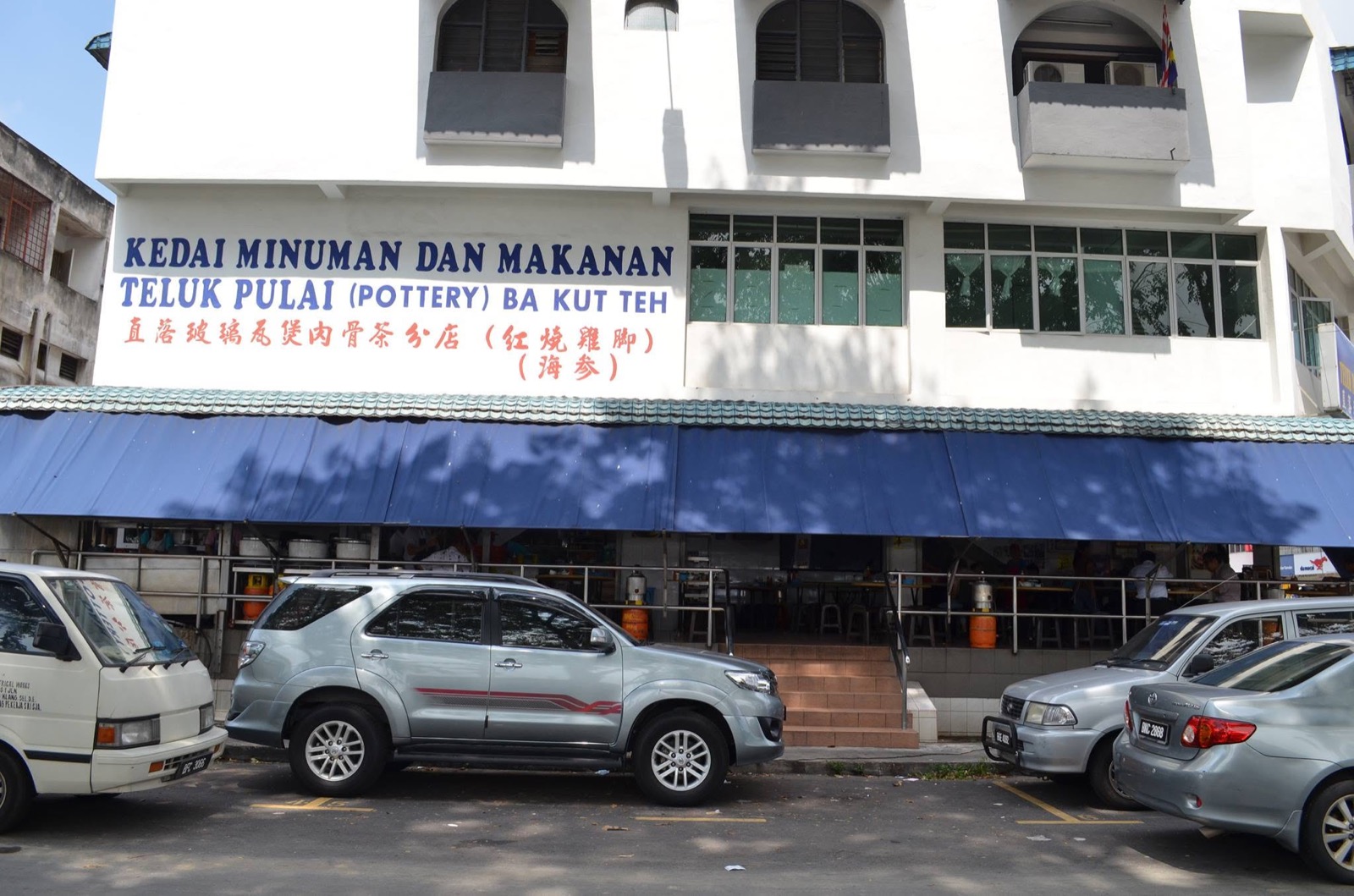
- Open normally all seven days: Teck Teh (8am–2pm), Seng Huat (7.30am–1pm and 5.30–8pm), Teluk Pulai (7am–9pm), Pao Xiang (8am–8.30pm) and Sun Fong in KL (8am–10pm, closed only on the first day of Chinese New Year).
The consequence is narrow and worth stating plainly. A Monday evening in Klang leaves you Seng Huat until 8pm, Pao Xiang until 8.30pm and Teluk Pulai until 9pm — and nothing else on this list. A Monday afternoon between 2.30pm and 5.30pm leaves Teluk Pulai and Pao Xiang in Klang, or Sun Fong in the city. And if the dry claypot version is the reason you are driving to Klang at all, do not go on a Monday.
How to pick, in the order that matters
Start with the clock. If you are eating between 8am and 1pm, Klang is wide open and you should be at Seng Huat, Teck Teh or Yap Eng. Between 2pm and 5pm, most of old Klang is shut — that window belongs to Teluk Pulai and Kee Heong, or to Sun Fong in the city. After 5pm you have the widest choice of the day, including the two evening-only shops. Check the day as well as the hour: on Mondays, Kee Heong and Heng Kee are out entirely and Yap Eng's evening session does not happen.
Then pick the style, not the shop. If you have never eaten it in Klang, order the dark herbal soup and judge the town on its own terms. If you already know the soup, the useful order is one dry claypot and one soup on the same table.
Then set expectations by rating, carefully. The lowest-rated shop here, Teck Teh at 3.1, is not a bad restaurant; it is a shop serving an older, paler, garlic-free soup to customers who arrived expecting the modern one. The highest, Heng Kee at 4.3, is serving a deliberately lighter Klang Valley style. Neither number tells you about quality on its own.
Finally, plan for sell-outs. Every shop on this list is cooking a finite quantity. The posted closing time is when the shutters come down at the latest; the pot decides the rest. Arrive in the first half of a session, and if you are driving far, ring first.
Related reads
- Bak Kut Teh in Klang, KL & PJ 2026: Who Really Invented It — and 8 Shops Worth the Detour — the history side of the same subject, including the documented case against the "invented in Klang" story, and a different eight shops.
- Best Claypot Rice Restaurants in KL & PJ 2026 — the other claypot dish worth planning a drive around.
- KL Old-School Food Institutions Worth the Detour — more long-running shops where the opening hours are the whole plan.
Where the information came from
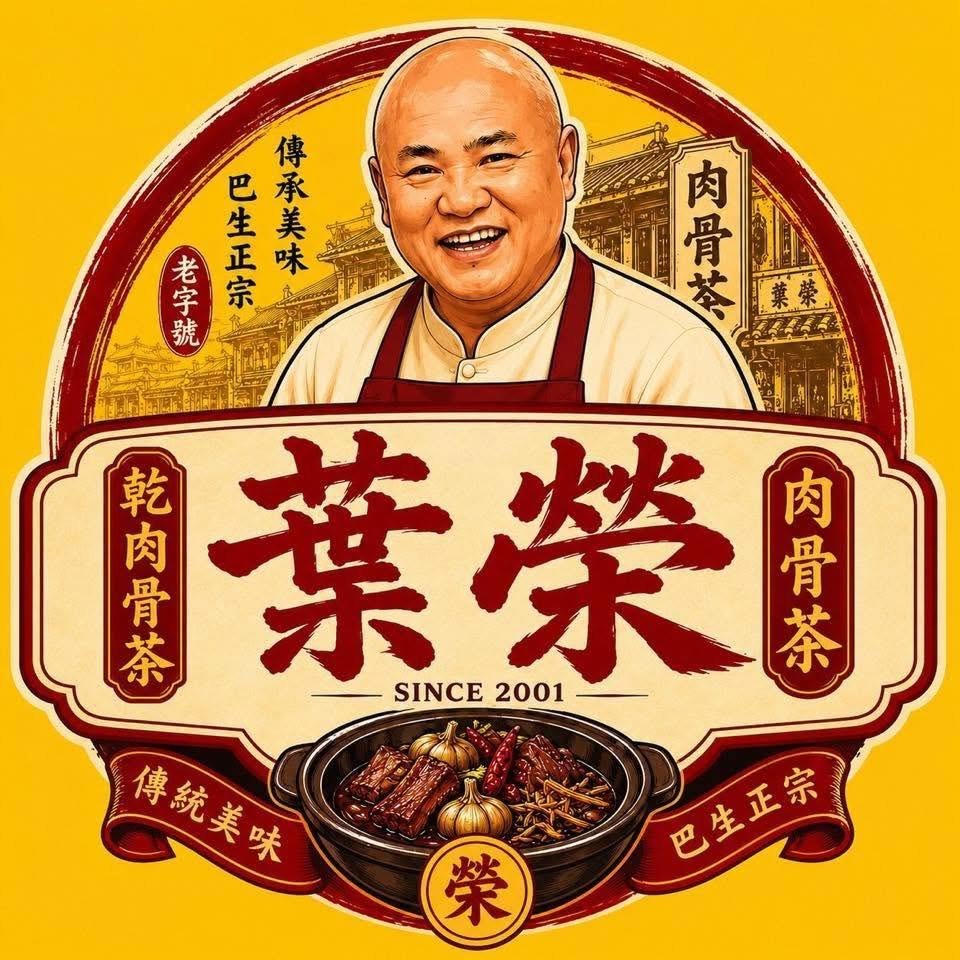
Addresses, trading status, review counts and day-by-day posted hours were read from each shop's own Google Business listing on 22 August 2026 and re-read on 24 August 2026, when the Monday closures at Kee Heong and Heng Kee, and the missing Monday evening session at Yap Eng, were confirmed on the listings themselves. Pao Xiang's founding year, founder and the string-tied method come from paoxiangbkt.com; Sun Fong's address, daily hours and menu range come from sunfongbkt.com. On 3 September 2026 we re-checked the shops that had no listed website: Yap Eng turned out to run an official Facebook page under the name 葉榮(乾)肉骨茶, carrying its phone number and a since 2001 emblem, and the entry above has been corrected accordingly. Seng Huat's own Facebook page is now linked in place of a map search, but note that the senghuatbakkutteh.com address printed on that page no longer belongs to the shop — it resolves to an unrelated overseas site, so ignore it. The national heritage gazetting of 24 February 2024 was reported by Malaysian outlets including Free Malaysia Today and The Sun. Prices move and small shops change their hours without notice, so treat everything here as a starting point and confirm before a long drive.
*Cover image: Misaochan, CC BY 4.0, via Wikimedia Commons*