Kedah Is Malaysia's Rice Bowl, And It Eats Differently
Kedah grows the paddy that feeds much of the peninsula, and its food carries that agrarian, kampung-rooted identity. Alor Setar, the state capital, sits inland on the mainland — a different food world from Langkawi island just off the coast, which has its own well-covered food scene (including the resort-town seafood and beach-bar circuit MissLobang has already covered in our Langkawi food guide). Mainland Kedah cooking leans on fish-based gravies, home-style curries cooked in giant kawah (woks), and a laksa tradition that predates the sour, Penang-famous asam laksa most Malaysians think of first.
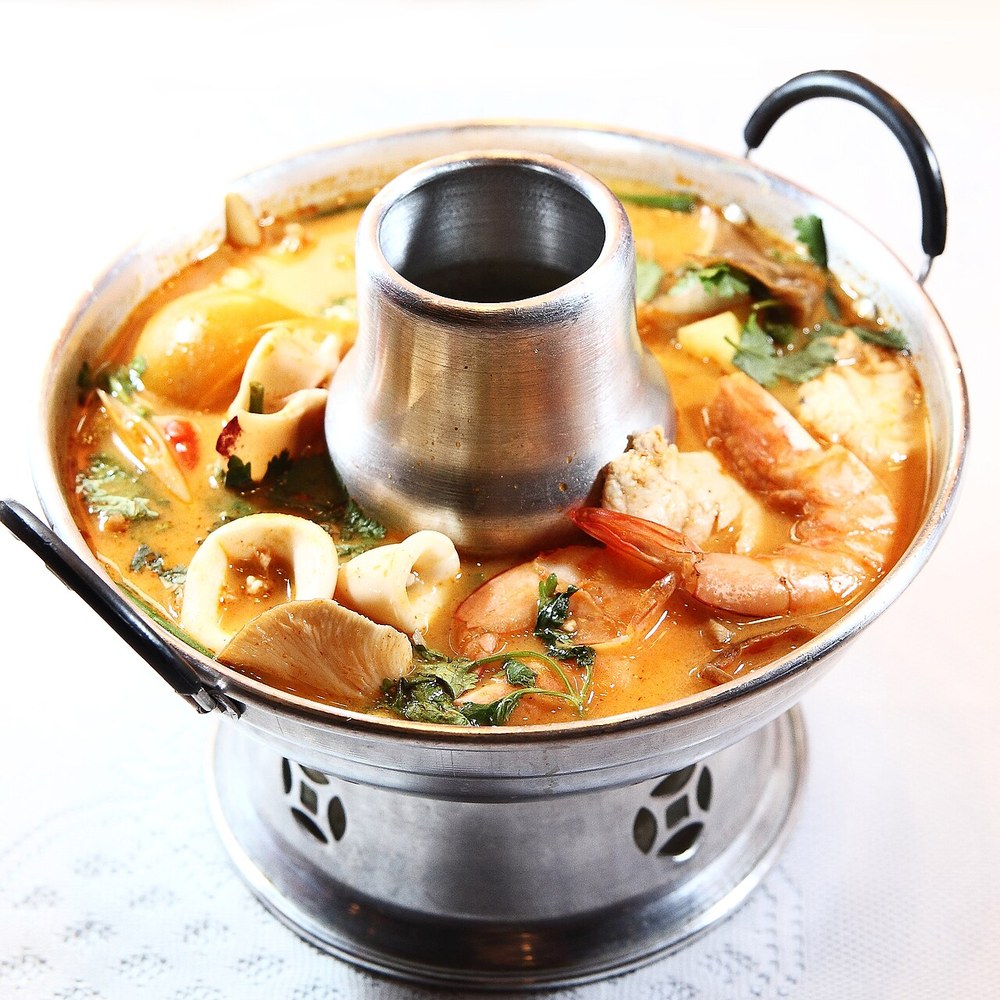
Because Kedah shares a long land border with southern Thailand, mainland towns like Bukit Kayu Hitam and Padang Besar also carry genuine Thai-Malay crossover cooking — tom yam, grilled meats and Thai-style fried rice sold by Malaysian Chinese-Muslim and Malay operators who've absorbed decades of cross-border trade and family ties.
Kedah Laksa vs Asam Laksa: Not The Same Bowl
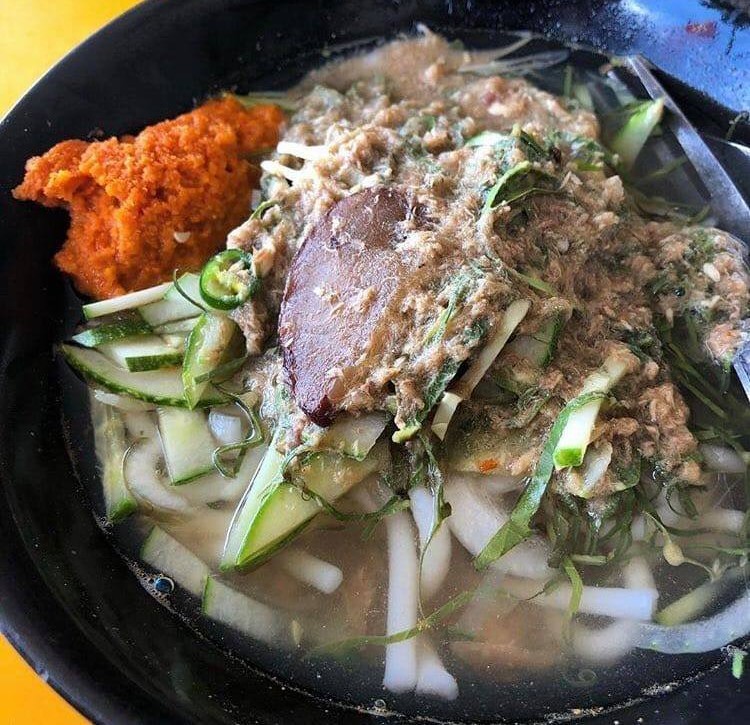
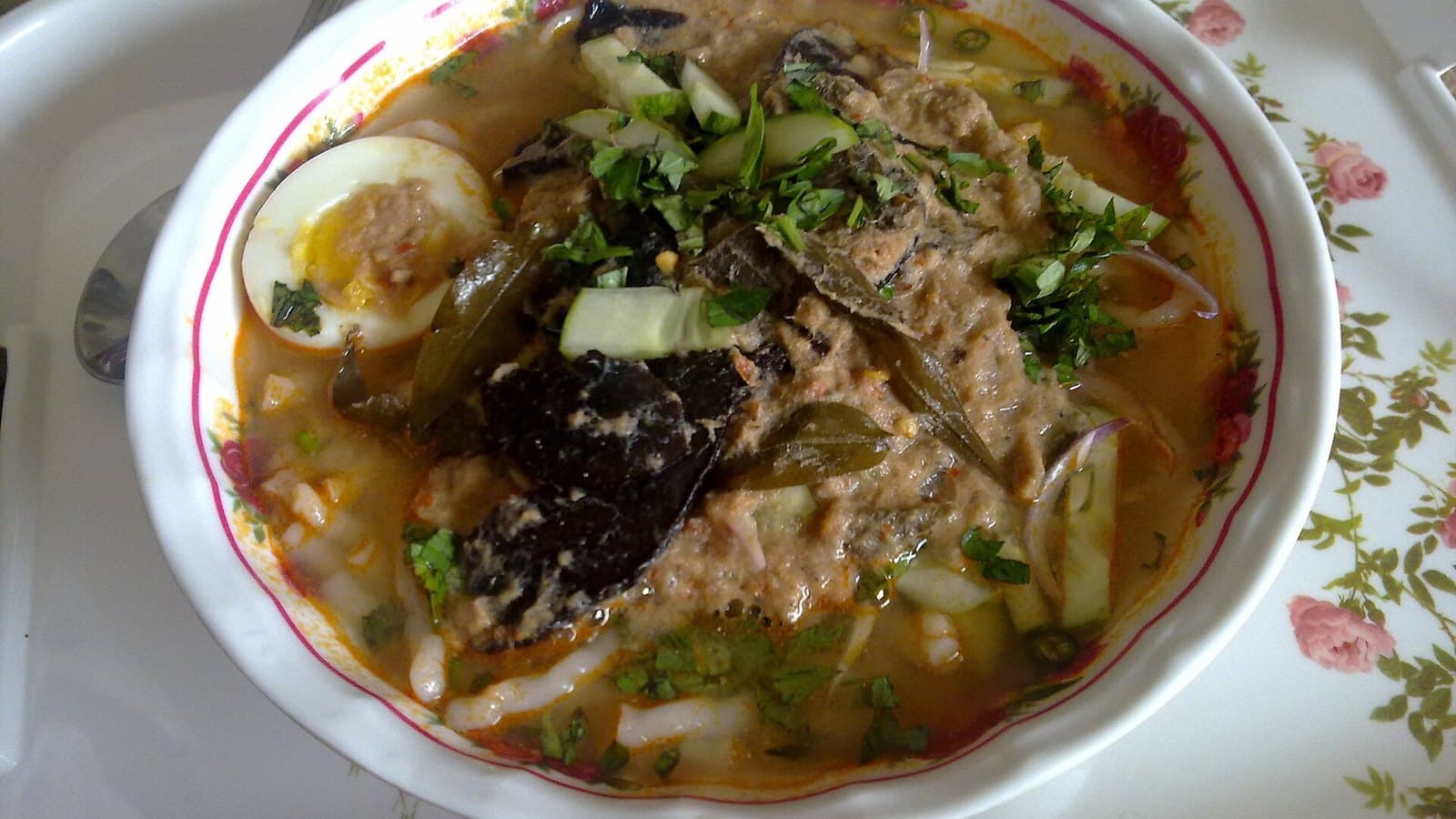
Ask a Kedah local and they'll tell you their laksa isn't Penang's asam laksa. The differences are specific. In laksa Kedah the fish is pounded smooth into the gravy instead of being left in flakes, so the broth is thicker and smoother. It is also browner and less red, because the heat comes from dried chillies rather than fresh red ones, and the sourness comes from dried asam keping slices rather than tamarind juice. Both use thick rice noodles and a pile of sliced herbs and vegetables. Alor Setar's outskirts, particularly the Teluk Kechai area near Kuala Kedah jetty, have built a small laksa-village reputation around this exact style, while asam-laksa specialists inside town serve the more familiar tangy, fish-flake-topped bowl. Both belong on a Kedah food trail — they're just not interchangeable.
Beyond Laksa: Nasi Lemak, Kampung Rice And Ayam Golek
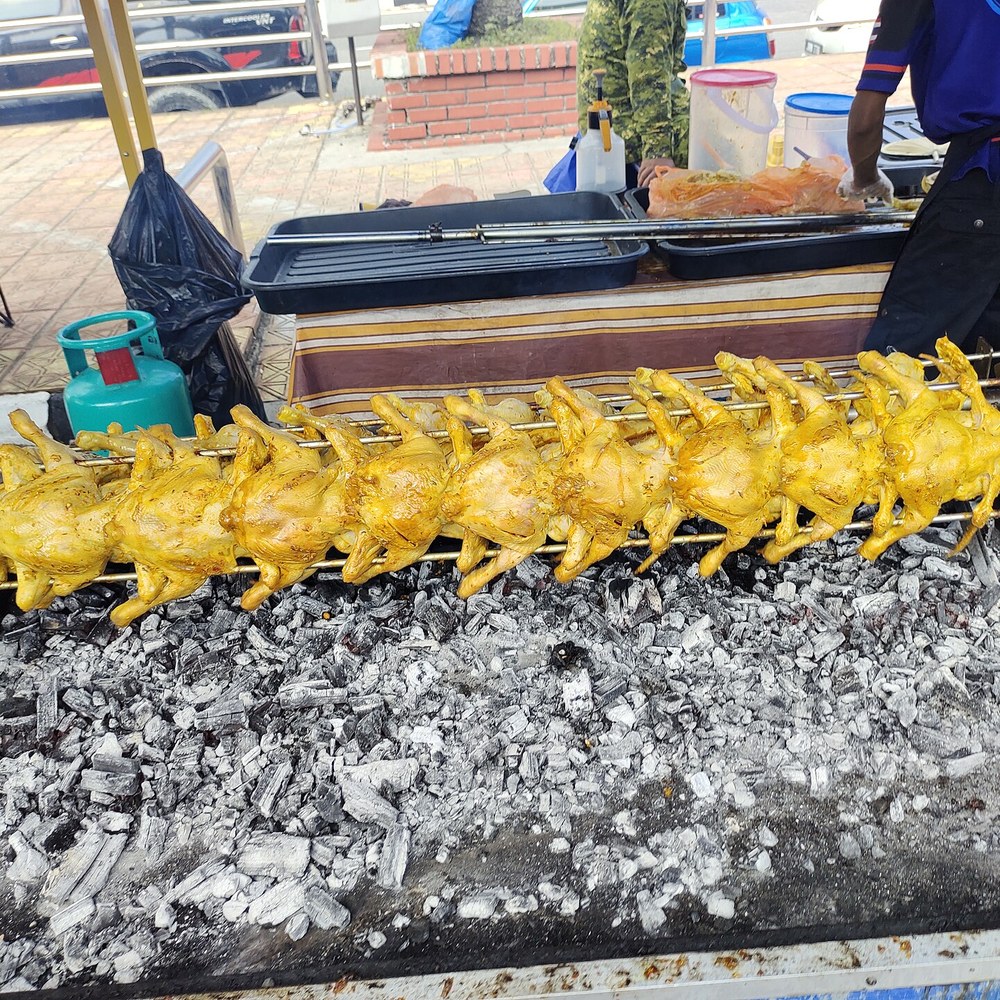
Kedah's other signature is its own take on nasi lemak — often served nasi-kandar style with a spread of curries and a runny half-boiled egg rather than the compact banana-leaf parcel found in KL or Kelantan. Alongside that sits kampung-style rice spreads built around ulam-ulam (fresh herbs and vegetables eaten raw with sambal), sup tulang, and gulai kawah cooked in enormous woks — food that's closer to home cooking than restaurant plating. Ayam golek, whole chickens basted and slow-turned over charcoal, is another mainland Kedah staple sold from roadside stalls and takeaway counters across Alor Setar.
Border Flavours: Where Kedah Meets Thailand
Drive roughly 45 minutes north of Alor Setar to Bukit Kayu Hitam, the main road border crossing into Thailand, and the menu shifts again. Chinese-Muslim-run restaurants here blend Thai seafood tom yam, Thai-style fried rice and charcoal-grilled meats with halal-certified operations, feeding both cross-border traders and Malaysians making a day trip up for cheaper shopping and food on the Thai side.
Getting Around Alor Setar For A Food Trail
Alor Setar's food spots are spread across the town centre, the Kuala Kedah road toward the jetty, and the Bukit Kayu Hitam highway further north — a rental car or Grab is the practical way to link them in a day, since public transport between these pockets is limited. Most of these places are cash-first, open for breakfast through early afternoon, and popular enough with locals that queues build fast on weekends and around Malay school holidays.
Opening Hours And Rest Days: Pick The Right Day
Most visitors get this wrong. Each place shuts on a different day of the week, and the hours are narrower than you'd expect. These are the Google Maps business hours as of September 2026:
- Nasi Lemak Ong (Jalan Lumpur): opens 9.30am and is a morning-and-lunch shop. Closed Wednesday.
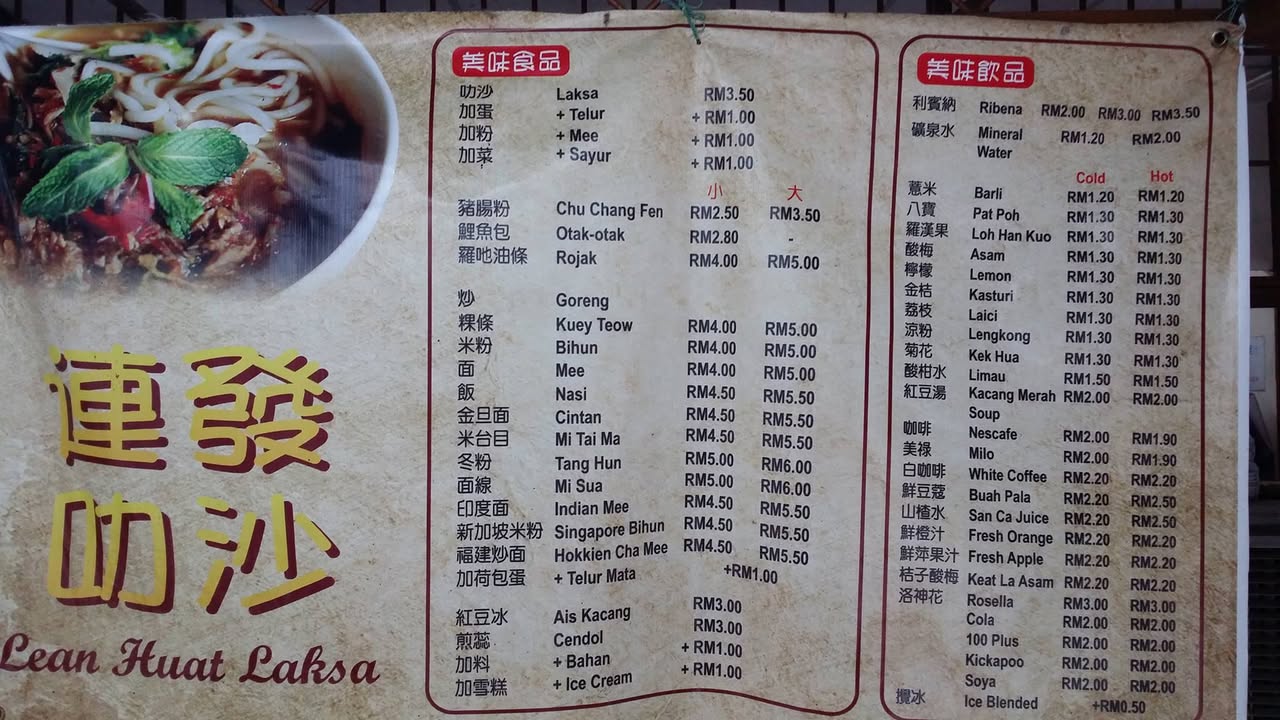
- Lean Huat Laksa (Lorong Shariff): 11am–6pm. Closed Monday.
- Hanafee Ayam Golek (Kampung Batin, Mergong): 11am–3pm daily.
- Nasi Lemak Haji Ali (Jalan Seberang Perak): 11.30am–9.30pm. Friday is 3pm–11pm.
- Zakaria Laksa Teluk Kechai (Kuala Kedah road): 12pm–6pm. Closed Friday.
- Kin Kin (Bukit Kayu Hitam): 4pm–10.30pm. Closed Wednesday.
Tuesday, Thursday, Saturday and Sunday are the only days all six are open. On a Friday you lose Zakaria entirely, and Haji Ali doesn't open until 3pm. On a Wednesday you lose both Nasi Lemak Ong and Kin Kin. The listed closing times are also an upper limit. The laksa and ayam golek stalls cook in batches, so they can finish early once the day's pot or the last chicken is sold.
That leaves two real dinner options. Nasi Lemak Haji Ali in town serves until 9.30pm. Kin Kin at the border opens at 4pm but is about a 45-minute drive north. A realistic day looks like this: a rice plate at Nasi Lemak Ong in the morning, laksa at lunch, ayam golek to take away before 3pm, then dinner at Haji Ali or a drive north to Kin Kin.
What A Meal Actually Costs
Kedah is cheap even by Malaysian standards. A bowl of asam laksa or laksa lemak at Lean Huat costs about RM6, but the portions are small enough that regulars order a second dish. The nasi kandar-style plates are where the bill moves: at Nasi Lemak Ong, a plate loaded with two sotong, an egg and a whole chicken leg was recently reported at about RM18, while a simpler rice-and-curry plate lands well below that. Ayam golek is sold whole or by the portion, so it scales with how many people you're feeding. Two people eating across a full day — rice plate, laksa, dessert and a shared chicken — will comfortably stay under RM100 in total.
Bring cash. These are stalls and family shops, not mall tenants, and card acceptance is inconsistent.
How To Pick, In One Line
If you only have one meal in Alor Setar, make it Nasi Lemak Haji Ali. It is the best-rated place in town (4.2 stars from about 1,450 Google reviews), it gives you the fullest version of the Kedah nasi lemak/nasi kandar hybrid, and it is the only one of the six that serves into the evening in town. If you specifically came for laksa, drive out to Zakaria at Teluk Kechai for the Kedah-style fish broth rather than eating asam laksa in town, since the tangy Penang-style bowl is easier to find elsewhere. If your group can't agree on one dish, go to Zakaria for laksa plus satay, or Lean Huat for laksa plus cendol, rojak and otak-otak. If you're driving to or from the Thai border, go in the evening and eat at Kin Kin, but not on a Wednesday.
Related reads
- Best Cafes & Coffee Spots in Alor Setar
- Family-Friendly Things to Do in Alor Setar
- Best Food Spots in Langkawi
*Image: a bowl of Kedah-style laksa — Jue Asna (Wikimedia Commons, CC BY 2.0)*